

How to Rebuild Your Gut After Antibiotics
Quick answer: To rebuild your gut after antibiotics, finish the full course your doctor prescribed, then eat a wide variety of fiber-rich plant foods (prebiotics), add fermented foods if you tolerate them, drink enough water, and increase fiber slowly. For most healthy people the gut bacteria recover largely on their own over weeks to months, and a varied diet supports that process. Probiotic supplements may help prevent antibiotic-related diarrhea for some people, but ask your doctor first.
Antibiotics are lifesaving medicines. They work by killing bacteria or stopping them from growing. The trouble is that they can’t tell the difference between the bacteria causing your infection and the helpful bacteria living in your gut. That’s why many people notice bloating, loose stools or an upset stomach during or after a course.
This guide explains what happens to your gut, which foods help, a simple two-week eating plan that also works on AIP, and when to call your doctor.
What antibiotics do to your gut
Your large intestine is home to trillions of microbes, often called the gut microbiome. They help break down fiber, make some vitamins, and train the immune system.
A course of antibiotics can reduce the number and variety of these microbes for a while. Research shows the microbiome usually bounces back in healthy adults, although some species may take longer and recovery varies from person to person.
The most common side effect is diarrhea. According to MedlinePlus, antibiotics can cause side effects like diarrhea and upset stomach, and they should only be used for bacterial infections.
Step 1: Finish your antibiotics as prescribed
Don’t stop early because you feel better, and don’t try to “protect” your gut by skipping doses. Stopping early can let the infection come back. Diet work starts alongside and after the course.
Step 2: Feed your gut bacteria with prebiotic fiber
Prebiotics are types of fiber that your own body can’t digest but your gut bacteria can. When bacteria ferment this fiber, they produce short-chain fatty acids that help nourish the cells of the colon.
The simplest rule: eat a wide variety of plants. Different microbes like different fibers.
| Prebiotic food | Main fiber type | Easy way to eat it | AIP? |
|---|---|---|---|
| Tiger nuts | Insoluble fiber, resistant starch | Whole, as flour, or as granola | Yes |
| Green bananas, cooled cooked potatoes | Resistant starch | Smoothies, potato salad | Banana yes; white potato no (nightshade) |
| Onions, garlic, leeks | Inulin, FOS | Soups, stir-fries | Yes |
| Asparagus | Inulin | Roasted | Yes |
| Apples | Pectin | Whole or baked | Yes |
| Jerusalem artichoke | Inulin | Roasted | Yes |
| Oats, barley | Beta-glucan | Porridge | No (grains) |
| Beans and lentils | Mixed fiber | Stews | No (legumes) |
Tiger nuts are one of the most fiber-dense AIP-friendly foods. A 1-ounce serving of Paleo Tiger whole tiger nuts gives about 10 grams of fiber. Learn more in our guide to tiger nuts as a prebiotic and to resistant starch.
Step 3: Add fermented foods if you tolerate them
Fermented foods contain live microbes. A 2021 Stanford study in *Cell* (Wastyk et al., DOI 10.1016/j.cell.2021.06.019) found that healthy adults who ate more fermented foods for 10 weeks had a more diverse microbiome and lower levels of several inflammation markers. The study was small and did not look at people recovering from antibiotics, but it supports adding fermented foods to a varied diet. Options include:
- Sauerkraut and kimchi (check AIP versions without chili for the elimination phase)
- Coconut yogurt and coconut kefir with live cultures
- Kombucha (watch the sugar)
- Water kefir
Start with a spoonful a day. Too much at once can cause gas.
Step 4: Increase fiber slowly
If your gut is upset after antibiotics, a sudden jump in fiber can make bloating worse. Add one new fiber food every few days and drink plenty of water. If you’re new to tiger nuts, start with a tablespoon of tiger nut flour or a small handful of tiger nut granola, and build up from there.
Step 5: What about probiotic supplements?
The research is mixed. According to the NCCIH, some probiotics may help prevent diarrhea linked to antibiotics, but results depend on the strain, and probiotics may not be safe for people with weakened immune systems or serious illness. Some studies also suggest probiotics may slow the return of a person’s own gut bacteria. Talk to your doctor or pharmacist before starting one, especially if you’re on AIP or have an autoimmune condition.
Foods to limit while your gut recovers
- Added sugar and highly processed snacks. They offer little fiber for your gut bacteria.
- Alcohol. It can irritate the gut and interacts with some antibiotics.
- Large greasy meals. These are often harder to tolerate when your stomach is upset.
A 2-week AIP-friendly gut recovery plan
This plan is a template. Adjust portions to your appetite.
Days 1–3: gentle
- Breakfast: banana and coconut yogurt
- Lunch: chicken and vegetable soup with carrots, zucchini and onion
- Snack: applesauce with a spoon of Original Tiger Nut Butter
- Dinner: baked salmon, mashed sweet potato, steamed green beans
Days 4–7: add variety
- Breakfast: tiger nut flour pancakes with berries
- Lunch: big salad with roasted beets, avocado, olive oil and lemon, plus grilled chicken
- Snack: a small handful of whole tiger nuts and an apple
- Dinner: beef stir-fry with asparagus, leeks and coconut aminos
- Add 1 tbsp sauerkraut daily
Days 8–14: build fiber
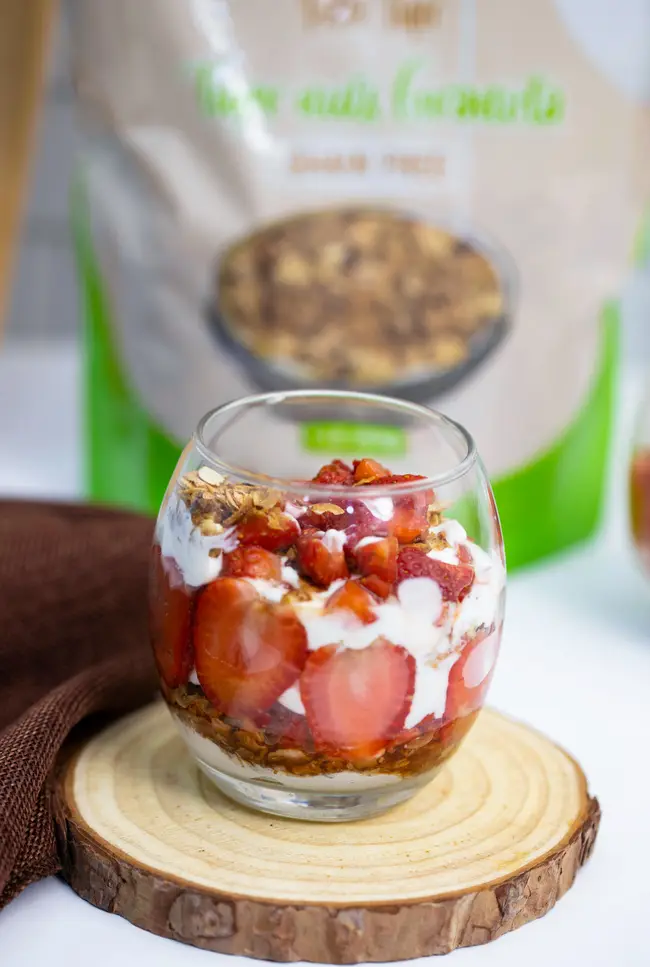
- Breakfast: coconut yogurt with tiger nut granola and kiwi
- Lunch: leftover stir-fry or turkey lettuce wraps
- Snack: green banana smoothie with tiger nut butter
- Dinner: roast chicken, roasted onions, garlic, carrots and Jerusalem artichoke
- Aim for 20 to 30 different plants over the week
Other habits that support your gut
- Sleep. Aim for 7 to 9 hours.
- Movement. Daily walking supports regular digestion.
- Water. Fiber works best with enough fluid.
- Stress. Gentle breathing, time outside and rest all help digestion.
When to call your doctor
Mild loose stools are common. Call your doctor if you have:
- Watery diarrhea three or more times a day for more than two days
- Blood or pus in your stool
- Fever or severe belly cramps
These can be signs of *C. difficile* infection, a serious complication of antibiotics that needs medical treatment. The CDC’s C. diff page explains the warning signs.
FAQ
How long does it take to rebuild your gut after antibiotics?
For most healthy adults, gut bacteria recover largely within weeks to a few months. Recovery varies, and a varied, fiber-rich diet supports it.
What should I eat after antibiotics?
Eat a wide range of plants, such as vegetables, fruit, tubers like tiger nuts and sweet potatoes, onions, garlic and asparagus, plus fermented foods if you tolerate them.
Should I take a probiotic after antibiotics?
Some strains may help prevent antibiotic-related diarrhea, but results vary and they’re not right for everyone. Ask your doctor or pharmacist.
Are tiger nuts good after antibiotics?
Tiger nuts are high in fiber and resistant starch, which feed gut bacteria. Start with a small amount and increase slowly to avoid bloating.
Can I eat yogurt while taking antibiotics?
Usually yes, but some antibiotics interact with calcium. Ask your pharmacist about timing.
What should I avoid after antibiotics?
Limit added sugar, highly processed foods and alcohol, and avoid a sudden large jump in fiber.
Is diarrhea after antibiotics normal?
Mild loose stools are common. Frequent watery diarrhea, blood, fever or severe cramps need a doctor right away.