
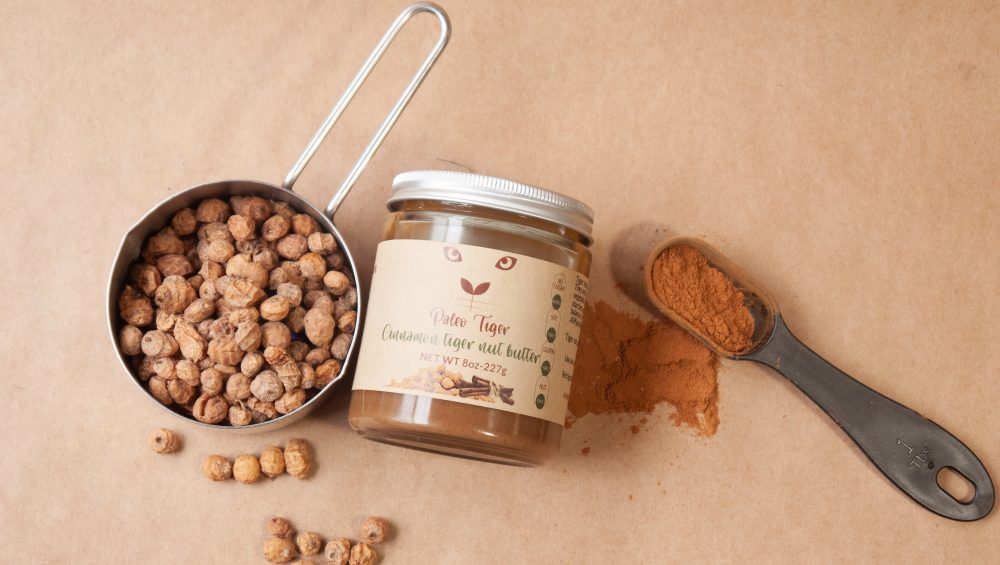
For anyone following the Autoimmune Protocol (AIP) diet, finding substitutes for common foods can be challenging. Nut butter, a beloved pantry staple for many, is off-limits due to its potential to cause inflammation and trigger autoimmune reactions. But fear not—there’s a delicious, nutrient-packed alternative: tiger nut butter.
In this article, we’ll explore why tiger nut butter is the perfect AIP-friendly alternative to traditional nut butter, discuss its health benefits, and give you some ideas for how to use it in your AIP diet.
Why Are Nut Butters Off-Limits on AIP?
The AIP diet eliminates many common allergens and inflammatory foods, including nuts and seeds. While these foods are nutritious, they can be problematic for individuals with autoimmune conditions. Nuts and seeds contain compounds such as phytic acid and lectins, which can irritate the gut lining and promote inflammation—two things the AIP diet is designed to avoid.
For those who love spreading almond butter on toast or snacking on peanut butter, finding a compliant alternative is crucial. This is where tiger nut butter comes in!
What Is Tiger Nut Butter?
Tiger nut butter is made from tiger nuts, a small, nutrient-rich tuber that grows underground. Despite the name, tiger nuts are not actually nuts—they are starchy root vegetables that have been used for centuries in African, Spanish, and Middle Eastern cuisines.
Tiger nut butter offers a similar creamy texture to traditional nut butter, with a naturally sweet, nutty flavor that makes it an ideal replacement. It’s a true game-changer for those following an AIP diet.
Benefits of Tiger Nut Butter for AIP
Tiger nut butter is not only AIP-compliant but it’s also packed with health benefits, making it a standout alternative. Here’s why it could be the best nut butter substitute for you:
- Gut-Friendly
Tiger nuts are rich in resistant starch, a prebiotic fiber that feeds the beneficial bacteria in your gut. This makes tiger nut butter an excellent choice for promoting gut health, which is a key focus of the AIP diet. Improving gut flora helps reduce inflammation, enhance digestion, and support a healthy immune system. - Anti-Inflammatory
Unlike traditional nut butter, this butter is naturally free from compounds that can cause inflammation, such as phytic acid and lectins. By avoiding these potential irritants, tiger nut butter helps keep your immune system balanced and inflammation levels in check. - Rich in Healthy Fats
This butter is a good source of monounsaturated fats, similar to the kind found in olive oil. These healthy fats are anti-inflammatory and support heart health, making this butter a beneficial fat source on the AIP diet. - Naturally Sweet
Tiger nut butter has a slightly sweet, earthy flavor, which means you can use it without needing to add sugar or sweeteners. This natural sweetness can be a huge bonus for anyone trying to avoid refined sugars while still enjoying a sweet treat. - Nutrient-Dense
Tiger nuts are packed with vitamins and minerals, including magnesium, potassium, and iron. These nutrients support a range of bodily functions, from maintaining healthy bones to boosting energy levels and muscle function.
How to Use Tiger Nut Butter on the AIP Diet
Tiger nut butter is incredibly versatile and can be used in a variety of ways on the AIP diet. Here are some easy and delicious ideas:
- As a Spread
Use this butter just like you would any other nut butter. Spread it on AIP-compliant bread, toast, or fruit slices for a satisfying snack. Try spreading it on apple slices or bananas for a naturally sweet, nutritious treat. - In Smoothies
Add a spoonful of this butter to your morning smoothie for a boost of flavor and creamy texture. It pairs especially well with fruits like bananas, berries, and coconut milk, creating a filling and nutrient-packed breakfast. - In Baking
Tiger nut butter can be used in AIP-friendly baked goods to add richness and flavor. Try incorporating it into AIP pancakes, cookies, or muffins. It acts as a binder and adds moisture to recipes, similar to traditional nut butter. - In Sauces and Dressings
For savory dishes, you can mix this butter into sauces or dressings. It works well as a base for creamy sauces that are perfect for drizzling over roasted vegetables, grilled meats, or salads. - As a Snack
Simply eat a spoonful of tiger nut butter on its own when you need a quick, energy-boosting snack. Its high fiber content will keep you feeling full and satisfied between meals.
How Tiger Nut Butter Compares to Other AIP-Friendly Alternatives
While tiger nut butter is one of the best options, there are other AIP-friendly alternatives to traditional nut butter. Let’s compare them:
- Coconut Butter
Taste: Mild coconut flavor, rich and creamy.
Nutrients: High in healthy fats (MCTs) and fiber.
Best Uses: Spread on fruit, added to smoothies, or used in AIP baking.
Downsides: Strong coconut flavor may not appeal to everyone, and it solidifies at room temperature. - Pumpkin Seed Butter (for reintroductions)
Taste: Earthy and slightly nutty.
Nutrients: Rich in zinc, magnesium, and healthy fats.
Best Uses: Spread on toast or fruit, added to AIP-friendly snacks.
Downsides: Seeds are typically eliminated in the elimination phase of AIP and can be reintroduced later. - Avocado
Taste: Creamy with a mild, slightly sweet flavor.
Nutrients: High in monounsaturated fats, fiber, and potassium.
Best Uses: Smashed or blended into sauces, dressings, or dips.
Downsides: Not as rich in protein or fiber as tiger nut butter.
So, Is Tiger Nut Butter the Best?
While other AIP-friendly alternatives like coconut butter and avocado have their merits, tiger nut butter stands out as the closest match to traditional nut butter in terms of flavor, texture, and versatility. Its nutrient density, gut-friendly properties, and naturally sweet taste make it a top choice for those following the AIP diet.
If you’re looking for an AIP-compliant alternative to almond, peanut, or cashew butter, tiger nut butter is a fantastic option that offers a similar taste and feel—without the risk of inflammation or gut irritation. Try incorporating it into your daily routine, and enjoy the satisfying, healthy, and flavorful benefits it brings to your AIP lifestyle!