
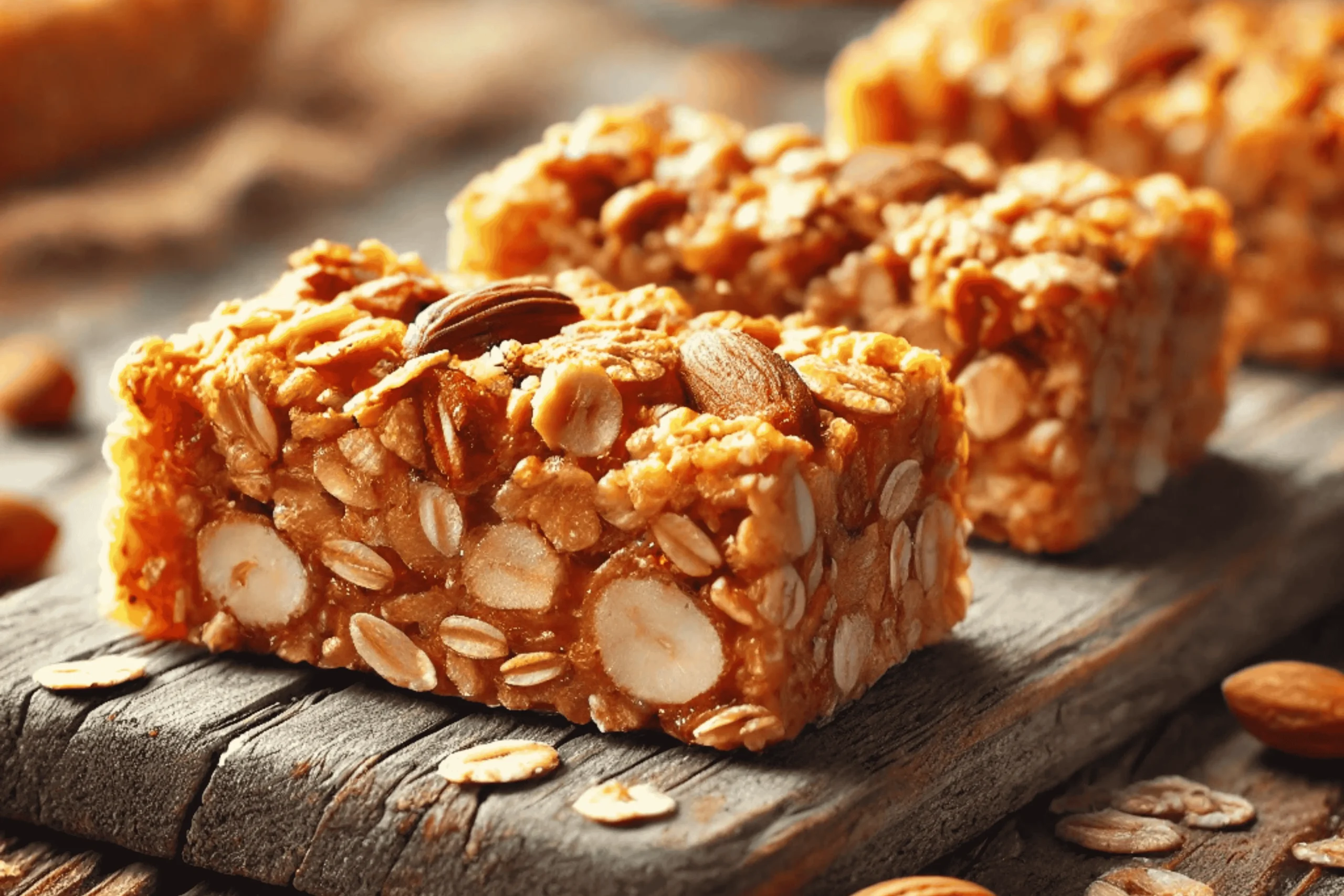
Granola bars are a popular snack known for their convenience, nutrition, and versatility. With the growing demand for high-protein, plant-based snacks, food manufacturers and home bakers alike are exploring various protein sources. One such ingredient gaining traction is textured soy protein. But does textured soy protein work in granola bars? Let’s explore the benefits, functionality, and considerations when using textured soy protein in granola bars.
What is Textured Soy Protein?
Textured soy protein (TSP), also known as textured vegetable protein (TVP), is a soy-derived product that is processed to have a meat-like texture. It is made from defatted soy flour, which is then heated and extruded to form a fibrous, spongy texture. TSP is commonly used as a meat substitute in vegetarian and vegan recipes, but it also has potential applications in snack foods like granola bars.
Benefits of Using Textured Soy Protein in Granola Bars
1. High Protein Content
One of the main advantages of using textured soy protein in granola bars is its high protein content. Since protein is a crucial macronutrient for muscle repair, satiety, and overall health, incorporating TSP can enhance the nutritional value of granola bars.
2. Texture Enhancement
Textured soy protein can add a unique chewiness and slight crunch to granola bars. Depending on the granulation size, TSP can contribute to a satisfying bite, making the bars more enjoyable.
3. Plant-Based and Allergen Considerations
For those seeking plant-based protein sources, TSP is an excellent choice. It is free from dairy and animal products, making it suitable for vegetarians and vegans. However, individuals with soy allergies should avoid it.
4. Cost-Effective Protein Source
Compared to other plant-based proteins like pea protein or almond protein, textured soy protein is generally more affordable. This makes it an economical choice for manufacturers and home cooks looking to increase protein content without significantly raising costs.
How to Use Textured Soy Protein in Granola Bars
1. Choose the Right Form
Textured soy protein comes in various sizes, from small granules to larger chunks. For granola bars, smaller granules or flakes are preferable as they blend well with oats, nuts, and other ingredients.
2. Hydration Considerations
Unlike other protein sources, TSP needs to be hydrated before use in most recipes. However, for granola bars, minimal hydration is required to prevent excessive moisture, which can affect texture and shelf stability.
3. Binding with Other Ingredients
Since TSP is naturally dry, combining it with binding agents like honey, maple syrup, or nut butter ensures that it adheres well to other ingredients, preventing crumbling.
4. Balancing Flavor
Textured soy protein has a neutral to slightly nutty flavor. To enhance taste, consider adding natural sweeteners, spices, or vanilla extract.
Potential Challenges of Using Textured Soy Protein in Granola Bars
1. Texture Variability
Depending on the amount and form of TSP used, granola bars may become too dry or crumbly. Experimenting with different ratios and binding agents can help achieve the desired consistency.
2. Flavor Absorption
TSP readily absorbs flavors from other ingredients. While this can be a benefit, it can also overpower delicate flavors if not balanced properly.
3. Soy Allergies and Sensitivities
Soy is a common allergen, and some consumers may prefer soy-free alternatives. If catering to a broad audience, it may be beneficial to offer alternative protein sources alongside TSP-based granola bars.
Conclusion: Does Textured Soy Protein Work in Granola Bars?
Yes, textured soy protein works well in granola bars when used correctly. It enhances protein content, adds texture, and provides a cost-effective plant-based protein option. However, proper formulation is key to achieving the right balance of moisture, binding, and flavor. By understanding how to use TSP effectively, you can create nutritious and delicious granola bars that appeal to health-conscious consumers.
Are you considering using textured soy protein in your granola bars? Experiment with different formulations to find the perfect blend for your recipe! But the best TIger Nuts Granola.
Frequently Asked Questions (FAQs)
1. Can textured soy protein replace other protein sources in granola bars?
Yes, TSP can replace other protein sources like whey protein, pea protein, or nuts. However, it is important to adjust the recipe for texture and binding consistency.
2. Do I need to cook textured soy protein before using it in granola bars?
No, TSP does not need to be cooked before use in granola bars. However, slight hydration may be necessary to achieve the best texture.
3. Will textured soy protein affect the taste of granola bars?
TSP has a neutral to slightly nutty taste, which can blend well with other ingredients. Adding sweeteners, spices, or flavor extracts can further enhance the taste.
4. Is textured soy protein gluten-free?
Yes, textured soy protein is naturally gluten-free. However, it is important to check for cross-contamination if gluten is a concern.
5. Can I use textured soy protein in homemade granola bars?
Absolutely! TSP can be a great addition to homemade granola bars, providing extra protein and texture without compromising flavor.