
The Impact of the Paleo Diet on Gut Health
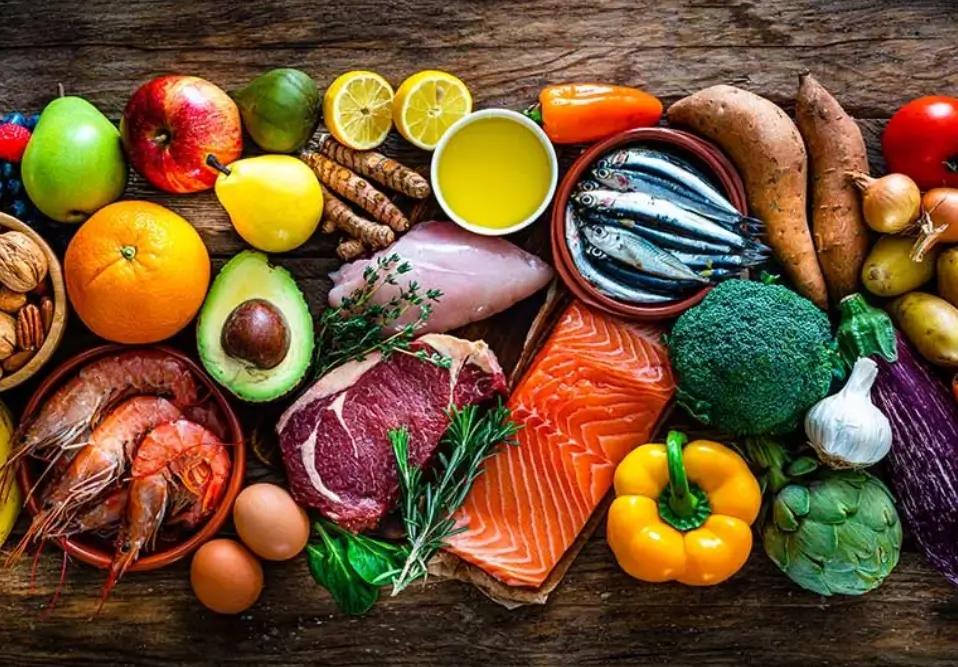
The Paleo diet, often referred to as the “caveman diet,” aims to emulate the eating patterns of our pre-agricultural ancestors. With its focus on whole foods like meat, fish, vegetables, fruits, nuts, and seeds—and avoidance of grains, dairy, and processed products—it’s become a popular lifestyle choice. But how does this way of eating impact one of the body’s most essential systems: the gut?
In this article, we’ll explore the connection between the Paleo diet and gut health, highlighting how it affects the microbiome, digestion, and long-term gastrointestinal wellness.
What Is the Gut Microbiome and Why It Matters
The gut microbiome refers to the trillions of bacteria, fungi, and microbes living in your digestive tract. These microorganisms play a crucial role in:
- Breaking down food
- Synthesizing vitamins
- Regulating immune function
- Protecting against harmful pathogens
An imbalanced microbiome has been linked to conditions like IBS, leaky gut, autoimmune diseases, and even mental health disorders. Diet is one of the most powerful factors shaping your gut microbiome.
What Does the Paleo Diet Include (and Exclude)?
Paleo-Friendly Foods:
- Grass-fed meats & wild-caught fish
- Vegetables and fruits
- Nuts and seeds
- Healthy fats (avocado, olive oil, coconut oil)
- Herbs and spices
Foods Avoided:
- Grains (wheat, rice, oats)
- Dairy products
- Legumes (beans, lentils, peanuts)
- Refined sugar and processed foods
- Industrial seed oils (canola, soybean)
This “back-to-basics” approach eliminates many modern-day allergens and inflammatory agents—but it can also affect your gut flora in both positive and negative ways.
Positive Effects of the Paleo Diet on Gut Health
1. Reduction in Gut Inflammation
By removing processed foods, sugar, gluten, and dairy—common culprits behind chronic inflammation—the Paleo diet can soothe irritated gut lining and reduce symptoms of bloating, gas, and abdominal pain.
2. Elimination of Irritants and Allergens
For people with food sensitivities or autoimmune conditions, the Paleo diet offers relief by cutting out potential triggers such as gluten and lactose.
3. Improved Gut Lining Integrity
The nutrient-dense nature of Paleo foods, especially those rich in zinc, omega-3s, collagen, and antioxidants, supports the healing of the intestinal barrier. This may help with leaky gut syndrome and improved nutrient absorption.
4. Support for a Balanced Microbiome (In Certain Cases)
High fiber from non-starchy vegetables and certain fruits can feed beneficial gut bacteria. The reduction in sugar also reduces food for harmful bacteria and yeast (like Candida).
Potential Downsides to Paleo for Gut Health
1. Reduced Prebiotic Fiber
Prebiotics like inulin, resistant starch, and beta-glucans are primarily found in grains, legumes, and some dairy—foods excluded in a strict Paleo diet. These prebiotics feed beneficial gut bacteria, and their absence may lower bacterial diversity over time.
2. Lower Gut Microbiota Diversity
Studies have shown that diets low in complex carbohydrates can lead to reduced microbiota diversity, which may compromise immune function and gut resilience.
3. Risk of Constipation
The removal of whole grains and legumes (fiber-rich foods) can sometimes reduce total dietary fiber, leading to sluggish digestion if not compensated by plenty of vegetables and fruits.
4. Overemphasis on Meat
A heavily meat-centric Paleo diet may increase levels of bile-tolerant bacteria, which could lead to gut inflammation if not balanced with sufficient plant intake.
Scientific Research on Paleo & Gut Health
Several studies have explored the link between the Paleo diet and gut microbiota:
- A 2019 study in European Journal of Clinical Nutrition showed that people on long-term Paleo diets had lower levels of beneficial gut bacteria due to reduced intake of whole grains.
- Another study found that the diet may help reduce markers of inflammation, improving symptoms of IBS and autoimmune gut conditions.
The key takeaway? Balance and diversity are critical.
Tips to Optimize Gut Health on a Paleo Diet
- Eat a wide variety of colorful vegetables and fruits to provide fiber and polyphenols.
- Include fermented foods like sauerkraut, kimchi, or kombucha for probiotics.
- Use resistant starches from green bananas, cooked-and-cooled sweet potatoes, or cassava.
- Stay hydrated and include bone broth for gut lining support.
- Rotate your foods to avoid narrowing your microbiota diversity.
FAQs
Is the Paleo diet good for IBS?
Yes, for many individuals with IBS, removing grains, dairy, and processed food can reduce symptoms. However, it’s important to maintain fiber intake from vegetables and fruits.
Can the Paleo diet heal leaky gut?
Paleo foods rich in collagen (like bone broth) and anti-inflammatory nutrients may help restore gut lining integrity and reduce leaky gut symptoms.
Will I get enough fiber without grains and legumes?
Yes—if you consume a wide range of fibrous vegetables, fruits, nuts, and seeds. Consider adding Paleo-friendly sources like flaxseeds, chia seeds, and leafy greens.
Can the Paleo diet harm your gut?
If not properly balanced, Paleo may reduce prebiotic intake, lowering microbiota diversity. Including fermented foods and resistant starches can help avoid this.
Final Thoughts
The Paleo diet has the potential to transform gut health by eliminating modern irritants and emphasizing whole, nutrient-rich foods. However, it’s essential to be mindful of fiber diversity, microbiome support, and plant-based balance. With a well-planned approach, Paleo can be a powerful tool for improving digestive health and overall wellness.
See our other blog about the paleo diet.