
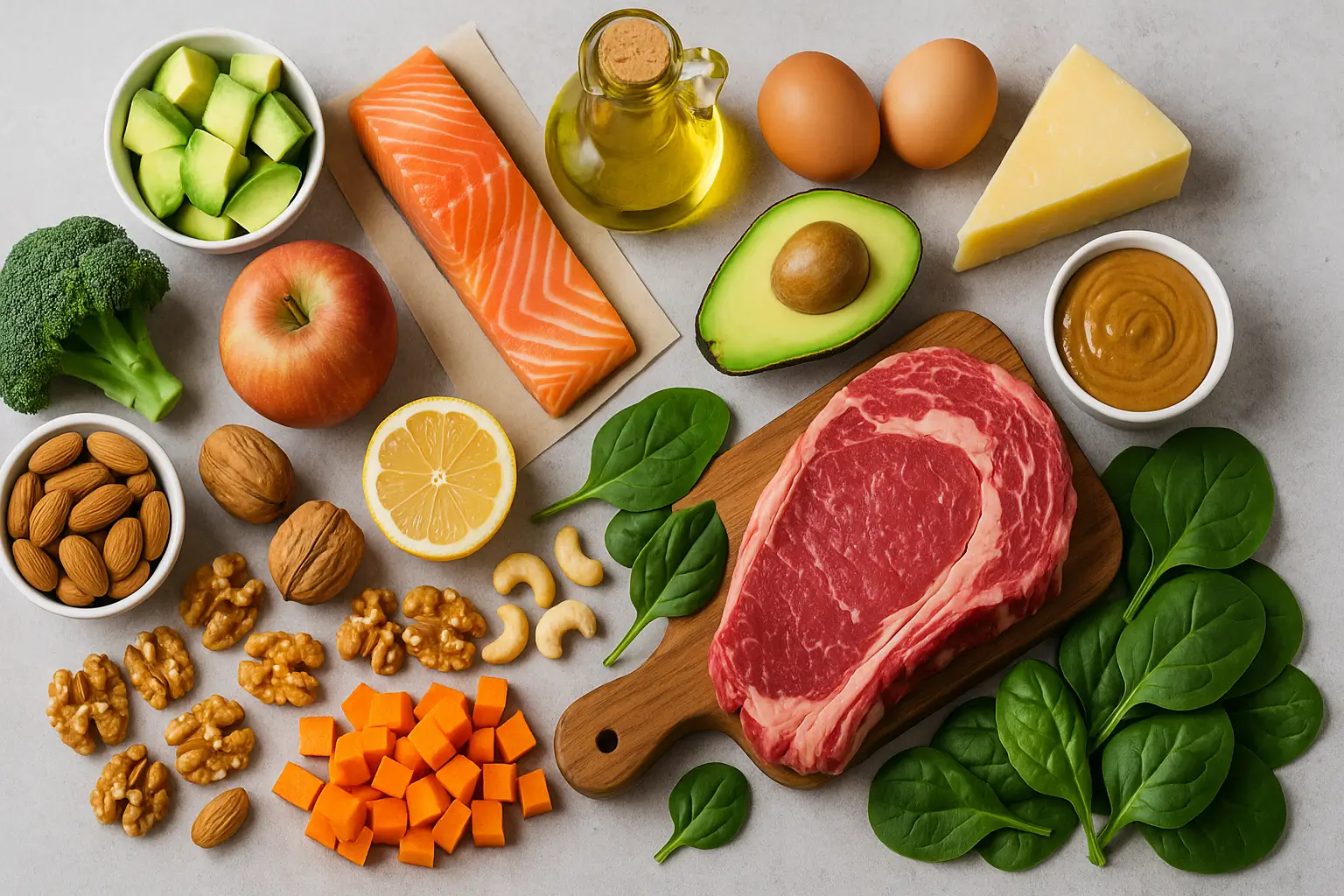
With so many health-conscious diets trending today, two of the most talked-about are the Paleo and Keto diets. Both focus on whole, nutrient-dense foods, avoid processed junk, and promise health benefits like weight loss, better energy, and mental clarity. But they’re built on different philosophies, and understanding these differences is key to choosing the right one for your lifestyle.
In this guide, we’ll break down the core principles, similarities, and differences between Paleo and Keto—and help you decide which is the better fit for your goals.
What Is the Paleo Diet?
The Paleo Diet, often called the “caveman diet,” is based on eating the way our ancestors did during the Paleolithic era—before the advent of farming and processed foods. The idea is simple: if a food didn’t exist in the hunter-gatherer period, it doesn’t belong in your diet.
Allowed on Paleo:
- Grass-fed meat and wild-caught fish
- Vegetables and fruits
- Nuts and seeds (excluding peanuts)
- Natural fats like avocado oil, olive oil, and coconut oil
- Eggs and some natural sweeteners (like honey or maple syrup)
Avoided on Paleo:
- Grains (wheat, rice, corn, etc.)
- Legumes (beans, lentils, soy)
- Dairy products (with some exceptions)
- Processed foods and refined sugar
- Refined vegetable oils (canola, soybean, etc.)
Paleo Focus:
Whole foods, anti-inflammatory ingredients, and mimicking the evolutionary diet for better digestion, energy, and overall health.
What Is the Keto Diet?
The Ketogenic Diet (or Keto) is a high-fat, moderate-protein, and very low-carbohydrate diet designed to put your body into a state called ketosis. In ketosis, your body burns fat instead of carbs for fuel.
Typical Keto Macros:
- 70–75% fat
- 20–25% protein
- 5–10% carbs
Allowed on Keto:
- Fatty meats, poultry, and fish
- Eggs and full-fat dairy
- Leafy greens and low-carb vegetables
- Nuts, seeds, and healthy fats
- Low-carb sweeteners like stevia or erythritol
Avoided on Keto:
- Sugar and high-carb fruits
- Grains and starchy vegetables (potatoes, corn)
- Most legumes
- Anything that spikes blood sugar or exceeds your daily carb limit (~20–50g net carbs)
Keto Focus:
Maintaining a low-carb intake to switch the body into fat-burning mode, leading to weight loss and enhanced mental clarity.
Key Differences Between Paleo and Keto
| Feature | Paleo | Keto |
| Main Goal | Eat like ancestors, avoid modern food | Enter and maintain ketosis |
| Carb Restriction | Moderate (fruits & starchy veggies allowed) | Strict (very low-carb, <50g/day) |
| Dairy | Mostly avoided | Full-fat dairy encouraged |
| Legumes | Avoided | Sometimes allowed if low-carb |
| Sweeteners | Natural (honey, maple syrup) | Low-carb artificial (stevia, monk fruit) |
| Philosophy | Evolutionary nutrition | Metabolic state optimization |
Similarities Between Paleo and Keto
Despite their differences, Paleo and Keto share a lot of common ground:
- Whole Foods First: Both prioritize real, unprocessed food.
- No Grains or Refined Sugar: You’ll avoid bread, pasta, and sugary treats.
- Healthy Fats Are Encouraged: Avocados, nuts, olive oil, and fatty fish are staples.
- Supports Weight Loss: Both diets reduce inflammation and improve insulin sensitivity.
Which Diet Is Right for You?
Choosing between Paleo and Keto depends on your goals, lifestyle, and personal health.
✅ Choose Paleo If:
- You prefer a more flexible diet with moderate carbs (from fruits or sweet potatoes).
- You’re focused on long-term clean eating and avoiding modern food processing.
- You want to avoid counting macros or measuring ketones.
- You have difficulty digesting dairy or legumes.
✅ Choose Keto If:
- Your goal is rapid fat loss or managing blood sugar.
- You’re okay with strict carb tracking and limiting fruits.
- You feel better with high-fat meals.
- You’re managing a condition like epilepsy or type 2 diabetes under medical guidance.
Can You Combine Paleo and Keto?
Yes! Some people follow a “Paleo-Keto” hybrid, focusing on whole, Paleo-approved foods while keeping carb intake low enough to maintain ketosis. This approach excludes dairy and artificial sweeteners while keeping carbs below ~50 grams per day. It’s more restrictive but can be powerful for fat loss and inflammation control.
Final Thoughts
Both Paleo and Keto offer a break from the processed, sugar-laden standard diet and can lead to real, noticeable health improvements. Paleo emphasizes eating like our ancestors, while Keto uses science to manipulate your metabolism. There’s no one-size-fits-all answer, but by understanding the core differences and evaluating your goals, you can choose the diet that helps you thrive. See our other blogs.
FAQs
Is dairy allowed on Paleo or Keto?
- Paleo: Mostly no—except for ghee or occasional raw dairy.
- Keto: Yes—especially full-fat dairy like cheese, cream, and butter.
Can I eat fruit on Keto?
- Most fruits are too high in sugar for Keto, except for small amounts of berries.
Which diet is better for weight loss?
- Both can support weight loss, but Keto typically delivers faster results due to ketosis. Paleo may be easier to sustain long term.
Do I need to count calories on Paleo or Keto?
- Paleo: Usually not, focus is on food quality.
- Keto: It can help to track macros—especially carbs—to stay in ketosis.
Is Keto or Paleo better for athletes?
Paleo may be more supportive of performance due to its allowance of healthy carbs from fruits and root vegetables.