
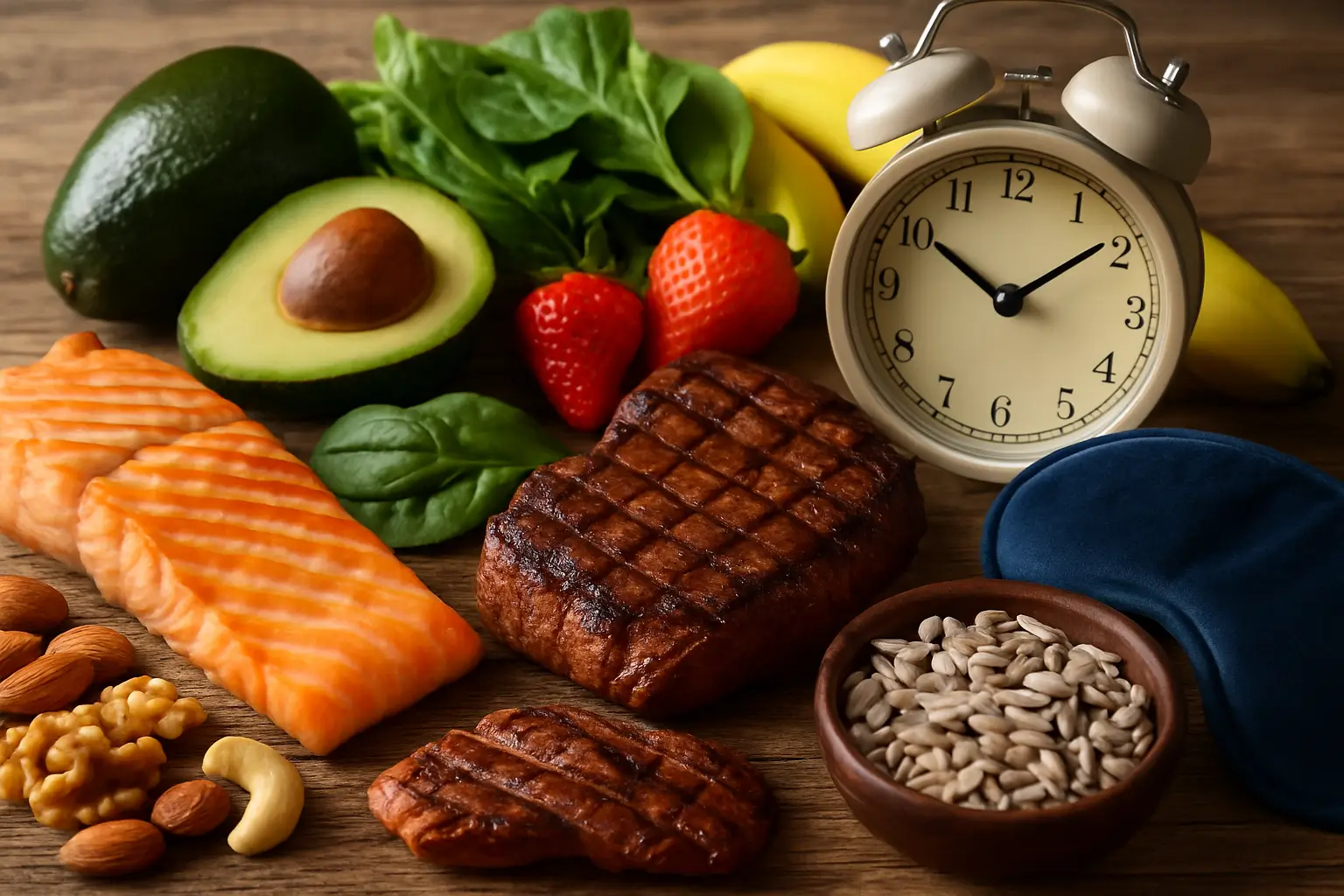
In today’s fast-paced world, quality sleep and consistent energy levels are more valuable than ever. Many people struggle with fatigue, brain fog, and restless nights. While sleep aids and energy drinks offer short-term fixes, lasting improvements often start with what’s on your plate. The Paleo diet, rooted in whole, unprocessed foods, can be a powerful tool to help you sleep better and feel more energized naturally.
What Is the Paleo Diet?
The Paleo diet is inspired by the eating habits of our ancestors during the Paleolithic era. It emphasizes whole foods that could be hunted or gathered—think meat, fish, vegetables, fruits, nuts, and seeds—while avoiding processed foods, grains, dairy, legumes, and refined sugars.
Key Components of the Paleo Diet:
- Lean meats (especially grass-fed)
- Fish rich in omega-3s (like salmon)
- Fresh vegetables and fruits
- Nuts and seeds
- Healthy fats (avocado, olive oil, coconut oil)
By focusing on nutrient-dense and anti-inflammatory foods, the Paleo diet promotes overall well-being—including better sleep quality and sustained energy.
How Paleo Improves Sleep
1. Balances Blood Sugar Levels
Many people experience blood sugar crashes at night due to diets high in refined carbs and sugars. These crashes can lead to cortisol spikes—your stress hormone—waking you up in the middle of the night.
The Paleo diet is low in refined sugars and high in protein and healthy fats, which help maintain stable blood sugar levels throughout the day and night. This stability helps prevent energy dips and nighttime wake-ups.
2. Reduces Inflammation
Chronic inflammation from processed foods can disrupt sleep by affecting your brain’s ability to regulate rest and wake cycles. Paleo foods are anti-inflammatory by nature—rich in omega-3 fatty acids, antioxidants, and vitamins—which may reduce inflammation and support deeper, more restorative sleep.
3. Supports Natural Melatonin Production
Melatonin is the hormone that regulates your sleep-wake cycle. Nutrients like magnesium, vitamin B6, and tryptophan are crucial for melatonin production—and are plentiful in Paleo-friendly foods like leafy greens, bananas, turkey, and nuts.
4. Improves Gut Health
Your gut and brain are connected via the gut-brain axis. An unhealthy gut can negatively impact sleep by disrupting neurotransmitter production. The Paleo diet eliminates processed and inflammatory foods that irritate the gut lining, helping to restore a healthy microbiome—which can improve both mood and sleep.
How Paleo Boosts Energy Levels
1. No Sugar Crashes
Unlike the standard Western diet, which is heavy in refined sugars and processed carbs, the Paleo diet avoids quick-burning energy sources. Instead, it favors proteins and healthy fats that are metabolized slowly, offering a steady stream of energy throughout the day without the highs and lows.
2. Improved Nutrient Absorption
Paleo foods are naturally high in micronutrients—such as iron, B vitamins, and magnesium—that support energy metabolism. By removing foods that irritate the gut (like gluten or dairy), the body can absorb these nutrients more efficiently, leading to better cellular energy production.
3. Hormonal Balance
Chronic fatigue can be caused by hormone imbalances, particularly adrenal fatigue and thyroid dysfunction. Paleo eating supports the endocrine system by reducing stressors (like sugar and chemicals), providing healthy fats for hormone production, and stabilizing blood sugar, which supports adrenal health.
4. More Mitochondrial Support
Your mitochondria—the powerhouse of your cells—thrive on nutrient-rich foods. Paleo eating supports mitochondrial function with key nutrients like CoQ10, B vitamins, and antioxidants found in nuts, seeds, leafy greens, and quality meats.
Lifestyle Tips to Maximize Paleo’s Benefits
To get the most out of your Paleo lifestyle for sleep and energy, try integrating these habits:
- Time your carbs: Eating moderate carbs like sweet potatoes or berries in the evening can help with melatonin production and promote sleep.
- Hydrate well: Drink plenty of water throughout the day. Dehydration can sap your energy and disturb your sleep.
- Limit caffeine: Stick to morning coffee only—caffeine in the afternoon can reduce sleep quality.
- Prioritize movement: Regular exercise (not overtraining) works synergistically with Paleo eating to boost energy and promote better sleep.
Potential Transition Challenges
Some people may experience temporary low energy when switching to Paleo due to “carb withdrawal” or detox symptoms. These usually subside within a week or two. Ensure you’re eating enough calories, hydrating properly, and getting enough sleep during the transition period.
Conclusion
The Paleo diet doesn’t just help with weight loss or muscle gain—it can also transform your sleep patterns and elevate your daily energy levels. By focusing on clean, whole foods that support hormonal health, stable blood sugar, and reduced inflammation, you’ll likely notice a significant boost in how you feel both during the day and at night.
Whether you’re struggling with brain fog, waking up groggy, or relying on multiple cups of coffee to get through the day, a Paleo approach could be the reset your body needs. Read our other blog posts.
FAQs
1. Can the Paleo diet help with insomnia?
Yes, Paleo eating supports stable blood sugar, gut health, and melatonin production—all of which contribute to improved sleep and reduced insomnia.
2. How long does it take to feel more energized on Paleo?
Most people notice an improvement in energy within 1–2 weeks, though this can vary depending on your previous diet and current health.
3. Can I eat carbs on the Paleo diet?
Yes, but only unprocessed carbs like fruits, sweet potatoes, and squash. These can actually support better energy and sleep when eaten in moderation.
4. Do I need to take supplements on Paleo for better sleep or energy?
While many people meet their needs through food, some may benefit from magnesium, B12, or vitamin D supplements—especially if levels are low.
5. What are the best Paleo foods for sleep?
Turkey, almonds, spinach, bananas, and sweet potatoes are great for sleep because they support melatonin production and relaxation.