
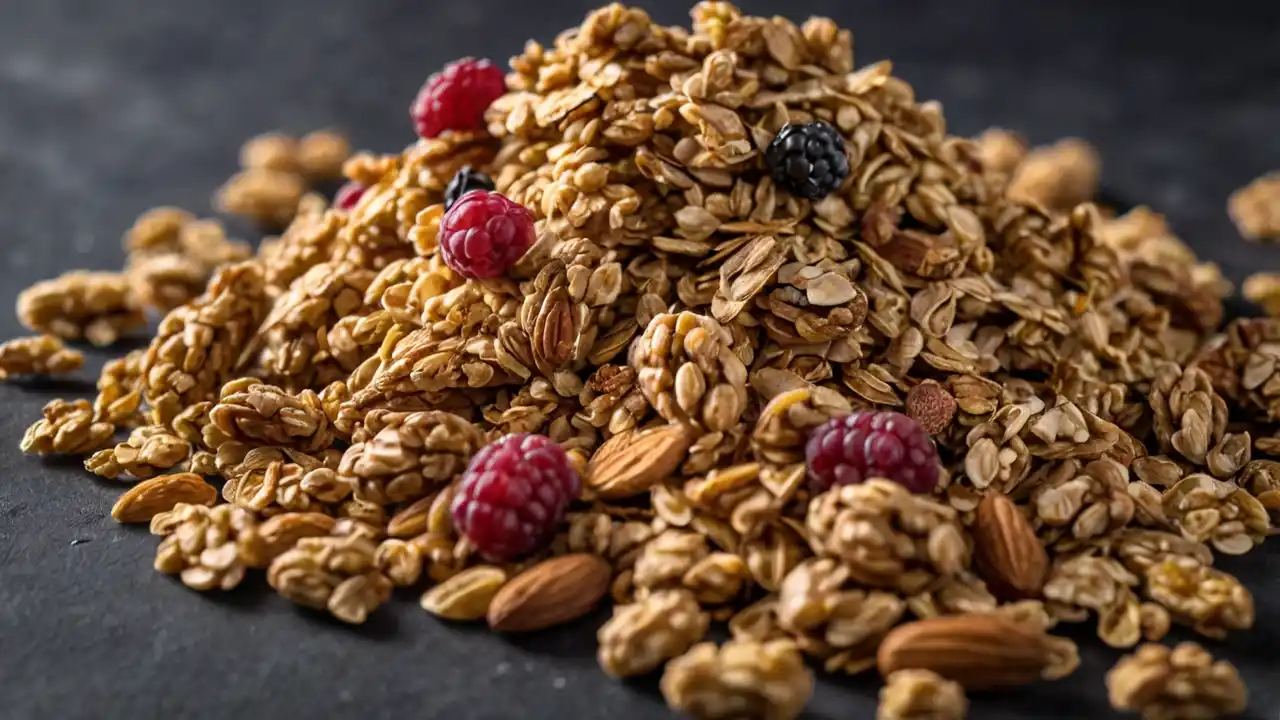
If you’re wondering “How do I start a grain-free granola business from scratch?”, the simplest path is to finalize your recipe, set up licensed production, choose long-shelf-life packaging, and calculate a profitable cost per unit. This ensures your bulk grain free granola is safe, compliant, and market-ready in small batches.
Before diving deeper, you may also want to explore our Grain-Free Granola Around the World: UK, Canada, Australia Shopping & Local Brands for broader ingredient, storage, and nutrition insights.
What is the easiest way to start a grain-free granola business?
Starting a grain-free granola business means creating a legally compliant product, choosing the right packaging, and setting up efficient production so you can sell through local stores, farmers’ markets, or online.
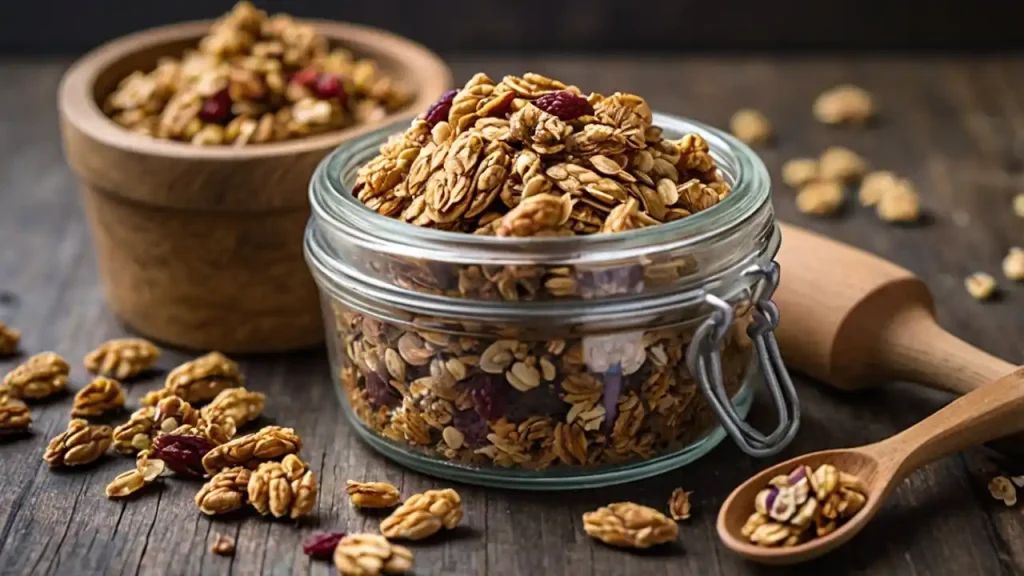
How to Start a bulk grain free granola Business?
To start a grain-free granola business, perfect your recipe, get proper food licensing, choose effective packaging, and set pricing that covers costs and profit.
Launching a grain-free granola brand is ideal for entrepreneurs who want to sell bulk grain free granola, wholesale options, or small-batch artisanal blends. This section walks you through the startup steps, from recipe testing to legal setup so your product enters the market professionally.
1. Validate Your Recipe (Including Allergen-Free & Paleo Standards)
Your granola must be grain-free, shelf-stable, and crunchy. That means choosing ingredients like tiger-nut flour, coconut flakes, nuts, seeds, cassava, and natural sweeteners (honey or maple). Conduct small sensory tests for flavor, texture, and cluster size.
Tip: Add resistant starch sources like tiger-nut for prebiotic benefits, helpful for marketing and keyword richness.
2. Run Basic Shelf-Life Tests
Shelf-life is critical because grain-free granola contains nuts and minimally processed fats. At a small-business level, use:
- Ambient storage testing (30-, 60-, 90-day checks)
- Moisture migration test (granola absorbing humidity)
- Rancidity check (oil stability)
To officially start your grain-free granola business, validate your recipe, run minimal shelf-life tests, and choose stable ingredients that maintain crunch over time.
What Labeling Is Required for Commercial bulk grain free granola?
You’ll need a nutrition label, ingredient list, allergen declaration, net weight, business address, batch code, and any claims must follow FDA or regional rules. Labeling is one of the first legal steps new brands struggle with. Grain-free granola, especially those sold as bulk grain free granola or wholesale-ready pouches, must meet FDA (US) or regional regulations.
Mandatory Label Elements (U.S.)
- Nutrition Facts Panel (use USDA/Healthline data for accuracy)
- Ingredients list in descending weight order
- Allergen statement (“Contains: Almonds”)
- Net weight in oz + grams
- Business name + address
- Batch or lot code
- Storage instructions (“Store in a cool, dry place”)
Optional But Powerful Add-Ons
- Claims like “grain-free,” “paleo-friendly,” “gluten-free” must be truthful
- Certifications (GFCO, organic, non-GMO)
- QR code linking to brand story or wholesale page
Correct granola labeling includes nutrition facts, allergen statements, weight, address, and batch coding, making your product legally compliant and retail-ready.
How to Calculate Cost Per Unit for bulk grain free granola?
Calculate cost per unit by adding ingredient costs, packaging, labor, rentals, labels, shipping, and overhead, then dividing by total units produced. Small-batch food businesses often overspend because grain-free ingredients can be premium priced, tiger-nuts, almonds, coconut, cassava, etc. A clear formula keeps your pricing competitive and profitable.
Cost Breakdown Formula
Cost per Unit = (Ingredients + Packaging + Labor + Licensing + Utilities + Fulfillment + 10–20% overhead buffer) ÷ Total Units
Typical Cost Ranges for 8–12 oz Grain-Free Granola Bag
- Ingredients: $2.20 – $3.60
- Packaging (stand-up pouch + label): $0.35 – $0.70
- Labor: $0.50 – $1.20
- Overhead: $0.30 – $0.75
- Total estimated cost: $3.35 – $6.25 per unit
Profit Margin Targets
- Retail (DTC): 55–70% margin
- Wholesale: 25–40% margin
- Bulk B2B: High volume, lower margin (10–20%)
Cost per unit is computed by combining ingredients, labor, packaging, overhead, and dividing by units, ensuring you price your granola profitably for wholesale or retail.
How to Sell bulk grain free granola?
Sell bulk grain free granola through farmer’s markets, retail stores, online shops, wholesale platforms, and B2B partnerships with gyms and cafes. Your sales strategy should balance DTC, wholesale, and bulk B2B channels. Grain-free customers are loyal, ingredient-conscious, and often repeat buyers, so omnichannel distribution increases brand stability.
Best Places to Sell Your Small-Batch Granola
1. Farmer’s Markets (High-Margin + Fast Feedback)
Ideal for early validation. Offer samples, get live feedback, and test packaging appeal. Display:
- Branded stand
- Ingredient cards
- 1 lb bulk option for recurring customers
2. Local Retail Stores & Health Shops
Take 2–3 SKUs, a wholesale pricing sheet, and certified labels.
Retailers prefer:
- Shelf-ready packaging
- Clear allergen labels
- 6–12 unit minimum orders
3. Online Store (Shopify/WooCommerce)
Your website should include:
- Product bundles
- Subscriptions
- Wholesale inquiry page
- High-quality product photos
4. Wholesale Marketplaces (Faire, Tundra, Mable)
Upload your grain-free granola listings with:
- MOQ (minimum order quantity)
- Terms
- 3–5 lifestyle images
- Bulk 2–5 lb options
5. B2B Foodservice Buyers
Pitch to:
- Smoothie bars
- Meal prep companies
- Cafes
- Fitness studios
Bulk grain free granola (2–11 lb bags) sells well in these channels. Sell granola across farmers’ markets, retail stores, online shops, wholesale platforms, and foodservice buyers to build multi-channel growth.
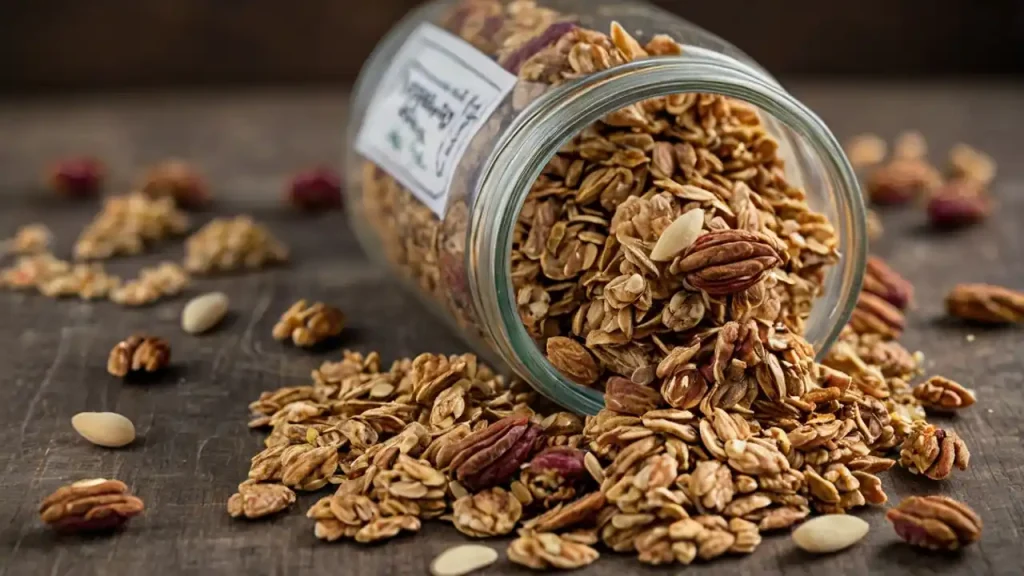
Does Paleo Tiger Offer Wholesale or Private-Label Partnerships?
Yes, Paleo Tiger provides wholesale and private-label options for businesses needing small-batch or bulk grain free granola. If you want to scale without owning a commercial kitchen, private-label manufacturing can speed up market entry while keeping your brand identity.
Types of Partnerships Paleo Tiger Offers
- Wholesale (resale-ready bags)
- Bulk orders (2–11 lb bags)
- Private-label custom blends
- Co-packing assistance
- B2B pricing tiers
Why Private-Label Works for Small Businesses?
- No licensing burden
- Consistent quality
- Faster retail readiness
- Lower startup costs
Paleo Tiger supports small brands with wholesale, bulk, and private-label partnerships ideal for rapid scaling.
Who Do I Contact at Paleo Tiger for B2B Inquiries?
For wholesale or private-label questions, contact the Paleo Tiger B2B team through the wholesale inquiry page or directly via email.
Best Contact Method
Use the wholesale inquiry form here: PaleoTiger.com. Include:
- Business name
- Estimated order size
- Packaging needs
- Timeline
- Private-label interest
Reach the Paleo Tiger B2B team via the wholesale inquiry page to start your wholesale or private-label conversation.
Final Takeaway
Starting a bulk grain free granola business is completely achievable with the right recipe refinement, compliant labeling, strong packaging, and smart pricing. Whether you sell locally or online, consistent production and clear branding make your product stand out. And if you want help with wholesale or private-label production, Paleo Tiger offers simple, scalable solutions to grow your business faster.
In short: Follow the steps, choose great packaging, price for profit, and build multi-channel sales to create a strong grain-free granola brand.
FAQs
1. What labeling is mandatory for selling granola commercially?
You must include nutrition facts, ingredients, allergens, weight, address, and batch codes to meet regulatory standards.
2. How do I calculate cost per unit for grain-free granola?
Add ingredient, packaging, labor, overhead, and divide by total units, ensuring your final price covers 25–70% margin.
3. What packaging keeps grain-free granola fresh longest?
Metalized, high-barrier stand-up pouches with heat-seal and oxygen absorbers provide the longest crunch retention.
4. Is Paleo Tiger granola gluten-free?
Yes, Paleo Tiger granola is naturally gluten-free because it’s made without grains, oats, or wheat derivatives.
5. Can I white-label granola under my own brand?
Yes, private-label and custom blend services allow you to sell granola under your own brand while outsourcing production.
6. What shelf-life tests should new granola brands run?
Perform rancidity checks, moisture migration, ambient storage, and crunch retention tests for at least 60–90 days.
7. How do I price grain-free granola for wholesale?
Wholesale pricing typically uses a 1.5–2x markup over cost-per-unit for sustainable profit margins.