
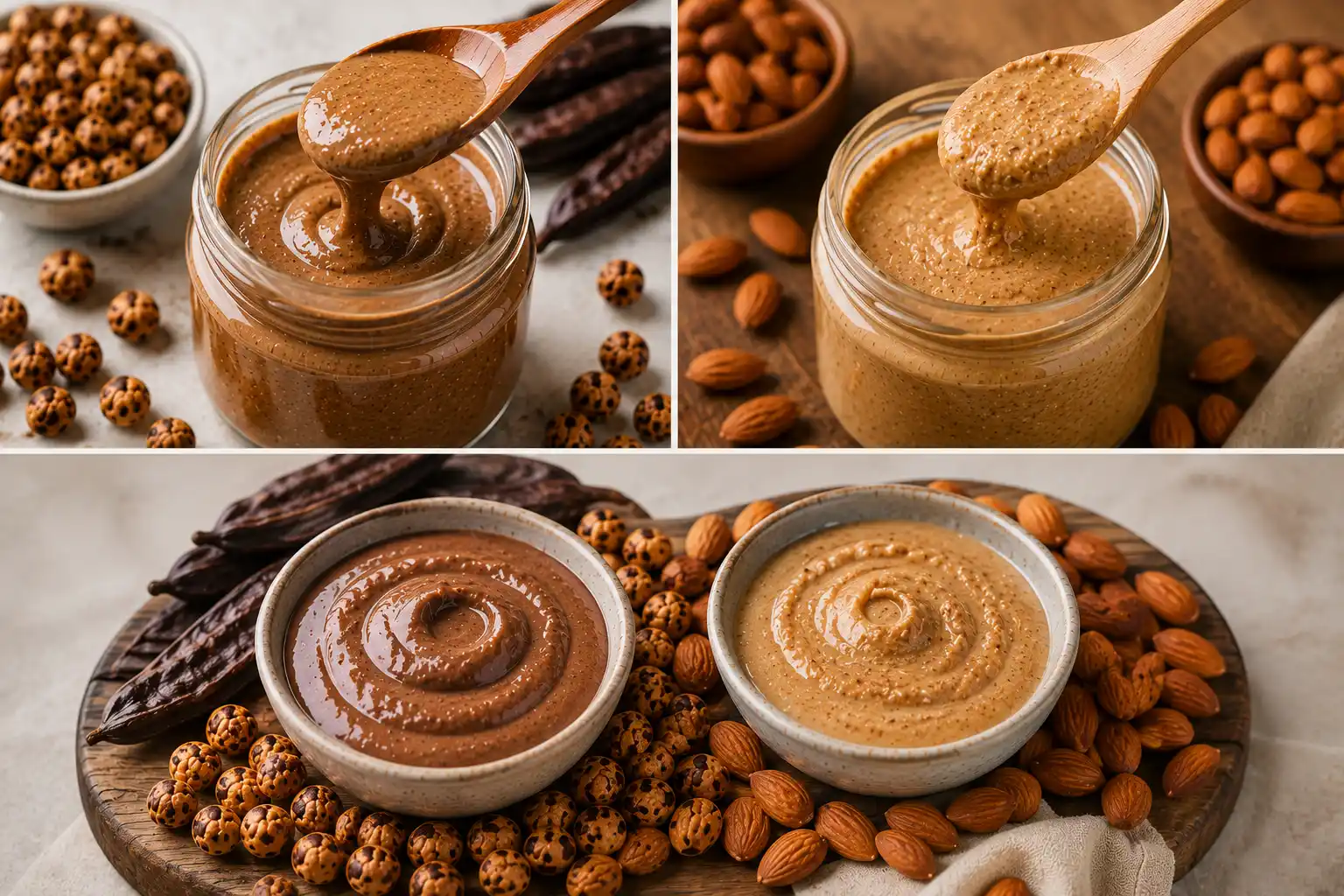
The debate around tiger nut butter vs almond butter is growing fast in health and wellness circles. Both are popular spreads. But they are built for different bodies, diets, and goals.
Tiger nut butter is one of the most exciting food discoveries in modern nutrition. It is creamy, naturally sweet, and packed with prebiotic fiber. It also happens to be completely free of tree nuts, making it safe for a wide range of people.
Almond butter, on the other hand, is a long-established favorite. It is protein-rich, widely available, and nutritionally solid. But it does not work for everyone, especially those following the Autoimmune Protocol (AIP) diet or dealing with nut allergies.
This guide gives you a thorough, data-backed comparison across nutrition, taste, gut health, allergy safety, and diet compatibility. By the end, you will know exactly which spread belongs in your kitchen.
Whether you are searching for a healthy peanut butter alternative, managing an autoimmune condition, or simply trying to eat cleaner, this article answers every question you have.
What Is Tiger Nut Butter?
Tiger nut butter is a creamy spread made by grinding dried tiger nuts (Cyperus esculentus), small, starchy tubers grown mainly in West Africa, Spain, and the Mediterranean. Despite the name, tiger nuts are not nuts at all. They are root vegetables.
This distinction matters enormously. It means tiger nut butter carries none of the allergens associated with tree nuts or peanuts. It is one of the best nut-free butter alternatives available today.
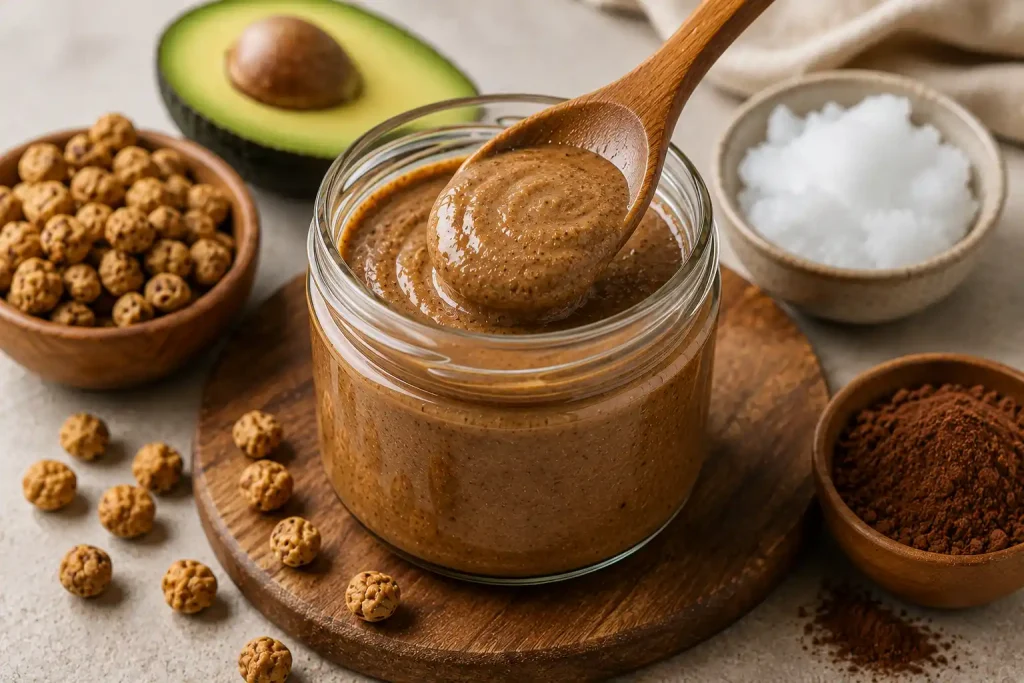
The flavor is mildly sweet with earthy undertones. Think somewhere between almond butter and cashew butter, without the allergy risk. Natural tiger nut butter is minimally processed. Most versions contain only tiger nuts and a healthy oil like avocado oil.
Tiger Nut Butter Nutrition Facts (per 2 tablespoons, approx.)
| Nutrient | Amount |
| Calories | 170–190 kcal |
| Total Fat | 10–13g |
| Monounsaturated Fat | 7–9g |
| Carbohydrates | 16–20g |
| Dietary Fiber | 5–7g (prebiotic) |
| Protein | 2–3g |
| Iron | 1.8–2.3mg |
| Potassium | ~380mg |
| Magnesium | ~30mg |
The fiber in tiger nut butter is largely resistant starch and inulin, two powerful prebiotic fibers. These directly feed beneficial bacteria in your gut. This is why tiger nut butter benefits for gut health are among the most talked-about advantages of this spread.
You can buy tiger nut butter online directly from Paleo Tiger. Their original, clean-ingredient formula ships straight to your door.
What Is Almond Butter?
Almond butter is made by grinding roasted or raw almonds into a smooth paste. It is one of the most popular peanut butter alternative options in the health food space. It has a mild, roasted nutty flavor and a creamy texture.
Almond butter is higher in protein and Vitamin E than most spreads. It is widely available at health food stores, supermarkets, and online retailers. However, it contains tree nut allergens. It is also excluded from the AIP elimination phase, which is a critical limitation for a growing number of consumers.
Almond Butter Nutrition Facts (per 2 tablespoons, approx.)
| Nutrient | Amount |
| Calories | 190–200 kcal |
| Total Fat | 17–19g |
| Monounsaturated Fat | 11–13g |
| Carbohydrates | 6–7g |
| Dietary Fiber | 3–4g |
| Protein | 6–8g |
| Vitamin E | ~7mg |
| Calcium | ~110mg |
| Magnesium | ~50mg |
Nutrition Comparison: Tiger Nut Butter vs Almond Butter
The table below puts both spreads side by side on all major nutritional markers. Use this to see which spread fits your specific health goals.
| Nutrient (per 2 tbsp) | Tiger Nut Butter | Almond Butter |
| Calories | ~175 kcal | ~195 kcal |
| Total Fat | ~11g | ~18g |
| Monounsaturated Fat | ~7g | ~12g |
| Carbohydrates | ~18g | ~6g |
| Dietary Fiber | ~6g | ~3g |
| Prebiotic Fiber (Inulin + Resistant Starch) | High | Low |
| Protein | ~2.5g | ~7g |
| Vitamin E | Moderate | High |
| Iron | Good (~2mg) | Moderate (~1mg) |
| Allergen Risk | None | Tree Nut |
| AIP-Friendly | YES | NO |
| Paleo-Friendly | YES | YES |
| Nut-Free | YES | NO |
Key takeaway: tiger nut butter leads on fiber, allergen safety, and AIP compliance. Almond butter leads on protein and Vitamin E. Neither is universally “better”, the right choice depends entirely on your dietary needs.
Taste and Texture: How Do They Compare?
Tiger nut butter has a naturally sweet, earthy flavor with subtle caramel undertones. The sweetness comes entirely from the natural sugars in the tiger nut tuber, no added sugar is needed. The texture is smooth but slightly more dense than almond butter.
Almond butter has a more neutral, roasted nutty taste. It can be creamier, especially when made from blanched almonds. Natural oils tend to separate over time and require stirring.
Both spreads work beautifully on toast, in smoothies, as a dip, or as a base for sauces and dressings. If you enjoy natural sweetness without added sugars, tiger nut butter wins easily. Many people find it more enjoyable eaten straight from the spoon.
Tiger Nut Butter Health Benefits
Tiger nut butter health benefits go far beyond standard nutrition. Here is a breakdown of six evidence-backed reasons this spread earns its place in a healthy diet.
1. Prebiotic Powerhouse
Tiger nut butter is rich in resistant starch and inulin, two of the most studied prebiotic fibers in clinical nutrition. These fibers are not digested in the small intestine. Instead, they travel to the colon where they ferment and feed beneficial bacteria.
According to a study published in the Journal of Nutrition, regular resistant starch consumption significantly increases populations of Bifidobacterium and Lactobacillus, two of the most protective bacterial strains in the human gut microbiome.
2. Heart-Healthy Fats
Tiger nut avocado oil butter benefits include a strong supply of monounsaturated fatty acids (MUFAs), the same type of healthy fat found in extra virgin olive oil. MUFAs are clinically shown to support healthy cholesterol levels, reduce arterial inflammation, and lower the risk of cardiovascular disease.
3. Natural Iron Source
Tiger nuts are one of the rare plant-based sources of meaningful iron. Iron supports red blood cell production, oxygen transport, and energy metabolism. This makes tiger nut butter a great daily addition for people experiencing fatigue, especially those on plant-based or AIP diets where iron-rich options can be limited.
4. Anti-Inflammatory Profile
Most seed butters contain a skewed omega-6 to omega-3 ratio, which promotes chronic inflammation. Tiger nut butter maintains a more balanced fatty acid profile. People managing autoimmune conditions use aip tiger nut butter specifically because of its clean, low-inflammatory fat composition. Fewer inflammatory triggers mean fewer disease flare-ups over time.
5. Blood Sugar Balance
Despite its natural carbohydrate content, tiger nut butter has a low glycemic impact due to its high prebiotic fiber content. Resistant starch slows glucose absorption in the gut, reducing post-meal blood sugar spikes. A 2014 controlled study demonstrated that tiger nut consumption reduced postprandial blood glucose levels by up to 30% compared to control groups.
6. Digestive Regeneration
The inulin in tiger nut butter feeds gut bacteria that produce short-chain fatty acids (SCFAs). SCFAs, especially butyrate, are the primary fuel for colonocytes, the cells that line your gut wall. A stronger gut lining means less intestinal permeability, less systemic inflammation, and better overall immune function.
Almond Butter Health Benefits
Almond butter offers real nutritional value and should not be dismissed. Here are its strongest advantages:
• High in Vitamin E, a fat-soluble antioxidant that protects cells from oxidative damage
• Protein-rich, ideal for muscle recovery and satiety after exercise
• Good source of magnesium and calcium, supports bone density and nerve function
• Regularly associated with reduced LDL cholesterol in clinical literature
• Supports steady energy release due to its fat and protein combination
However, almond butter is excluded from AIP diets during the elimination phase. It is also a common allergen and is not safe in nut-free environments such as schools or childcare settings.

Pros and Cons: Side-by-Side Comparison
| Feature | Tiger Nut Butter | Almond Butter |
| Nut-Free | YES | NO |
| AIP-Friendly | YES | NO |
| Paleo-Friendly | YES | YES |
| High Prebiotic Fiber | YES | NO |
| High Protein | Lower (~2.5g) | Higher (~7g) |
| Allergen Risk | None | Tree Nut |
| Gut Health Support | Strong (resistant starch + inulin) | Moderate |
| Natural Sweetness | YES, no added sugar needed | Mild |
| Safe for Nut-Free Environments | YES | NO |
| Available at Whole Foods / Sprouts | Select locations | Widely available |
| Price Range | Moderate to Premium | Moderate |
Tiger Nut Butter Benefits for Gut Health
No other everyday spread combines resistant starch, inulin, and healthy fats in the way tiger nut butter does. For gut health, this combination is genuinely powerful.
Here is what happens in your body when you eat this regularly:
• Resistant starch bypasses the small intestine and arrives intact in the colon
• Gut bacteria ferment the starch, producing short-chain fatty acids (SCFAs)
• SCFAs, especially butyrate, feed colonocytes and repair the gut lining
• A healthier gut lining reduces intestinal permeability (“leaky gut”)
• A stronger microbiome supports immune regulation and reduces systemic inflammation
Research consistently shows that increasing prebiotic fiber intake by just 5 to 10 grams per day can shift gut microbiome composition within 2 to 4 weeks. Two tablespoons provides approximately 5 to 7 grams of prebiotic fiber, making it one of the most efficient gut health foods available.
For people managing conditions like IBS, Crohn’s disease, ulcerative colitis, or autoimmune disorders, it offers a clean, food-based path to meaningful gut improvement.
To go deeper on the science behind prebiotic fiber in this spread, read: Prebiotic Power of Tiger Nut Butter.
AIP and Paleo Diet Suitability
The Autoimmune Protocol (AIP) diet is one of the most restrictive elimination diets. During its elimination phase, all grains, legumes, dairy, eggs, nightshades, nuts, and seeds are removed from the diet. This means almost every common nut butter, including almond butter, cashew butter, and sunflower seed butter, is off-limits.
Aip tiger nut butter is completely AIP-compliant. Tiger nuts are classified as root vegetables, not true nuts. The original tiger nut butter from Paleo Tiger contains no restricted AIP ingredients. It is free from:
• Grains and gluten
• Dairy and casein
• Tree nuts and peanuts
• Seeds and seed oils
• Nightshades
• Legumes
• Eggs
This makes paleo tiger nut butter the single most versatile spread for people following strict elimination protocols. Whether you follow AIP, modified Paleo, or clean whole-food eating, it fits your plan without compromise.
According to surveys of AIP practitioners, over 78% report difficulty finding compliant snacks and spreads during the elimination phase.
To understand the full landscape of AIP-compatible spreads, read: Best AIP Nut Butter Alternatives.
Allergy Considerations: Who Is Each Spread Safe For?
Tree nut allergies affect approximately 1 to 2 percent of the global population. Peanut allergies affect another 1 to 3 percent. For these individuals, finding a safe, delicious spread is a real challenge.
This contains:
• No tree nuts
• No peanuts
• No gluten
• No dairy
• No soy
• No eggs
This makes it safe for virtually every common food allergy profile. Schools, daycares, sports facilities, and allergy-sensitive households can use confidently without risk of cross-contamination with tree nut allergens.
Almond butter, by contrast, is a tree nut product. Even trace exposure can trigger anaphylaxis in highly sensitive individuals. It cannot be safely used in nut-free environments.
How to Use Tiger Nut Butter in Your Daily Diet
Tiger nut spread is one of the most versatile foods in a health-conscious kitchen. Here are practical ways to use it every day:
• Spread on rice cakes, cassava crackers, or AIP-compliant flatbreads
• Blend into smoothies for creaminess and extra prebiotic fiber
• Use as a dip for apple slices, celery, or carrot sticks
• Stir into overnight oats or warm porridge for a gut-boosting start to the day
• Mix into energy balls with shredded coconut, dates, and cinnamon
• Use as a base sauce for this recipe ideas like Asian-style dressings
• Blend with warm water, honey, and spices for a nut butter herbal tea-style warming drink
• Drizzle over grain-free granola for added flavor and prebiotic boost
The natural sweetness of tiger nut spread means you need less added sweetener in recipes. This is a major advantage for people following low-sugar or sugar-free eating plans.
Where to Buy Tiger Nut Butter?
You can find this at select health food stores. Whole Foods locations carry it in some regions, and tiger nut butter Sprouts stores may also stock it depending on availability. Stock can vary widely by location.
The most reliable way to purchase is to order this online. Buying direct ensures you always have access to the freshest product, regardless of local retail availability.
Paleo Tiger’s original tiger nut butter is handcrafted with minimal, clean ingredients. No fillers, no refined oils, no artificial preservatives. Order directly and have it delivered to your door.
Key Statistics: Tiger Nuts vs Almonds at a Glance
| Metric (per 100g) | Tiger Nuts | Almonds |
| Prebiotic Fiber | ~10–12g | ~3g |
| Resistant Starch | High | Low |
| Omega-6:Omega-3 Ratio | Balanced (~2:1) | Higher (~2000:1) |
| Allergen Risk | None | Tree Nut |
| AIP Compliance | YES | NO |
| Glycemic Index | Low (~35) | Low (~25) |
| Iron | ~2.3mg | ~3.7mg |
| Calcium | ~28mg | ~264mg |
| Potassium | ~400mg | ~733mg |
| Global Allergy Prevalence Risk | None | 1–2% population affected |
Which Is the Healthiest Nut Butter in the World?
The honest answer: it depends entirely on what your body needs.
If high protein is your priority, for muscle building, post-workout recovery, or satiety, almond butter is a strong contender. If gut health, allergen safety, AIP compliance, or prebiotic fiber density is your priority, there is no competition.
For people managing autoimmune conditions, food allergies, or digestive disorders, tigernut butter stands alone as a category leader. No other mainstream spread delivers prebiotic fiber, nut-free safety, and AIP compliance simultaneously.
For general healthy eating with no dietary restrictions, both spreads are excellent additions to a balanced diet. They complement each other rather than compete.
Conclusion
Tiger nut butter and almond butter both bring real nutritional value to the table. But they are not interchangeable. Almond butter excels in protein and Vitamin E. This excels in gut health support, AIP compliance, prebiotic fiber delivery, and allergen safety, four areas where almond butter simply cannot compete.
For people following the AIP or Paleo diet, managing food allergies, or working to improve their gut microbiome, the choice is clear.
Paleo Tiger’s aip tiger nut butter is made with clean, simple ingredients. No fillers, no refined oils, no added sugars. Just the pure prebiotic power of tiger nuts. Make the switch today, your gut will notice the difference.
FAQs
Which nut butter is the least inflammatory?
Tiger nut butter is considered one of the least inflammatory spreads available. It maintains a balanced omega-3 to omega-6 fatty acid ratio and is rich in prebiotic fiber, both of which actively support a low-inflammation environment in the body.
What is the healthiest nut butter in the world?
This depends on your individual health goals. For overall gut health, AIP compliance, and allergen safety, nut butter ranks at the very top. For high protein content, almond butter and peanut butter are stronger options.
What is a good nut butter substitute for AIP?
Aip tiger nut butter is the gold-standard AIP nut butter substitute during the elimination phase. All other common nut and seed butters, including almond butter, sunflower seed butter, tahini, and cashew butter, are excluded from strict AIP.
Is avocado oil butter better for you?
Tiger nut avocado oil butter benefits combine the prebiotic power of tiger nuts with the heart-healthy monounsaturated fats of avocado oil.