
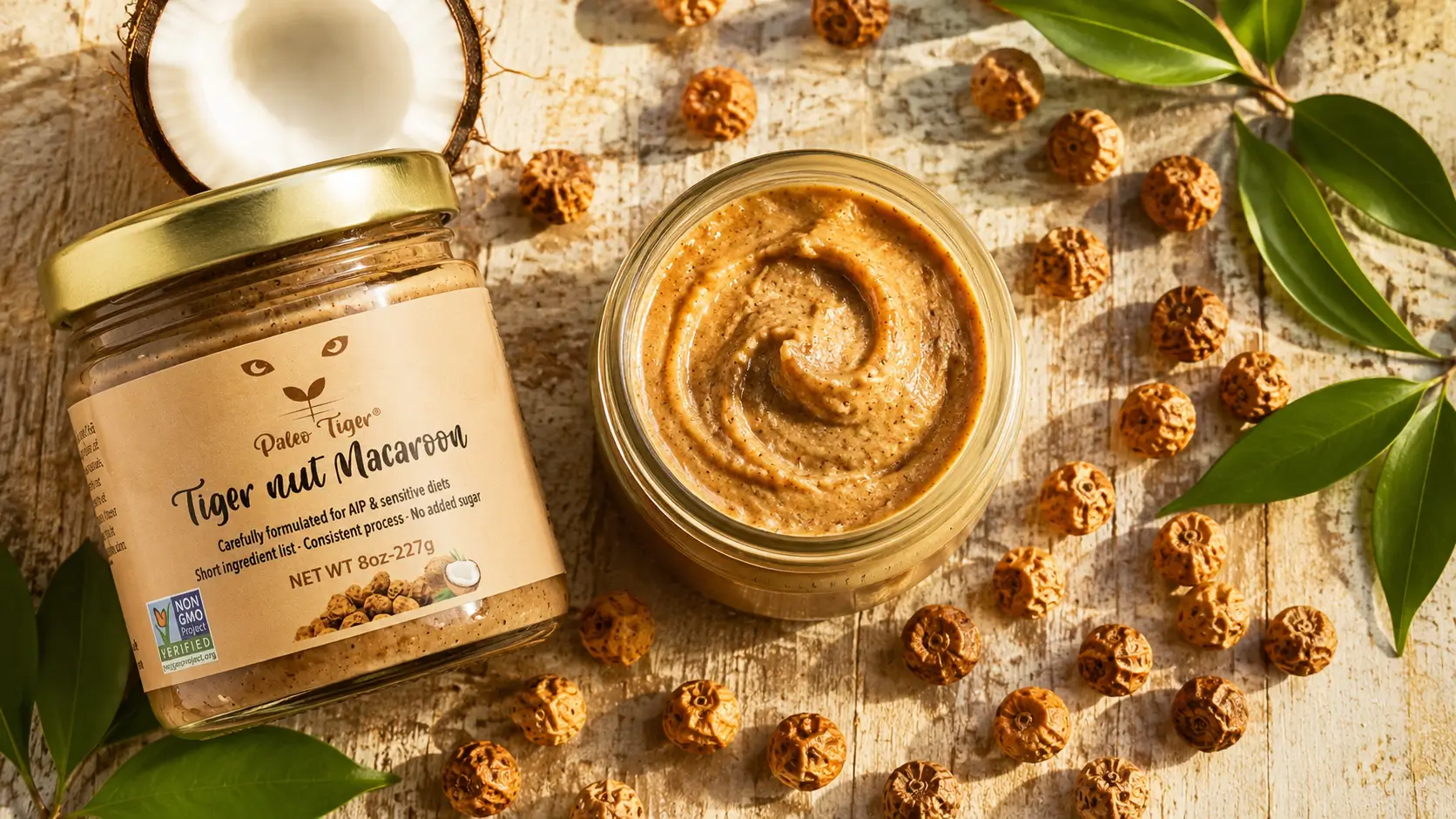
Quick Summary
- Coconut tiger nut butter combines the prebiotic fiber of tiger nuts with the antimicrobial medium-chain triglycerides (MCTs) of coconut for a powerful superfood spread.
- It supports gut health, sustained energy, and blood sugar balance, all without grains, gluten, or dairy.
- It is 100% AIP (Autoimmune Protocol), Paleo, and Whole30-compatible.
- Rich in resistant starch, oleic acid, vitamin E, iron, and potassium.
- Ideal for anyone managing gut issues, inflammation, or looking for a nut-free alternative to almond or peanut butter.
Introduction: Why Coconut Tiger Nut Butter Deserves Your Attention
If you’re tired of sugar-heavy spreads that leave your gut feeling off and your energy crashing by mid-morning, you’re not alone. Millions of health-conscious people are ditching conventional nut butters in search of something cleaner, more functional, and genuinely nourishing.
That’s exactly where coconut tiger nut butter comes in. This creamy, naturally sweet, grain-free butter is made from tiger nuts, which aren’t actually nuts at all, but small root vegetables packed with prebiotic fiber and resistant starch. Combined with coconut’s healthy fats, the result is one of the most nutrient-dense, gut-friendly spreads available today.
In this complete guide, we break down every major health benefit of coconut tiger nut butter, who it’s best for, how it compares to other spreads, and how to add it to your daily routine. Whether you’re following a Paleo, AIP, or simply a whole-food lifestyle, this article covers everything you need to know.
Explore our full range of AIP-friendly Tiger Nut Butters to find your perfect match.
What Is Coconut Tiger Nut Butter?
Coconut tiger nut butter is a creamy, blended spread made from tiger nuts and coconut, offering a nut-free, grain-free alternative to traditional nut butters.
Tiger nuts (Cyperus esculentus) are not nuts; they are small tubers or root vegetables that have been consumed since ancient times in Africa and the Mediterranean. When blended with coconut flesh or coconut oil, they create a thick, naturally sweet, caramel-like butter that is:
- Free from tree nuts and peanuts (safe for most nut allergy sufferers)
- Naturally gluten-free and grain-free
- Rich in prebiotic fiber and resistant starch
- High in healthy monounsaturated fats and MCTs
Summary: Coconut tiger nut butter is a nutrient-dense, AIP and Paleo-friendly spread made from tiger nut tubers and coconut. It delivers gut health benefits, steady energy, and essential micronutrients without any grains, nuts, or dairy.
1. Exceptional Gut Health Support Through Prebiotic Fiber
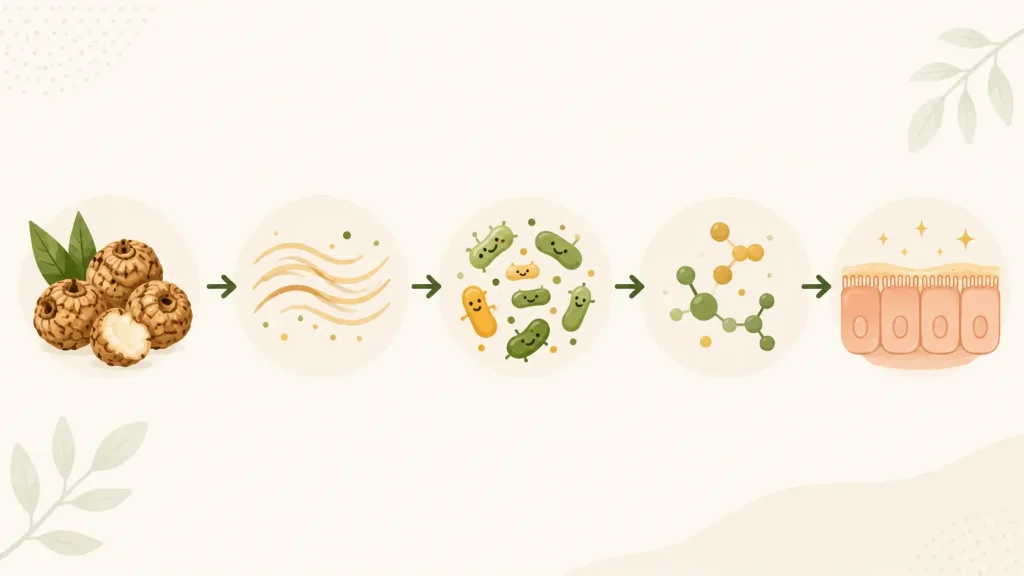
How Does Coconut Tiger Nut Butter Benefit Gut Health?
Coconut tiger nut butter supports gut health by delivering a rich supply of prebiotic fiber and resistant starch that feeds beneficial gut bacteria.
Tiger nuts are one of the richest natural sources of prebiotic fiber. Prebiotics are non-digestible food compounds that selectively stimulate the growth and activity of beneficial bacteria in the colon, including Lactobacillus and Bifidobacterium species. Unlike probiotics (which introduce live bacteria), prebiotics act as food for the good bacteria already living in your gut.
A significant portion of the carbohydrates in tiger nuts comes in the form of resistant starch, a type of starch that resists digestion in the small intestine and passes to the colon, where it is fermented by gut microbes. This fermentation process produces short-chain fatty acids (SCFAs) like butyrate, which:
- Strengthen the gut lining (reducing leaky gut risk)
- Lower intestinal inflammation
- Improve colonic motility and regularity
- Support immune function (approximately 70% of the immune system resides in the gut)
Research published in peer-reviewed nutrition journals confirms that diets rich in resistant starch and prebiotic fiber positively modulate the gut microbiome, potentially reducing risk for conditions like IBS, Crohn’s disease, and metabolic syndrome. You can explore relevant supporting research through this comprehensive study on dietary fibers and gut microbiota.
The coconut component adds further gut-supportive properties. Coconut’s medium-chain fatty acids, particularly lauric acid, have demonstrated antimicrobial activity against harmful gut pathogens like Candida albicans and H. pylori, while leaving beneficial flora largely intact.
The combination of tiger nut prebiotic fiber and coconut’s antimicrobial MCTs makes this butter a one-two punch for gut microbiome health.
Summary: Coconut tiger nut butter feeds beneficial gut bacteria through prebiotic fiber and resistant starch, while coconut’s lauric acid targets harmful pathogens. It’s a powerful functional food for anyone focused on digestive wellness.
2. Steady, Sustained Energy Without the Crash
Why Does Coconut Tiger Nut Butter Provide Lasting Energy?
Coconut tiger nut butter delivers sustained energy through a combination of slow-digesting resistant starch, MCTs, and natural sugars, avoiding the blood sugar spike-and-crash cycle of conventional spreads.
One of the most common complaints with conventional spreads like peanut butter or flavored almond butters is the energy crash that follows. This is often due to added sugars, refined oils, and the absence of fiber to moderate glycemic response.
Coconut tiger nut butter works differently:
- Resistant starch slows glucose absorption in the small intestine, providing a lower and more gradual glycemic response.
- Medium-chain triglycerides (MCTs) from coconut are rapidly absorbed and converted into ketones by the liver, offering an almost immediate alternative fuel source for the brain and muscles.
- Natural sugars in tiger nuts (primarily sucrose and glucose) are buffered by the fiber content, preventing abrupt insulin spikes.
Athletes, busy professionals, and parents managing children with dietary sensitivities often find that a tablespoon of coconut tiger nut butter before a workout or between meals provides clean, consistent energy without reaching for caffeine or sugary snacks.
This butter is ideal for anyone wanting functional, food-based energy without stimulants or refined sugars.
Summary: The resistant starch in tiger nuts and MCTs in coconut work together to deliver slow-burning, brain-friendly energy, making coconut tiger nut butter a smart pre-workout or mid-afternoon snack choice.
3. Blood Sugar Balance and Metabolic Health
Is Coconut Tiger Nut Butter Good for Blood Sugar?
Yes, coconut tiger nut butter supports healthy blood sugar levels thanks to its resistant starch content, high fiber, and low-to-moderate glycemic index.
Resistant starch has been extensively studied for its role in improving insulin sensitivity and moderating post-meal blood glucose levels. When resistant starch passes undigested to the colon, it bypasses the normal glucose-absorption pathway, meaning less sugar enters the bloodstream compared to regular digestible starch.
Several population studies have explored the metabolic properties of tiger nut-derived foods, noting improvements in fasting glucose, triglycerides, and insulin response in people who regularly include tiger nut-based products in their diets.
The oleic acid content of tiger nuts (a monounsaturated fatty acid also found in olive oil) adds another layer of metabolic benefit. Oleic acid has been associated with reduced LDL cholesterol oxidation and improved cardiovascular health markers.
For people managing Type 2 diabetes, prediabetes, or simply looking to maintain stable energy throughout the day, coconut tiger nut butter offers a functional, food-based solution.
Here’s what matters: Always pair coconut tiger nut butter with a balanced diet and consult a healthcare professional for personalized medical advice.
Summary: High in resistant starch and oleic acid, coconut tiger nut butter supports healthy blood sugar levels and may improve insulin sensitivity, making it a smart choice for metabolic health.
4. Heart Health: Healthy Fats That Love Your Cardiovascular System
How Does Coconut Tiger Nut Butter Support Heart Health?
Coconut tiger nut butter provides heart-protective oleic acid, medium-chain triglycerides, and antioxidant vitamins that collectively support healthy cholesterol balance and reduce oxidative stress.
Tiger nuts are particularly rich in:
- Oleic acid (monounsaturated fat): The same beneficial fat found in olive oil. Oleic acid is strongly associated with reduced LDL (“bad”) cholesterol and increased HDL (“good”) cholesterol.
- Vitamin E (tocopherols): A fat-soluble antioxidant that protects blood vessel walls from oxidative damage, a key driver of atherosclerosis.
- Potassium: An essential electrolyte that supports healthy blood pressure by counteracting the effects of sodium.
Coconut contributes lauric acid, which raises both LDL and HDL cholesterol. While this is sometimes viewed with caution in conventional dietary guidance, emerging research suggests that the HDL-raising effect of lauric acid may provide a net cardiovascular benefit, though this remains an area of active scientific discussion.
The fiber content of tiger nuts also contributes to heart health through cholesterol-lowering mechanisms: soluble fiber binds to bile acids in the intestine, forcing the liver to produce more bile acids from LDL cholesterol, which reduces circulating LDL levels.
Summary: Coconut tiger nut butter contains oleic acid, vitamin E, potassium, and soluble fiber, a combination that supports healthy cholesterol levels, blood pressure, and arterial health.
5. Rich in Essential Minerals: Iron, Potassium, and Magnesium
What Vitamins and Minerals Are in Coconut Tiger Nut Butter?
Coconut tiger nut butter is a notable source of iron, potassium, magnesium, and phosphorus minerals essential for energy metabolism, muscle function, and bone health.
Many people following grain-free or AIP diets struggle to meet daily mineral requirements, especially iron, which is typically obtained from fortified cereals or legumes that are excluded on these protocols. Tiger nuts offer a surprisingly significant amount of non-heme iron, making them valuable for:
- Vegetarians and vegans seeking plant-based iron sources
- Women with higher iron requirements (during menstruation or pregnancy)
- Athletes with elevated iron demand
Here’s a general nutritional snapshot of coconut tiger nut butter per 2-tablespoon (32g) serving:
| Nutrient | Approximate Amount | % Daily Value |
| Calories | 170–180 kcal | — |
| Total Fat | 12–14g | 18% |
| Saturated Fat (MCTs) | 4–5g | 20% |
| Monounsaturated Fat | 5–6g | — |
| Total Carbohydrates | 14–16g | 5% |
| Dietary Fiber | 3–4g | 12% |
| Resistant Starch | ~2g | — |
| Protein | 2–3g | 5% |
| Iron | 1.5–2mg | 8–10% |
| Potassium | 280–320mg | 6–7% |
| Magnesium | 30–40mg | 7–9% |
| Vitamin E | 0.5–1mg | 3–5% |
Values are approximate and may vary by brand and formulation.
Coconut tiger nut butter is a multi-mineral superfood that helps fill gaps common in grain-free and elimination diets.
Summary: With meaningful amounts of iron, potassium, magnesium, and vitamin E, coconut tiger nut butter helps address common nutrient gaps in AIP, Paleo, and grain-free diets.
6. AIP, Paleo, and Whole30 Compatibility
Is Coconut Tiger Nut Butter AIP-Friendly?
Yes, coconut tiger nut butter is fully compliant with the Autoimmune Protocol (AIP), Paleo, and Whole30 guidelines, making it one of the few truly versatile elimination-diet-safe spreads.
The Autoimmune Protocol (AIP) eliminates grains, legumes, nightshades, eggs, dairy, nuts, seeds, and processed foods during its elimination phase. This rules out virtually every conventional butter and spread, including almond butter (tree nut), peanut butter (legume), and sunflower seed butter (seed).
Tiger nuts, being root vegetables (not actual nuts or seeds), are fully AIP-compliant. When combined with coconut (also AIP-approved), coconut tiger nut butter becomes a rare, satisfying, and functional spread for people navigating AIP elimination phases.
For Paleo and Whole30 followers, the same logic applies to tiger nuts and coconut, which are both ancestral, unprocessed whole foods with no added sugars, soy, gluten, or artificial ingredients.
At Paleo Tiger, every batch of our Tiger Nut Butter Macaroon (AIP Friendly) is crafted with this in mind: no grains, no nuts, no compromise.
Summary: Coconut tiger nut butter is one of the only spreads that is fully AIP, Paleo, Whole30, nut-free, gluten-free, and grain-free, simultaneously a unicorn product for restrictive dietary protocols.
7. Anti-Inflammatory Properties
Does Coconut Tiger Nut Butter Reduce Inflammation?
Coconut tiger nut butter contains several anti-inflammatory compounds, including oleic acid, vitamin E, and coconut’s lauric acid, which may help reduce chronic low-grade inflammation.
Chronic inflammation is now recognized as a root cause of most modern diseases, including heart disease, type 2 diabetes, autoimmune conditions, and even depression. Diet is one of the most powerful tools for modulating inflammatory pathways.
Key anti-inflammatory contributors in coconut tiger nut butter include:
- Oleic acid: Activates anti-inflammatory signaling pathways (downregulates NF-κB, a master regulator of inflammation).
- Vitamin E: Reduces oxidative stress-driven inflammation by neutralizing free radicals.
- Lauric acid (from coconut): Has demonstrated anti-inflammatory effects in cell and animal studies by reducing cytokine production.
- Prebiotic fiber: Indirectly reduces systemic inflammation by promoting a healthy gut microbiome, since gut dysbiosis is a major driver of inflammatory signaling throughout the body.
For people managing autoimmune conditions, inflammatory bowel disease, or general chronic inflammation, incorporating anti-inflammatory whole foods like coconut tiger nut butter is a well-supported dietary strategy.
Summary: Through oleic acid, vitamin E, lauric acid, and prebiotic fiber, coconut tiger nut butter addresses inflammation at multiple biological levels, making it particularly valuable for autoimmune and inflammatory conditions.
8. Weight Management and Satiety
Can Coconut Tiger Nut Butter Help With Weight Management?
Coconut tiger nut butter promotes healthy weight management through its high fiber content and satiating fats, which reduce overall caloric intake by keeping you fuller for longer.
Weight management is rarely just about calories in versus calories out. Satiety, how full and satisfied you feel after eating, plays an enormous role in how much you eat throughout the day. Coconut tiger nut butter addresses satiety through several mechanisms:
- Dietary fiber slows gastric emptying, meaning food stays in your stomach longer and you feel full longer after eating.
- Resistant starch suppresses appetite-stimulating hormones like ghrelin, according to several clinical investigations.
- MCTs from coconut have been shown to increase the release of satiety hormones peptide YY (PYY) and leptin, signaling fullness to the brain more effectively than long-chain fatty acids.
- Protein content (modest but present) adds to the satiety effect through thermogenic and hormonal mechanisms.
Two tablespoons of coconut tiger nut butter on an apple or rice cake can be a surprisingly filling, nutrient-dense snack that curbs cravings for hours far more effectively than conventional low-fat spreads.
Coconut tiger nut butter is a high-satiety, moderate-calorie food that supports weight management not by restricting pleasure, but by naturally curbing appetite.
Summary: Fiber, resistant starch, and MCTs in coconut tiger nut butter work together to suppress appetite hormones and slow gastric emptying, supporting a healthy weight without hunger.
9. Skin and Hair Health Benefits
Is Coconut Tiger Nut Butter Good for Skin?
The vitamin E and oleic acid in coconut tiger nut butter support skin hydration, elasticity, and protection against UV-induced oxidative damage when consumed as part of a regular diet.
Beauty and skin health are increasingly recognized as inside-out phenomena, as what you eat directly affects the condition of your skin, hair, and nails. Coconut tiger nut butter provides several skin-supportive nutrients:
- Vitamin E: One of the most studied skin-protective antioxidants. It helps neutralize free radicals generated by UV exposure, pollution, and metabolic processes that cause premature skin aging.
- Oleic acid: Supports skin barrier function and moisture retention. Studies show that oleic acid-rich diets correlate with higher skin hydration and reduced transepidermal water loss.
- Zinc (trace amounts from tiger nuts): Supports collagen synthesis and wound healing.
- Lauric acid (coconut): Has demonstrated antibacterial properties against Propionibacterium acnes, the primary bacterium involved in acne formation.
While coconut tiger nut butter isn’t a skincare product, its rich concentration of skin-supportive nutrients makes it a smart dietary choice for people wanting to nourish their skin from within.
Summary: Regular consumption of coconut tiger nut butter may support skin hydration, elasticity, and antioxidant protection through its vitamin E, oleic acid, and lauric acid content.
Coconut Tiger Nut Butter vs. Other Popular Spreads: A Comparison
| Feature | Coconut Tiger Nut Butter | Almond Butter | Peanut Butter | Sunflower Seed Butter |
| AIP Compliant | Yes | No (tree nut) | No (legume) | No (seed) |
| Nut-Free | Yes | No | No | Yes |
| Prebiotic Fiber | High | Low | Low | Low |
| Resistant Starch | Yes | No | No | No |
| Grain-Free | Yes | Yes | Yes | Yes |
| MCT Fats | Yes (coconut) | No | No | No |
| Natural Sweetness | Mild/Caramel | Mild | Mild | Mild |
| Common Allergen | None | Tree nut | Peanut | None |
| Paleo | Yes | Yes | No | Yes |
| Whole30 | Yes | Yes | No | Yes |
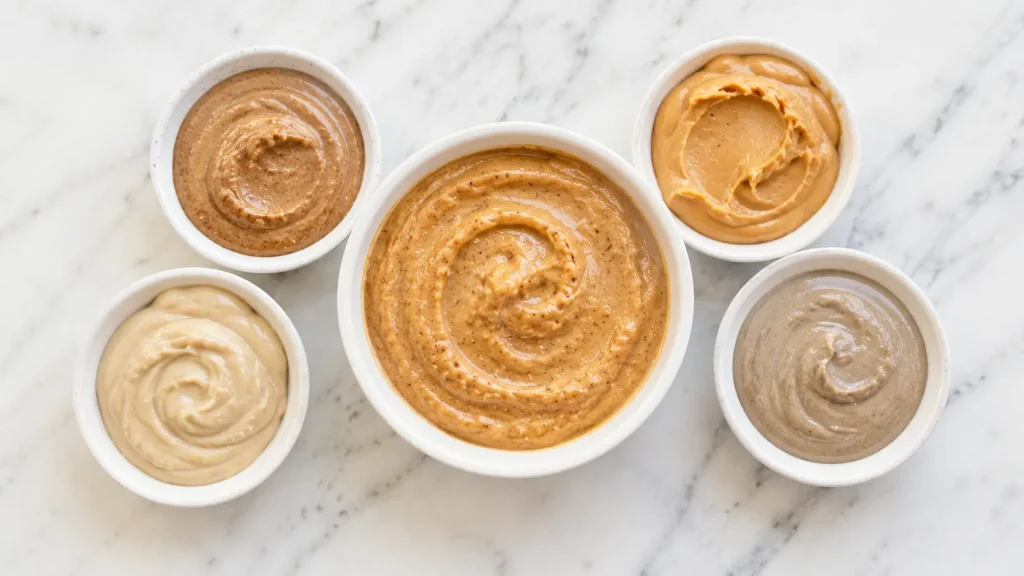
Here’s what matters: For anyone navigating elimination diets, nut allergies, or gut health goals, coconut tiger nut butter stands in a category of its own, offering benefits no other mainstream spread can match.
How to Use Coconut Tiger Nut Butter in Your Daily Diet
What Are the Best Ways to Eat Coconut Tiger Nut Butter?
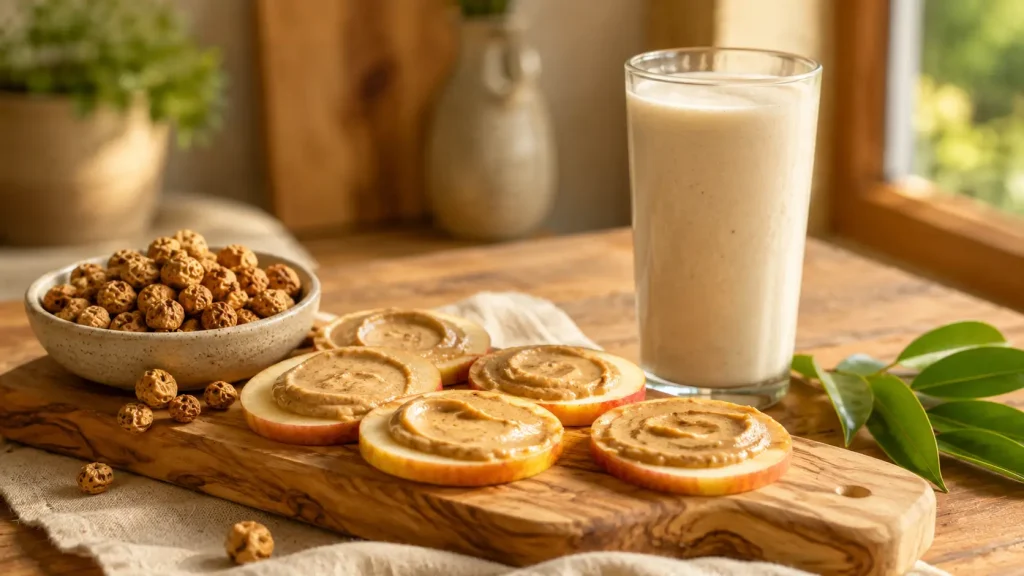
Coconut tiger nut butter can be used as a spread, dip, smoothie addition, baking ingredient, or straight off the spoon; it’s one of the most versatile AIP-friendly foods available.
Here are practical ways to incorporate it:
As a Spread:
- On grain-free crackers or AIP-compliant flatbreads
- On banana slices or apple rounds for a quick snack
- On toasted coconut wraps (popular in Paleo communities)
In Smoothies:
- Add 1–2 tablespoons to a coconut milk smoothie with banana and cinnamon
- Blend with frozen mango, coconut water, and turmeric for an anti-inflammatory morning drink
In Baking:
- Substitute for almond or peanut butter in grain-free cookie recipes
- Use in AIP-compliant energy balls with dates, coconut flakes, and tiger nut flour
- Mix into no-bake bars with dried fruits and seeds (for non-strict AIP phases)
Straight from the Jar:
- A tablespoon pre-workout for sustained energy
- A small spoon before bed to prevent overnight blood sugar dips
Try Paleo Tiger’s Tiger Nut Butter Macaroon — AIP Friendly (8oz) made with simple, whole-food ingredients for the cleanest coconut tiger nut butter experience.
Who Should Eat Coconut Tiger Nut Butter?
Is Coconut Tiger Nut Butter Good for Everyone?
Coconut tiger nut butter is broadly beneficial, but it is particularly well-suited for:
- People with nut allergies (tree nut or peanut) seeking a safe spread alternative
- AIP, Paleo, or Whole30 followers needing compliant, satisfying foods
- People with IBS or digestive issues looking to increase prebiotic fiber gently
- Athletes and active individuals want clean, MCT-based energy
- People managing blood sugar or metabolic health who need low-GI foods
- Parents feeding children who have multiple food allergies or sensitivities
- Anyone pursuing an anti-inflammatory diet as part of managing autoimmune conditions
Note: People with fructose malabsorption or FODMAP sensitivities should introduce tiger nut-based products slowly, as the prebiotic fiber content may initially cause bloating while the gut microbiome adjusts.
Where to Buy Coconut Tiger Nut Butter
Where Can I Buy Coconut Tiger Nut Butter?
Coconut tiger nut butter is available from specialty health food retailers, online AIP/Paleo stores, and directly from dedicated producers like Paleo Tiger.
While it remains less widely available than almond or peanut butter in mainstream supermarkets, online availability is excellent. When purchasing, look for:
- Minimal ingredients: Tiger nuts, coconut, and natural flavoring, nothing else
- No added sugar or sweeteners (especially corn syrup or cane sugar)
- No vegetable oils (palm, canola, or soybean oil are common cheap fillers)
- AIP or Paleo certification from a recognized organization
At Paleo Tiger, our Tiger Nut Butter Macaroon is crafted with certified clean ingredients specifically for AIP and Paleo followers. Have questions? Contact our team, we’re happy to help you find the right product for your needs.
Summary: For the cleanest coconut tiger nut butter, buy from dedicated Paleo/AIP producers who list full ingredient transparency and avoid added oils or sweeteners.
Frequently Asked Questions (FAQ)
Is coconut tiger nut butter safe for people with nut allergies?
Yes. Tiger nuts are not tree nuts or peanuts; they are root vegetables (tubers). Most people with tree nut or peanut allergies can consume tiger nuts safely. However, if you have a severe or complex allergy history, consult an allergist before trying any new food.
Is coconut tiger nut butter keto-friendly?
Coconut tiger nut butter contains a moderate amount of carbohydrates from tiger nuts, including resistant starch and prebiotic fiber. While it is not ideal for very strict keto macros (targeting under 20g net carbs daily), the resistant starch and fiber mean the net carb impact is lower than total carbs suggest. It fits well into a moderate, low-carb, or cyclical ketogenic approach.
How much coconut tiger nut butter should I eat per day?
A typical serving is 1–2 tablespoons (16–32g) per day. This delivers meaningful prebiotic fiber, MCTs, and micronutrients without excessive caloric intake. Start with one tablespoon if you are new to resistant starch-rich foods, to allow your gut microbiome to adapt.
Is Paleo Tiger coconut tiger nut butter gluten-free?
Yes. All Paleo Tiger tiger nut butter products are made without any grains, gluten, or gluten-containing ingredients, and are suitable for people with celiac disease or non-celiac gluten sensitivity.
Can I use coconut tiger nut butter in cooking and baking?
Absolutely. Coconut tiger nut butter is a versatile cooking ingredient. It holds up well to moderate heat and can be used in sauces, marinades, energy balls, AIP-compliant baked goods, and smoothies. Its mild, naturally sweet flavor profile works beautifully in both sweet and savory recipes.
What does coconut tiger nut butter taste like?
It has a creamy, mildly sweet, slightly earthy flavor with warm caramel and coconut notes. Most people find it more naturally sweet than almond butter, with a lighter texture than dense nut butters. It’s often described as reminiscent of a coconut macaroon cookie.
Is tiger nut butter the same as tiger nut flour?
No. Tiger nut butter is made from whole or blended tiger nuts, retaining their fat, fiber, and full nutritional profile. Tiger nut flour is a dry, ground product used in baking that has a different texture, flavor, and fat content. Both are valuable in grain-free cooking but serve different purposes.
Final Takeaway
Coconut tiger nut butter is far more than a trendy alternative spread. It is a functionally rich, scientifically supported superfood that delivers genuine, measurable health benefits across multiple body systems from the gut microbiome to cardiovascular health, blood sugar regulation, energy, and beyond.
It occupies a unique position in the health food landscape: the only spread that is simultaneously AIP-compliant, nut-free, grain-free, Paleo, Whole30, prebiotic-rich, and MCT-powered. For anyone navigating elimination diets, food allergies, autoimmune conditions, or simply seeking cleaner, more nourishing food, coconut tiger nut butter is a product that genuinely delivers on its health promises.
The next step? Try it for yourself. Start with one tablespoon daily on apple slices, blended into a smoothie, or straight from the jar, and give your gut microbiome two to three weeks to respond. Most people report noticeable improvements in energy, digestion, and satiety within that window.
Shop Paleo Tiger’s AIP Tiger Nut Butter — 8oz — the cleanest coconut tiger nut butter crafted for real, whole-food health.