
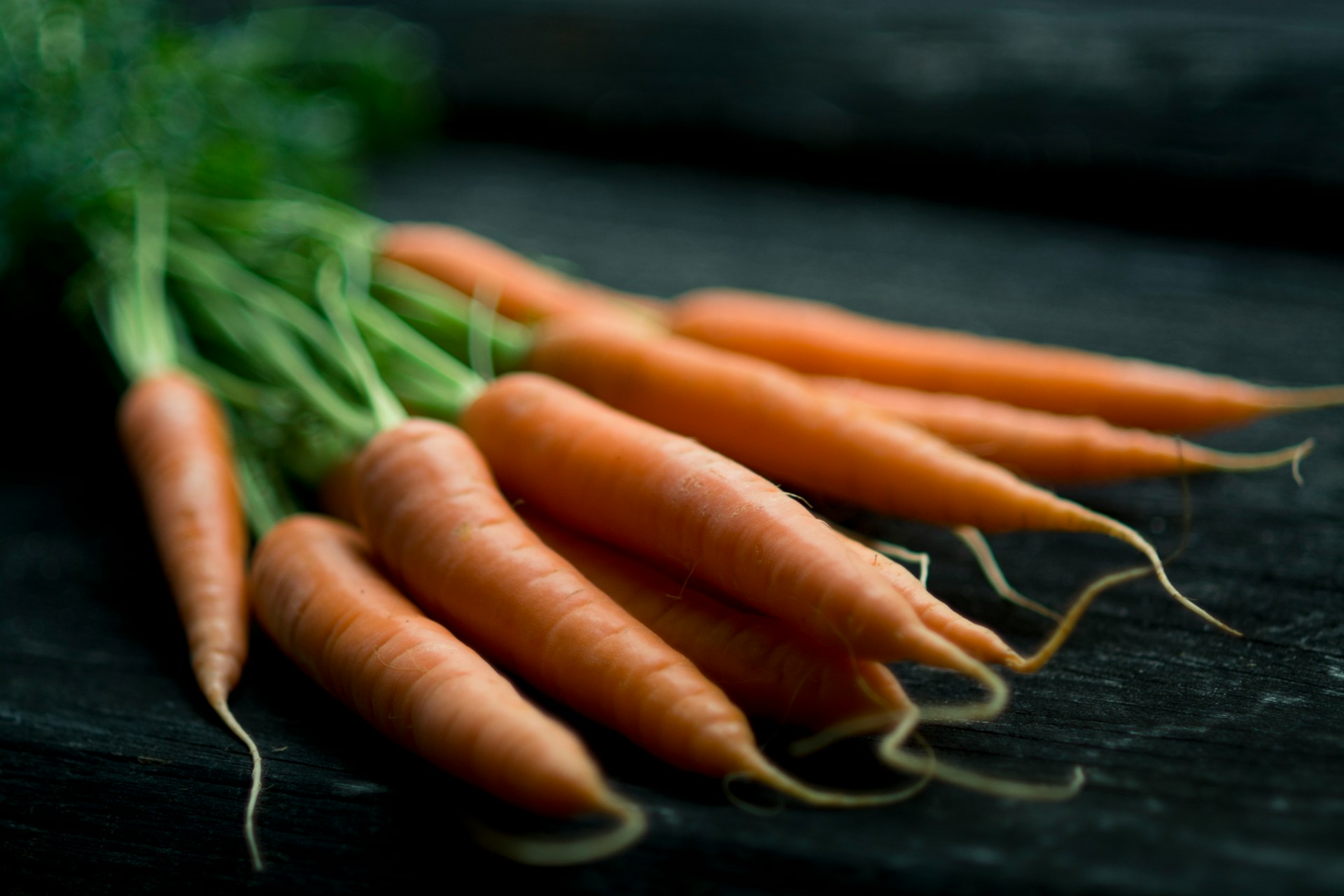
Carrots are a popular root vegetable known for their vibrant orange color and crunchy texture. They are rich in beta-carotene, an important nutrient that our bodies convert into vitamin A. This makes carrots a valuable addition to any diet, contributing to better vision, skin health, and immune function with more benefits of carrots. These versatile vegetables can be enjoyed raw, cooked, or even juiced, offering a wide range of culinary possibilities.
Beyond their nutritional profile, carrots are incredibly adaptable. You can add them to salads for a fresh crunch or cook them in soups and stews for added sweetness and depth of flavor. Their natural sugars caramelize when roasted, creating a deliciously sweet and savory side dish. Whether you are following a Paleo or AIP diet, or simply looking to include more vegetables in your meals, carrots make a fantastic choice.
Another advantage of carrots is their availability. They are in season year-round and can be found in almost any grocery store or farmers’ market. This makes it easy to incorporate them into your diet without much effort. In this article, we’ll explore everything you need to know about carrots, from their nutritional benefits to different ways to cook and enjoy them.
What Are Carrots?
Carrots are a root vegetable known for their bright orange color, though they can also be found in purple, red, yellow, and white varieties. They belong to the Apiaceae family, which also includes parsley, celery, and fennel. Carrots are a biennial plant, meaning they complete their lifecycle over two years. In the first year, they grow leaves and store nutrients in their taproot, which is the edible part we commonly consume. If left to grow for a second year, they will produce flowers and seeds.
Originating in Iran and Afghanistan, carrots have been cultivated for thousands of years. Initially, these vegetables were grown for their aromatic leaves and seeds rather than their roots. Modern carrots, which have been bred for their large, sweet roots, became popular in Europe around the 16th century. Today, they are a staple in many cuisines around the world and are known for their versatility and nutritional benefits.
Carrots are easy to grow in a home garden and adapt well to various soil types and climates. They are typically available year-round and can be found in most grocery stores and farmers’ markets, making them an accessible and popular choice for many households.
Nutritional Benefits of Carrots
Carrots are packed with essential nutrients that offer numerous health benefits. Here are some of the key nutritional advantages of including carrots in your diet:
1. High in Beta-Carotene: Carrots are rich in beta-carotene, an antioxidant that the body converts into vitamin A. Vitamin A is crucial for maintaining good vision, supporting the immune system, and promoting healthy skin and mucous membranes.
2. Rich in Fiber: Carrots are a good source of dietary fiber, which aids in digestion and helps maintain a healthy gut. Fiber also helps regulate blood sugar levels and can contribute to feeling full, which may support weight management.
3. Low in Calories: Despite their sweet taste, carrots are low in calories, making them an excellent snack or addition to meals for those looking to manage their weight without sacrificing flavor.
4. Packed with Vitamins and Minerals: In addition to vitamin A, carrots contain important vitamins and minerals such as vitamin K, vitamin C, potassium, and folate. These nutrients play crucial roles in bone health, blood clotting, and overall immune function.
5. Antioxidant Properties: Carrots contain several antioxidants, including beta-carotene, lutein, and zeaxanthin. These compounds help protect your cells from damage and reduce the risk of chronic diseases like heart disease and cancer.
Including carrots in your diet is a simple way to boost your intake of essential nutrients and enjoy their health benefits. Whether eaten raw, cooked, or juiced, carrots can be a delicious and nutritious addition to any meal plan.
How to Cook Carrots
Cooking carrots is simple, and their natural sweetness makes them a delicious addition to many dishes. Here are some popular methods to cook carrots:
1. Roasting: Roasting brings out the natural sweetness of carrots. Preheat your oven to 425°F. Slice carrots into sticks or rounds, toss with olive oil, salt, and pepper, and spread them on a baking sheet. Roast for 20-25 minutes until they are tender and slightly caramelized.
2. Steaming: Steaming is a healthy way to cook carrots while retaining most of their nutrients. Cut carrots into uniform pieces and place them in a steamer basket over boiling water. Cover and steam for about 5-10 minutes until tender.
3. Boiling: Boiling is another quick method. Peel and chop carrots into chunks, then cook them in boiling water for about 10-15 minutes until they are tender. Drain and season with butter or your favorite herbs.
4. Sautéing: Sautéing carrots in a skillet with a bit of oil or butter can add a delightful flavor. Slice carrots thinly and cook them over medium heat for about 10 minutes, stirring occasionally, until they are tender.
5. Microwaving: For a fast option, place sliced carrots in a microwave-safe dish with a small amount of water. Cover and microwave on high for 4-6 minutes until tender. Drain and season as desired.
These different cooking methods allow you to enjoy carrots in various ways, whether as a side dish, in a salad, or as part of a main course.
Delicious Carrot Recipes
Carrots are incredibly versatile and can be featured in a variety of delicious recipes. Here are some ideas to get you started:
1. Glazed Carrots: Cook sliced carrots in a mixture of butter, brown sugar, and a pinch of salt until they are tender and the glaze is thick and shiny. This sweet and savory side dish pairs well with roasted meats.
2. Carrot Soup: Puree cooked carrots with onion, garlic, ginger, and vegetable broth to make a smooth and creamy soup. Add a swirl of coconut milk for extra creaminess and flavor.
3. Carrot and Orange Salad: Combine shredded carrots with orange segments, raisins, and chopped fresh parsley. Dress with a simple vinaigrette made from olive oil, lemon juice, and a touch of honey.
4. Carrot Fries: Cut carrots into fry-shaped pieces, toss with olive oil, and season with paprika, garlic powder, and salt. Bake at 425°F for 20-25 minutes until crispy and golden.
5. Carrot Muffins: Incorporate grated carrots into a muffin batter made with almond flour, eggs, honey, and spices like cinnamon and nutmeg. Bake until golden brown for a nutritious and tasty treat.
These recipes showcase the versatility of carrots, making it easy to include them in your diet in tasty and creative ways.
Conclusion
Carrots are a nutritious and flexible ingredient that can be enjoyed in many different dishes. From their high beta-carotene content to their rich fiber levels, carrots provide numerous health benefits. Cooking methods such as roasting, steaming, boiling, sautéing, and microwaving highlight their natural sweetness and versatility. Whether you’re making a sweet carrot muffin or a savory carrot soup, carrots can enhance any meal with their vibrant color and flavor.
Incorporating carrots into your diet is a simple way to boost your intake of essential nutrients while enjoying delicious meals. Their year-round availability and ease of preparation make them a convenient option for busy families and health-conscious individuals alike. Ready to explore more nutritious recipes and tips for a healthy lifestyle? Visit Paleo Tiger for valuable insights and products that support gut health and overall well-being. Let’s make your meals healthier and more enjoyable together!
Join us at Paleo Tiger to discover the best ways to incorporate healthy AIP foods like carrots into your diet!