
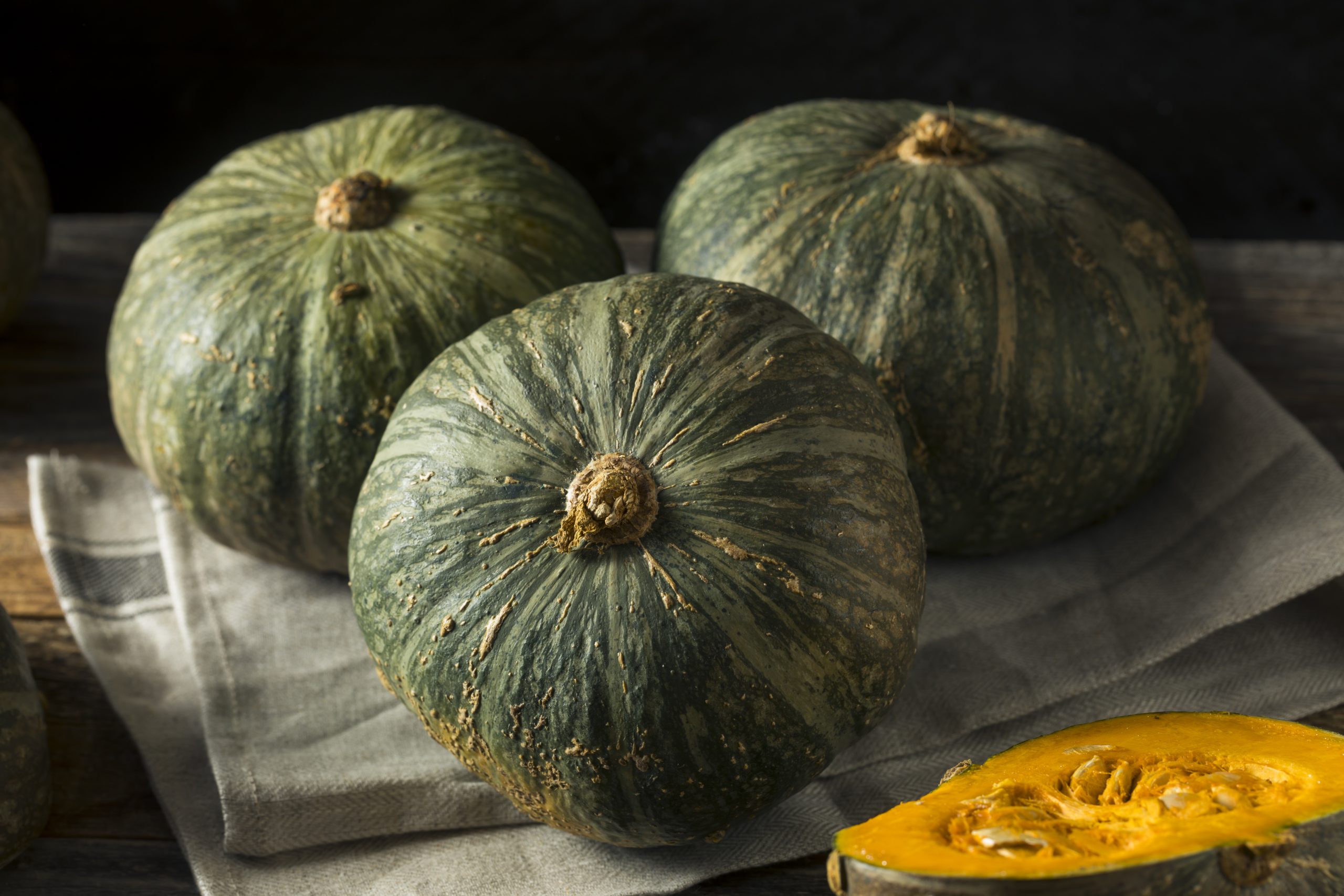
Kabocha squash, often called Japanese pumpkin, has sweet orange flesh and a dense, creamy texture. It works well in roasted sides, soups and purees. Here is how to choose it, prepare it and build a meal around it.
What is kabocha squash?
Kabocha is a winter squash commonly used in Japanese cooking. Many varieties have dark green skin with pale markings, although colors vary. Choose a firm squash that feels heavy for its size, with no soft, leaking or moldy spots. Wash the outside before cutting, even if you plan to remove the skin.
Kabocha squash nutrition
Winter squash provides carbohydrate, fiber and nutrients such as vitamin A precursors and vitamin C. Vitamin A supports normal vision and immune function; vitamin C supports normal immune function and wound healing. Nutrient amounts depend on the variety, serving size and preparation. A serving of squash is a food choice, not a treatment for inflammation, diabetes or other medical conditions. See the University of Wisconsin Extension winter squash guide for general nutrition information.
For a more complete meal, serve squash with a protein food and other vegetables. Oils, toppings and sauces contribute to the meal’s nutrition too; sweetness alone does not tell you how a food will affect your blood sugar.
How to cook kabocha squash
Use a sturdy board and a sharp knife. Make a stable, flat surface before cutting through the squash, keep your fingers clear of the blade and scoop out the seeds. Cut pieces to a similar size so they cook evenly. The skin may soften during cooking, but you can remove it if you prefer.
Roasted kabocha wedges
Heat the oven to 400°F (200°C). Toss the wedges with enough olive oil to coat lightly and a little salt. Arrange in a single layer on a baking sheet. Roast for about 30–40 minutes, turning halfway through, until a fork slides easily into the flesh. Timing varies with wedge thickness and your oven; tenderness is the best guide.
Steamed squash or puree
Place peeled, evenly cut pieces in a steamer basket over simmering water. Cover and cook until tender, checking from about 15 minutes. Serve as pieces, or mash with a little olive oil and enough cooking liquid to reach your preferred texture. Take care when lifting the lid to avoid the steam.
Simple kabocha meal ideas
- Creamy soup: blend cooked squash with vegetable broth and coconut milk, then warm gently. Cool hot ingredients as needed and follow your blender’s instructions.
- Stuffed squash: roast halved squash until tender, then fill with cooked ground meat or other protein, sauteed vegetables and herbs. Heat the filling thoroughly.
- Roasted side: serve wedges alongside your main meal with herbs and a squeeze of lemon.
If you follow an AIP or Paleo eating plan, check every added ingredient against the version you follow. A squash recipe does not automatically fit a diet simply because squash is its main ingredient. Choose broth, milk and seasonings that meet your needs and allergies.
Explore more meal ideas on the Paleo Tiger blog, or compare the ingredients in our current products.
Try a cinnamon squash bowl
For a different serving idea, spoon warm kabocha puree into a bowl and swirl in a little Cinnamon Tiger Nut Butter. Start with a small amount and adjust to taste, or use Original Tiger Nut Butter if you prefer to add your own seasoning.