
Does Textured Soy Protein Work in Granola Bars? A Practical Guide
Quick answer: Yes. Textured soy protein (TSP, also sold as TVP or soy protein crisps) works in granola bars when you use small, dry granules or crisps, add them at about 10–20% of the dry mix, and use a strong binder. It raises protein and adds crunch. It is not a fit for paleo, AIP or soy-free diets, so those bakers need a different base, such as tiger nuts.
Granola bars started as an oat, honey and nut snack. Today many people want more protein in the same bar, and textured soy protein is one of the cheapest ways to add it. This guide explains what TSP is, how it behaves in a bar, a tested-style method for home bakers, and what to use instead when soy is off the table.
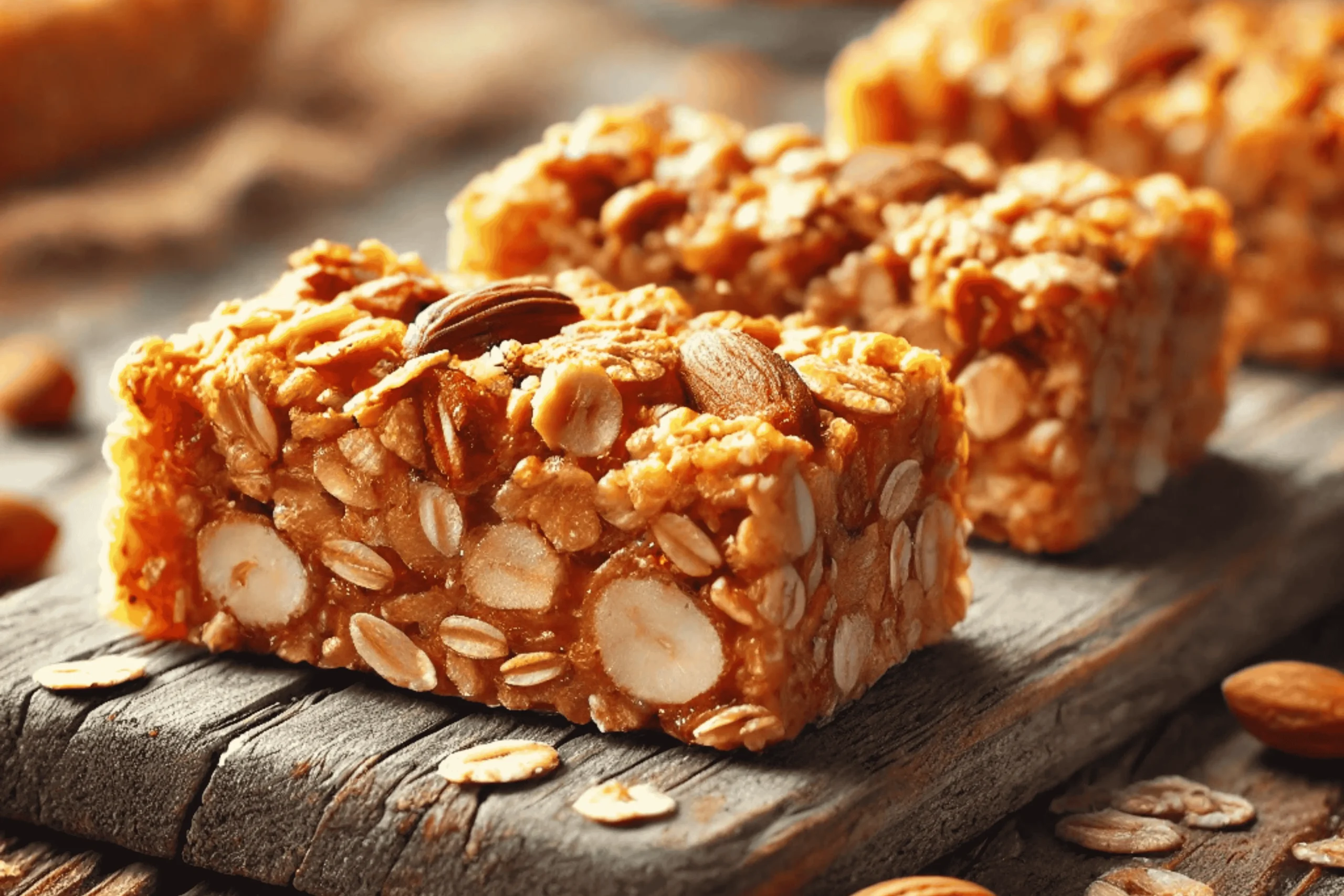
What is textured soy protein?
Textured soy protein is made from defatted soy flour. The flour is moistened, heated and pushed through an extruder, which puffs it into dry granules, flakes, chunks or crisps. In savoury cooking it is rehydrated and used like ground meat. In snacks it is usually left dry so it stays crunchy.
You will see several names on labels:
| Name on label | What it usually is | Best use in bars |
|---|---|---|
| Textured soy protein (TSP) | Extruded defatted soy flour | Fine granules, used dry |
| Textured vegetable protein (TVP) | Often the same soy product | Fine granules, used dry |
| Soy protein crisps | Puffed soy protein isolate, sometimes with rice | Crunch, like a crisped rice cereal |
| Soy protein granules | Small TSP pieces | Mixed into the oat base |
Because it is made from soy, it contains one of the major food allergens that US labels must declare (FDA food allergies).
Why bakers add TSP to granola bars
1. More protein per bar
Dry TSP is a concentrated protein ingredient. Swapping part of the oats for it can noticeably raise the protein number on a bar. Check the Nutrition Facts panel of the brand you buy, because protein content differs between granules and crisps. Research on sports nutrition suggests spreading protein across the day helps people meet their needs (ISSN position stand), and a bar is an easy way to do that.
2. Crunch and chew
Small dry granules give a light, crisp bite. Larger pieces stay chewy and can feel spongy if they pick up moisture. Crisps behave like puffed cereal and keep a bar from feeling dense.
3. Low cost and long shelf life
TSP is shelf-stable and cheap compared with many protein powders. That is why it shows up in commercial “protein crisp” bars.
4. Plant-based
It contains no dairy or eggs, so it suits vegetarian and vegan bars. It is still soy, so it does not suit soy-free, paleo or AIP eating plans.
Does it actually work? What to expect
TSP works well when you treat it as a crunchy dry ingredient rather than as a flour. Here is how it changes a bar:
| Factor | Effect of adding TSP | How to manage it |
|---|---|---|
| Binding | Dry granules don’t stick on their own | Use more binder (nut or seed butter plus syrup) |
| Moisture | Granules absorb liquid and soften | Don’t pre-soak; add after warm binder cools slightly |
| Flavor | Mild, slightly beany | Add cinnamon, vanilla, salt, cocoa or carob |
| Texture | Crunchy if dry, spongy if wet | Use fine granules or crisps |
| Shelf life | Softens in humid air | Store airtight; wrap bars individually |
The most common failure is a crumbly bar. That happens when too much of the oat base is replaced and the binder stays the same.
How to use textured soy protein in granola bars
- Pick the right size. Choose fine granules or crisps. Big chunks are made for chili, not bars.
- Keep it dry. Don’t rehydrate it the way you would for savoury cooking. A dry granule stays crisp.
- Start at 10–20% of the dry mix. For a pan made with 3 cups of dry ingredients, start with 1/3 to 1/2 cup of TSP.
- Toast it lightly (optional). Five minutes at 325°F with the oats improves flavor.
- Raise the binder. Add 1–2 extra tablespoons of nut or seed butter, or syrup, for every 1/2 cup of TSP.
- Press hard. Line the pan with parchment and press firmly with the back of a measuring cup.
- Chill before cutting. Refrigerate for at least an hour so the binder sets.
Simple soy protein granola bar formula
- 2 cups rolled oats
- 1/2 cup soy protein crisps or fine TSP
- 1/2 cup seeds or chopped nuts
- 1/2 cup nut or seed butter
- 1/3 cup honey or maple syrup
- 1 tsp vanilla, 1/2 tsp cinnamon, pinch of salt
Warm the butter and syrup, cool for two minutes, stir in the dry ingredients, press, chill and cut.
Textured soy protein crisps vs granules
People searching for “textured soy protein crisps” usually want a bar that tastes like a store protein bar. Crisps are lighter and crunchier, so they’re easier to use. Granules are cheaper and denser. If your bar feels heavy, swap half the granules for crisps.
Other textured proteins for cereal bars
If you want a different protein crunch, these are common choices:
| Option | Contains | Diet notes |
|---|---|---|
| Pea protein crisps | Pea protein, often rice | Soy-free; not paleo or AIP (legume) |
| Whey protein crisps | Milk protein | Not dairy-free |
| Pumpkin or sunflower seeds | Seeds | Paleo; not AIP during elimination |
| Tiger nut granola pieces | Tiger nuts (a tuber) | Grain-free, nut-free, many AIP plans |
Soy-free and paleo option: tiger nuts
Paleo and AIP plans avoid legumes, and soy is a legume. If that’s your diet, a soy protein bar won’t fit. Tiger nuts are a good base swap. They are small root vegetables, not nuts, with a natural sweetness and lots of fiber. They’re not a high-protein food, so think of them as the oat replacement, not the protein booster. Learn more in our guide to the health benefits of tiger nuts.
Easy swaps for a grain-free bar:
- Replace oats with Paleo Tiger Tiger Nut Granola, which is grain-free and made without tree nuts or peanuts.
- Replace nut butter binder with Original Tiger Nut Butter.
- Add fine texture with Tiger Nut Flour at 2–3 tablespoons per pan.
- Sweeten lightly with a little honey or maple syrup, or with mashed banana.
For a full recipe idea, see our no-bake AIP recipes and the grain-free granola clusters guide. If you’re building snacks for training days, our nut-free workout snacks post pairs well with this one.
Who should skip soy protein bars
- People with a soy allergy. Always read the “Contains” statement.
- People following paleo or the AIP elimination phase.
- Anyone told by their doctor to limit soy. Ask your clinician if you’re unsure.
Storage tips
Store TSP bars in an airtight container at room temperature for about a week, or in the fridge for two weeks. Humid kitchens soften crisps quickly, so wrap bars one by one. Freeze for longer storage and thaw for 10 minutes before eating.
FAQ
Does textured soy protein work in granola bars?
Yes, when you use small dry granules or crisps at about 10–20% of the dry mix and add extra binder so the bar holds together.
Do you need to rehydrate TVP for granola bars?
No. Dry TSP stays crunchy. Rehydrated TSP turns spongy and makes bars soggy.
What are textured soy protein crisps?
They are puffed soy protein pieces, similar to crisped rice. They add crunch and protein to bars and cereal.
How much protein does TSP add?
It depends on the brand and amount. Read the Nutrition Facts panel and divide the protein by the number of bars you cut.
Is textured soy protein paleo?
No. Soy is a legume, and paleo and AIP plans avoid legumes.
What can I use instead of soy protein in a grain-free bar?
Tiger nut granola, tiger nut butter and tiger nut flour make a soy-free, grain-free and nut-free base. Pair them with a protein source your diet allows.
Why are my soy protein bars crumbly?
Too much dry TSP and too little binder. Add more nut or seed butter or syrup, press firmly and chill before cutting.