
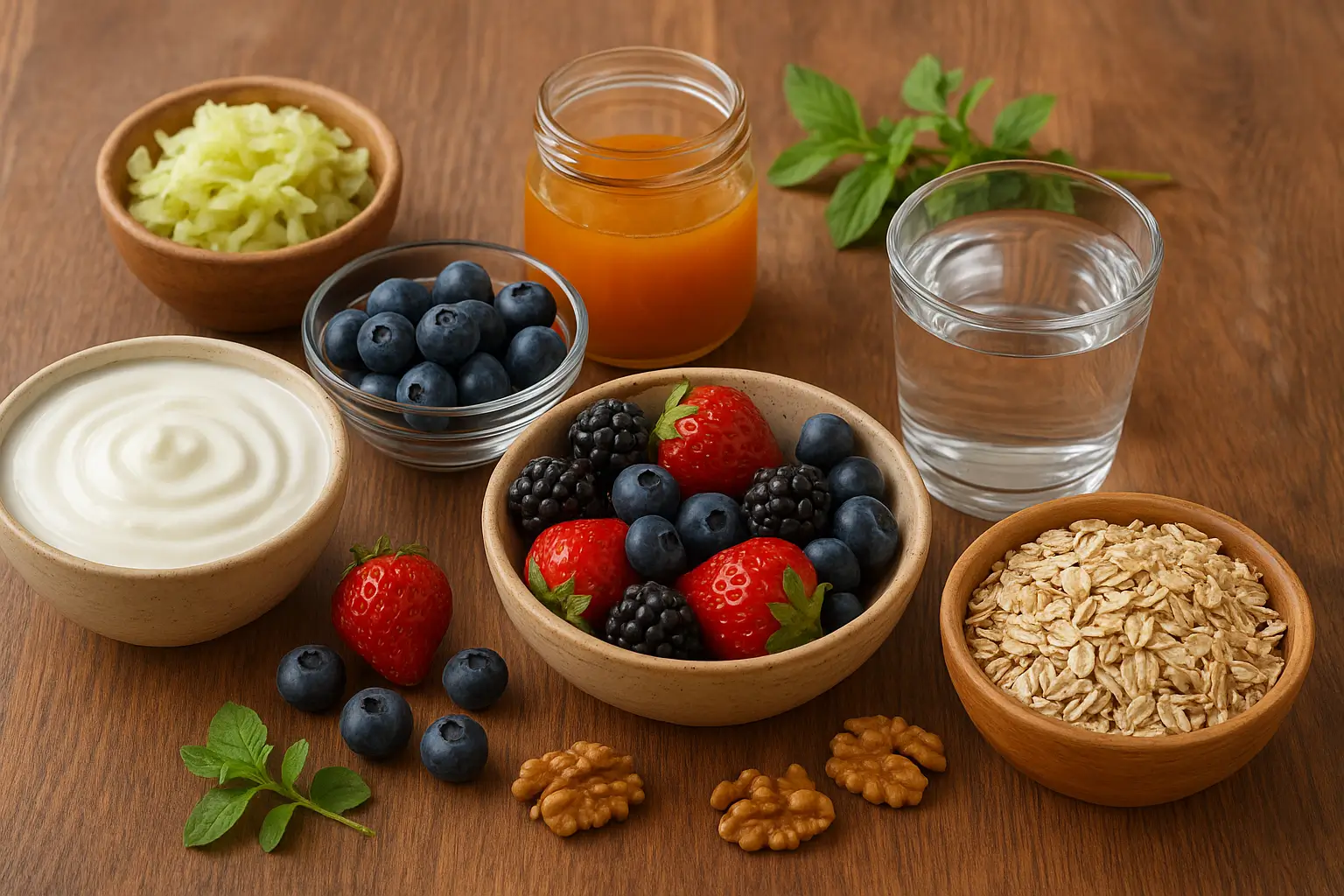
Your gut is often called the second brain, and for good reason. It’s home to trillions of microorganisms, digestive enzymes, and immune cells that influence everything from nutrient absorption to mood. If you’ve been searching for how to improve gut health or more specifically, how to improve gut health naturally, you’re not alone. With growing awareness about digestion, probiotics, and the microbiome, gut health has become one of the top wellness trends worldwide.
In this comprehensive guide, we’ll break down why gut health matters, the signs of imbalance, and actionable steps to nourish your digestive system naturally. By the end, you’ll know exactly how to support your microbiome and create sustainable habits for long-term wellness.
Why Gut Health Matters
Gut health isn’t just about avoiding bloating or constipation—it’s foundational to your overall wellbeing. Here’s why it’s so important:
- Digestion & Nutrient Absorption: A healthy gut efficiently breaks down food and absorbs essential vitamins, minerals, and amino acids.
- Immune Function: Nearly 70% of your immune system resides in your gut. A balanced microbiome helps defend against harmful pathogens.
- Hormone Regulation: Gut microbes influence hormones like serotonin, which affects mood, sleep, and stress.
- Metabolic Health: Gut bacteria help regulate blood sugar, weight management, and energy levels.
- Brain–Gut Axis: The gut and brain are connected through the vagus nerve, meaning gut imbalance can trigger anxiety, depression, or brain fog.
Signs Your Gut Needs Support
Before learning how to improve gut health naturally, it’s useful to know the warning signs that indicate imbalance. Common red flags include:
- Frequent bloating or gas
- Constipation, diarrhea, or irregular bowel movements
- Food intolerances (dairy, gluten, etc.)
- Sugar cravings or uncontrollable appetite
- Unexplained fatigue or poor sleep
- Skin issues like acne, eczema, or rosacea
- Frequent colds or low immunity
- Mood swings, anxiety, or brain fog
If you notice multiple symptoms, it may be time to take a closer look at your digestive health.
How to Improve Gut Health Naturally
Improving gut health doesn’t require expensive supplements or restrictive diets. The key lies in simple, sustainable lifestyle and dietary changes. Let’s explore the most effective strategies.
1. Eat a Fiber-Rich Diet
Why it matters: Fiber is food for your gut bacteria. When microbes ferment fiber, they produce short-chain fatty acids like butyrate, which reduce inflammation and strengthen the gut lining.
How to do it:
- Load up on fruits, vegetables, whole grains, beans, lentils, nuts, and seeds.
- Aim for at least 25–35 grams of fiber daily.
- Mix soluble fiber (oats, apples, chia) with insoluble fiber (leafy greens, whole grains).
2. Include Fermented Foods
Why it matters: Fermented foods are natural sources of probiotics—live bacteria that support a balanced gut microbiome.
Examples: Yogurt, kefir, sauerkraut, kimchi, miso, kombucha, and tempeh.
Tip: Start small to avoid bloating and build tolerance gradually.
3. Reduce Processed Foods & Sugar
Why it matters: Excess sugar and artificial additives feed harmful bacteria and yeast, leading to dysbiosis (imbalance).
How to improve gut health naturally in this case:
- Limit packaged snacks, soda, refined carbs, and processed meats.
- Replace with whole-food alternatives like fruits, nuts, and lean proteins.
4. Stay Hydrated
Why it matters: Water helps move food through the intestines and supports the mucosal lining of the gut.
How to do it:
- Drink 8–10 glasses of water daily.
- Add lemon or cucumber for extra minerals and flavor.
- Avoid excessive caffeine and alcohol, which dehydrate the gut.
5. Manage Stress Levels
Why it matters: Chronic stress alters gut motility, reduces beneficial bacteria, and increases inflammation.
Practical tips:
- Try meditation, yoga, or deep breathing.
- Get outside daily for fresh air and sunlight.
- Journal or practice gratitude to calm your nervous system.
6. Prioritize Quality Sleep
Why it matters: Poor sleep disrupts circadian rhythms, which also regulate gut microbial balance.
How to improve gut health naturally through sleep:
- Aim for 7–9 hours of rest nightly.
- Keep a consistent sleep schedule.
- Avoid screens 1–2 hours before bed to improve melatonin production.
7. Exercise Regularly
Why it matters: Moderate physical activity enhances gut microbial diversity and improves motility.
Best practices:
- Try walking, cycling, swimming, or yoga.
- Avoid overtraining, which can cause stress and harm gut balance.
8. Consider Probiotics and Prebiotics
Probiotics: These are beneficial bacteria found in supplements or foods. They can help restore balance after illness, antibiotics, or poor diet.
Prebiotics: Non-digestible fibers that feed probiotics, such as garlic, onions, asparagus, bananas, and chicory root.
Tip: Combine both for maximum benefit (called synbiotics).
9. Limit Antibiotics & Medications
Why it matters: Antibiotics kill both harmful and beneficial bacteria, often leaving the gut vulnerable.
Best practices:
- Only take antibiotics when prescribed by a doctor.
- Follow up with a probiotic supplement to restore balance.
- Talk to your physician about medication side effects on digestion.
10. Eat Mindfully & Chew Thoroughly
Why it matters: Digestion begins in the mouth. Chewing thoroughly releases enzymes and makes nutrients more bioavailable.
Tips:
- Avoid eating on the go.
- Chew each bite 20–30 times.
- Eat in a calm, relaxed environment to support the parasympathetic nervous system.
Natural Supplements That May Help
While diet and lifestyle are the foundation, certain natural supplements can support gut healing:
- Probiotic blends: Containing Lactobacillus and Bifidobacterium strains.
- Digestive enzymes: To support nutrient absorption.
- L-Glutamine: An amino acid that repairs the intestinal lining.
- Omega-3 fatty acids: Found in fish oil, reduce inflammation.
- Herbal teas: Ginger, peppermint, and chamomile soothe the digestive tract.
Always consult with a healthcare professional before starting supplements.
The Long-Term Benefits of a Healthy Gut
When you learn how to improve gut health naturally and commit to these changes, the benefits ripple across your whole body:
- More energy and vitality
- Better weight management
- Stronger immune system
- Clearer skin
- Sharper focus and improved mood
- Long-term protection against chronic diseases
FAQs About Gut Health
Q: How long does it take to improve gut health naturally?
A: Some improvements like reduced bloating can appear within days. Deeper changes in microbiome balance usually take 4–12 weeks.
Q: Can I improve gut health without supplements?
A: Yes! A balanced diet with fiber, fermented foods, hydration, sleep, and stress management is often enough. Supplements can be helpful but are not mandatory.
Q: Is fasting good for gut health?
A: Intermittent fasting may support microbial diversity and improve digestion, but results vary. It’s best to consult a professional before starting.
Q: What’s the best food to eat first thing in the morning for gut health?
A: Warm water, fiber-rich fruit, or probiotic yogurt are excellent ways to start your day.
Q: Can stress alone damage gut health?
A: Yes. Stress hormones directly affect the gut lining and microbial balance. Managing stress is one of the most natural ways to improve gut health.
Final Thoughts
Improving gut health is one of the most rewarding investments you can make in your wellbeing. By focusing on how to improve gut health naturally, you’ll not only ease digestion but also enhance immunity, mood, and long-term vitality.
Start with simple steps: eat fiber-rich foods, include probiotics, drink enough water, reduce stress, and sleep well. With consistency, your gut will reward you with energy, clarity, and resilience. Please read our other blogs.