
AIP Sauces for Everyday Cooking: 7 Easy Recipes With Tiger Nut Butter and Oil
Quick answer: The easiest way to make AIP and paleo sauces at home is to start with a creamy or fatty base, like tiger nut butter or tiger nut oil, then add acid (lemon, lime or apple cider vinegar), salt, herbs and a little sweetness. Tiger nut butter replaces peanut butter in satay-style sauces, and tiger nut oil works in dressings and marinades. All seven recipes below skip nightshades, seeds and dairy.
Store-bought sauces often contain sugar, soy, seed oils, chili or tomatoes, which rules them out for many people on AIP. Making your own takes five minutes and keeps well in the fridge.
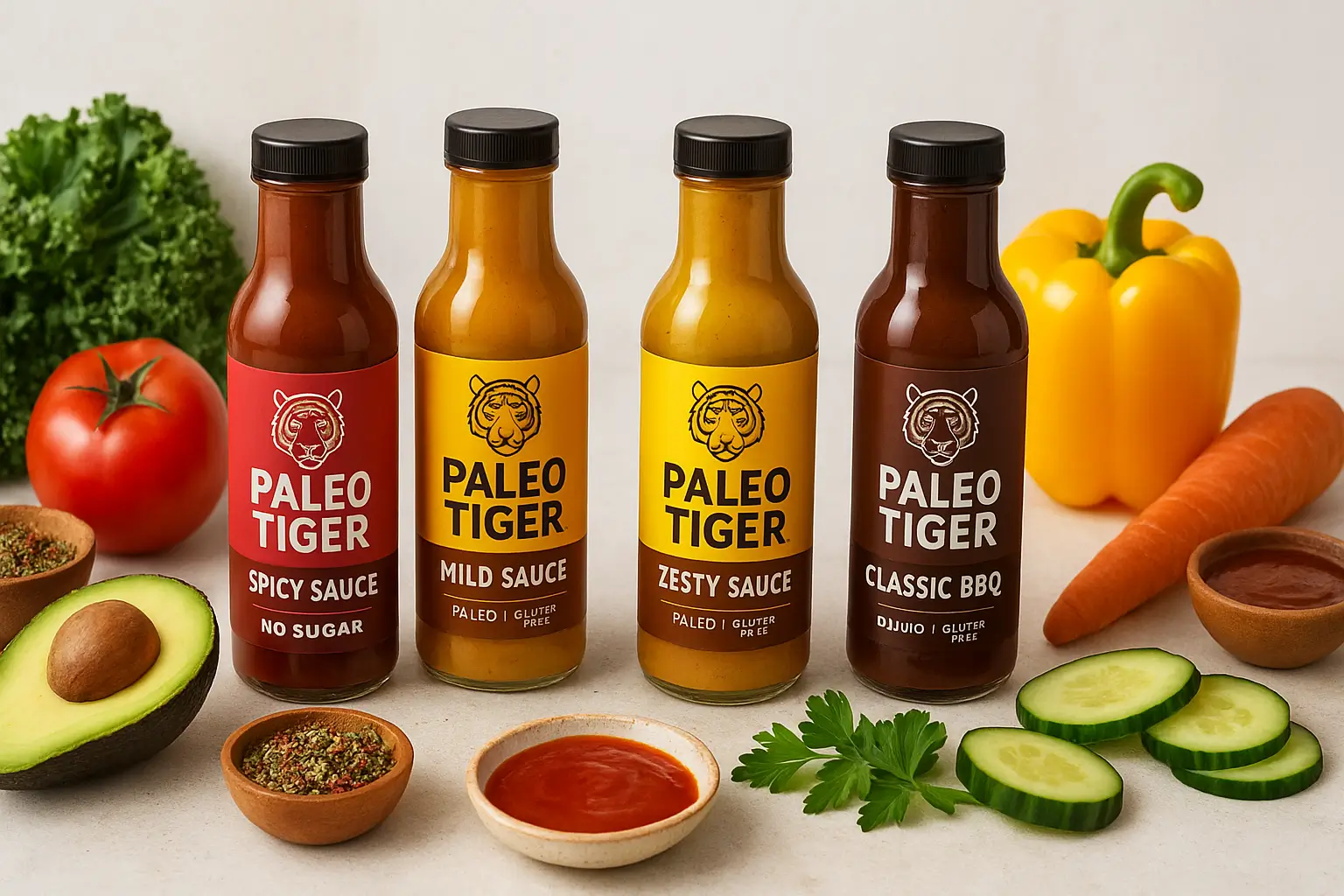
Note: Paleo Tiger doesn’t sell bottled sauces. These recipes use Paleo Tiger Original Tiger Nut Butter, Crunchy Tiger Nut Butter, Cinnamon Tiger Nut Butter and Cold-Pressed Tiger Nut Oil.
What makes a sauce AIP-friendly?
The autoimmune protocol removes grains, legumes (including soy and peanuts), dairy, eggs, nuts, seeds, nightshades (tomatoes, peppers, chili, paprika) and refined sugars during the elimination phase. That means most classic sauces need swaps:
| Classic ingredient | AIP swap |
|---|---|
| Peanut butter | Tiger nut butter |
| Soy sauce | Coconut aminos |
| Sesame oil | Tiger nut oil or avocado oil |
| Chili or paprika | Ginger, garlic, horseradish or fresh herbs |
| Tomato | Beet, carrot or pumpkin purée (“nomato” sauce) |
| Cream | Coconut milk |
| Mustard (seed) | Extra vinegar and horseradish |
1. Tiger nut satay-style sauce
- 3 tbsp Original Tiger Nut Butter
- 2 tbsp coconut aminos
- 1 tbsp lime juice
- 1 tsp grated ginger
- 1 small garlic clove, grated
- 2–4 tbsp warm water
Whisk until smooth, adding water for the thickness you want. Use it on chicken skewers, shrimp, zucchini noodles or as a dip for raw vegetables. It’s the closest AIP match to peanut sauce.
2. Creamy lemon-herb dressing
- 1/4 cup tiger nut oil
- 2 tbsp lemon juice
- 2 tbsp coconut yogurt (unsweetened)
- 1 tbsp chopped parsley and chives
- Salt to taste
Shake in a jar. Great on green salads, cold sweet potato salad and grilled fish. Find more ideas in our AIP salad dressings guide.
3. Garlic-ginger marinade
- 1/4 cup coconut aminos
- 2 tbsp tiger nut oil
- 1 tbsp apple cider vinegar
- 2 garlic cloves, minced
- 1 tbsp grated ginger
Marinate chicken thighs, pork or flank steak for 1–8 hours in the fridge. Discard leftover marinade that touched raw meat (FDA safe food handling).
4. Cinnamon tiger nut glaze
- 2 tbsp Cinnamon Tiger Nut Butter
- 1 tbsp maple syrup
- 1 tbsp coconut milk
Warm gently and brush over roasted carrots, butternut squash or sweet potatoes in the last five minutes of baking.
5. Crunchy tiger nut slaw sauce
- 2 tbsp Crunchy Tiger Nut Butter
- 2 tbsp apple cider vinegar
- 1 tbsp tiger nut oil
- 1 tsp honey (optional)
- Pinch of salt
Toss with shredded cabbage and carrots for a crunchy side for pulled pork or burgers.
6. Herb “green sauce”
- 1 cup parsley and cilantro
- 1/4 cup tiger nut oil
- 1 lemon, juiced
- 1 garlic clove
- Salt
Blend until chopped but not completely smooth. Spoon over steak, eggs (if not on AIP), or roasted vegetables.
7. Nomato pasta sauce
Simmer 2 cups chopped carrots, 1 small cooked beet, 1 cup pumpkin purée, 1 onion, 2 garlic cloves and 1 cup bone broth until soft. Blend with 1 tbsp tiger nut oil, lemon juice, oregano and basil. Serve over zucchini noodles or spaghetti squash.

How to use these sauces through the week
| Day | Meal | Sauce |
|---|---|---|
| Monday | Chicken skewers with cauliflower rice | Satay-style |
| Tuesday | Big green salad with salmon | Lemon-herb |
| Wednesday | Marinated pork chops and roasted broccoli | Garlic-ginger |
| Thursday | Sheet-pan squash and sausage | Cinnamon glaze |
| Friday | Pulled pork lettuce cups | Crunchy slaw sauce |
| Saturday | Steak with roasted roots | Green sauce |
| Sunday | Zucchini noodles with meatballs | Nomato |
How to build your own AIP sauce
Once you’ve made a few of these, you won’t need a recipe. Most good sauces follow a simple formula: a base, an acid, a flavor and a balance. Start with about three tablespoons of base, such as tiger nut butter, tiger nut oil, coconut milk or puréed vegetables. Add one tablespoon of acid, like lemon juice, lime juice or apple cider vinegar. Then add a flavor, such as garlic, ginger, fresh herbs, horseradish or cinnamon. Finish with a balance of salt and, if you like, a small amount of honey or maple syrup.
Taste as you go. If the sauce is flat, add acid or salt. If it’s too sharp, add more base or a touch of sweetness. If it’s too thick, whisk in warm water one spoon at a time. This method lets you use whatever is in your fridge and keeps meals interesting without buying a shelf of bottled condiments.
Meal-prep tips
- Make two sauces on Sunday. One creamy, one bright, so meals don’t get boring.
- Store in glass jars. Most of these keep 4–5 days in the fridge. The nomato sauce can be frozen.
- Stir before using. Tiger nut butter sauces thicken when cold. Add a splash of warm water.
- Label the jar with the date.
Cooking with tiger nut oil
Cold-pressed tiger nut oil has a mild, slightly sweet flavor. A review of tiger nut research found tiger nut oil is rich in oleic acid, the main monounsaturated fat in olive oil (Sánchez-Zapata et al., 2012). It works best in dressings, drizzles and gentle cooking. For high-heat searing, many cooks prefer avocado oil.
Keep sweeteners and salt in check
Even natural sweeteners like honey and maple syrup count as added sugars. The recipes here use a teaspoon or a tablespoon, which spreads across several servings. Coconut aminos are lower in sodium than soy sauce, but they still add some, so taste before adding salt.
Reintroduction tips
When you move past the AIP elimination phase, you can add back ingredients one at a time. Many people test seed-based spices like cumin or mustard first, then try a little paprika. Add one new ingredient for a few days and note how you feel before trying another. Your base sauces stay the same, so it’s easy to see what changed.
Who can use these sauces?
They suit paleo, AIP, Whole30-style eating (skip honey and maple syrup), gluten-free and dairy-free diets. Tiger nuts are tubers, not tree nuts or peanuts. If you have a severe allergy, read the label and ask your allergist (FDA food allergies).
FAQ
What sauces are AIP-friendly?
Homemade sauces made with tiger nut butter, coconut aminos, olive, avocado or tiger nut oil, citrus, vinegar, herbs, garlic and ginger, without nightshades, seeds or dairy.
Can I use tiger nut butter instead of peanut butter in sauces?
Yes. It’s creamy and mildly sweet, and it works well in satay-style sauces.
Is coconut aminos AIP?
Yes, it’s a common soy sauce swap on AIP.
Does Paleo Tiger sell sauces?
No. Paleo Tiger makes tiger nut butters, oil, flour, granola and whole tiger nuts, which you can use to make sauces at home.
How long do homemade AIP sauces last?
Most keep 4–5 days in the fridge in a sealed jar.
Is ketchup AIP?
No, it’s made from tomatoes, a nightshade. Try nomato sauce.
Can I heat tiger nut oil?
Yes, for gentle cooking. Use it mainly for dressings and drizzles.