
It can be difficult for those with nut allergies to find a tasty, healthy, and allergy-safe substitute for conventional nut butter. Fortunately, there are several alternatives that provide the delicious flavor and creamy texture of nut butter without the use of nuts. In addition to being safe for allergy sufferers, these nut-free butters and spreads have distinct flavors and nutritional advantages all their own. Here is a list to the top nut-free butter alternatives to explore, whether you’re searching for a spread for your toast or an ingredient for baking.
1. Sunflower Seed Butter
One of the most widely used nut-free substitutes is sunflower seed butter. It is made from roasted sunflower seeds and is high in protein, good fats, and vitamin E, an antioxidant that promotes immunological and skin health. It is a flexible choice for spreads, baking, and even smoothies because of its creamy texture and mild, slightly sweet flavor.
How to Use It: Use it as a dip for apple slices, spread it on toast, or add it to smoothies to make them creamier. In most recipes, sunflower seed butter can also be used in place of peanut or almond butter.
2. Soy Butter
A great option for a protein-rich snack, soy butter is derived from roasted soybeans and is high in fiber and protein. Its mild flavor goes well with both savory and sweet foods, and it has a smooth, spreadable texture akin to peanut butter.
How to Use: Use soy butter in sandwiches or spread it on toast or crackers. Additionally, it works well for baking cookies and for giving sauces and salads a creamy finish.
3. Pumpkin Seed Butter
Packed with magnesium, zinc, and good fats, pumpkin seed butter is a delicious nut-free substitute made from raw or roasted pumpkin seeds. Both savory and sweet recipes can benefit from its subtle earthy flavor.
How to use: Add pumpkin seed butter to homemade energy balls, spread it on toast, or sprinkle it over oatmeal. Because of its distinct flavor, it works well as a spread for veggie wraps or as a foundation for salad dressings.
4. Coconut Butter
Why It’s Great: Coconut butter is made from pureed coconut meat, offering a natural sweetness and a rich, creamy texture. It’s naturally nut-free, low in carbohydrates, and provides medium-chain triglycerides (MCTs), which can be beneficial for quick energy.
How to Use: Spread coconut butter on toast, drizzle it over pancakes, or add it to smoothies for a creamy boost. You can also use it as a dairy-free option in baking or to add richness to soups and sauces.
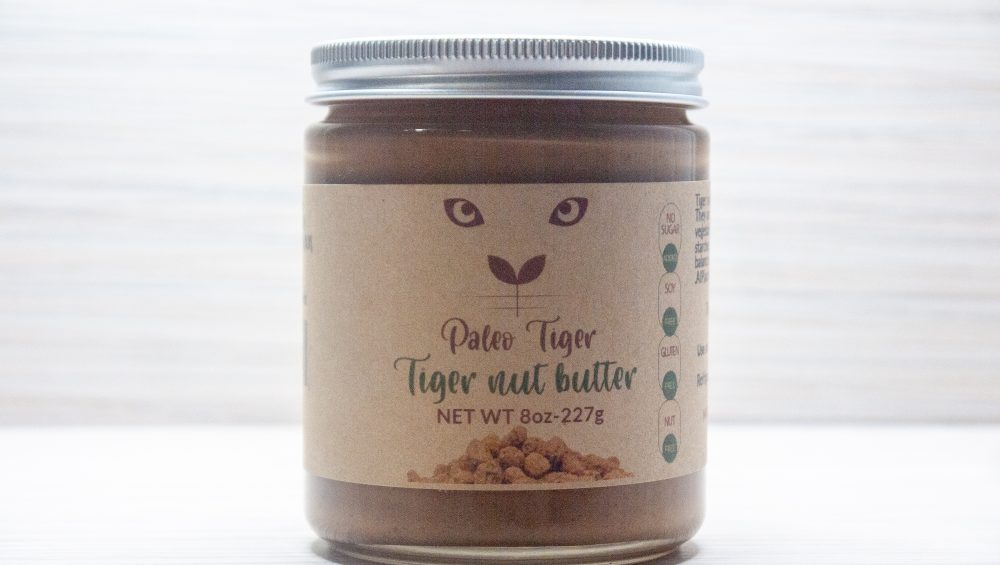
5. Tiger Nut Butter
Why It’s Great: Despite its name, tiger nut butter is completely nut-free. Made from tiger nuts—small, nutrient-dense tubers—it’s a fantastic option for people with nut allergies. Tiger nut butter has a slightly sweet, earthy flavor and a creamy consistency, plus it’s high in fiber and essential minerals like iron and magnesium.
How to Use: Use tiger nut butter as a spread on toast, stir it into oatmeal, or blend it into smoothies. It can also be used in baking as a substitute for nut butters in cookies, muffins, and bars.
6. Hemp Seed Butter
Why It’s Great: Hemp seed butter is made from hulled hemp seeds and offers a greenish tint with a mild, nutty flavor. It’s a good source of protein, omega-3 fatty acids, and essential amino acids, making it a nutrient-dense option.
How to Use: Spread hemp seed butter on toast or rice cakes, or mix it into smoothies and salad dressings for an added boost of nutrients. Its unique flavor works well in savory dishes and can be blended into dips or sauces.
7. Pea Protein Butter
Why It’s Great: Pea protein butter is a newer option on the market that’s made from pea protein isolate, offering a smooth texture and a slightly savory flavor. It’s naturally nut-free, high in protein, and low in sugar, making it a good option for those looking for a protein-rich, nut-free spread.
How to Use: Use pea protein butter as a spread on sandwiches or as a dip for veggies. It also works well in savory dishes like sauces or stir-fries, adding a creamy consistency and extra protein.
8. Tahini (Sesame Seed Butter)
Why It’s Great: Tahini, made from ground sesame seeds, is a staple in Middle Eastern and Mediterranean cuisines. It’s a great source of calcium, iron, and healthy fats, and it has a rich, slightly bitter taste that adds depth to a variety of recipes.
How to Use: Spread tahini on toast with a drizzle of honey, add it to salad dressings, or use it as a base for homemade hummus. Its creamy texture also makes it a good ingredient in baking recipes or as a topping for roasted vegetables.
9. Watermelon Seed Butter
Why It’s Great: Watermelon seed butter is a unique and relatively new nut-free option. Made from roasted watermelon seeds, it’s smooth and mildly nutty in flavor, with a rich source of protein, iron, and magnesium.
How to Use: Use watermelon seed butter as a spread, blend it into smoothies, or use it in baking. Its subtle taste makes it a versatile option for both sweet and savory dishes.
With so many nut-free butter options available, it’s easier than ever to enjoy creamy, nutritious spreads without any worry of allergens. Each option offers its own unique flavor and nutritional benefits, so you can explore which ones you enjoy most. From the earthy notes of pumpkin seed butter to the natural sweetness of coconut butter, these alternatives provide delicious ways to add variety and nutrition to your meals, all while keeping your diet nut-free. Try them out, and discover your favorite nut-free butter substitute today!