
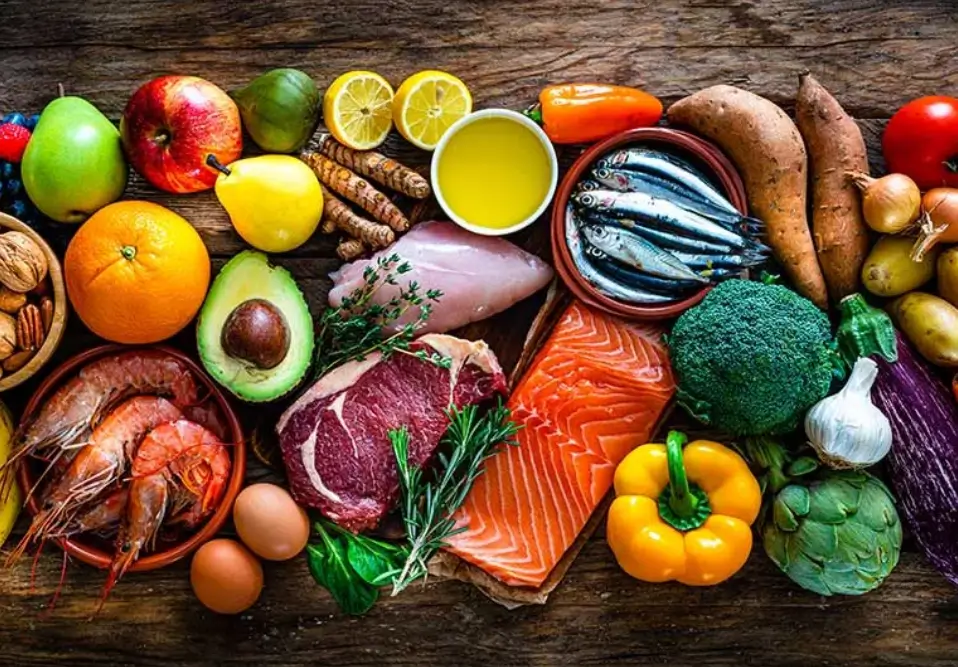
Paleo Diet and Gut Health: What the Research Says About Your Microbiome
Quick answer: A paleo diet can support gut health when it is full of vegetables, fruit, tubers and fiber, because gut bacteria feed on fiber. But research shows that a strict, low-carb, meat-heavy version of paleo may lower fiber and resistant starch and change the microbiome in less helpful ways. The fix is simple: keep paleo plant-heavy and include starchy tubers such as sweet potatoes, cassava and tiger nuts.
“Caveman eating” is often marketed as automatically gut-friendly. The real picture is more interesting. This guide explains how the paleo diet affects the gut microbiome, what one of the most-cited studies found, and how to build a paleo plate that feeds your gut bacteria well.

What is the gut microbiome?
Your gut microbiome is the community of trillions of bacteria and other microbes living mostly in your large intestine. They break down fiber you can’t digest and produce short-chain fatty acids, compounds that nourish the cells lining the colon. Diet is one of the strongest everyday influences on which microbes thrive.
How the paleo diet changes what reaches your gut
| Paleo change | Possible gut effect |
|---|---|
| Removes ultra-processed food and added sugar | Often positive: more whole food, fewer additives |
| Removes whole grains and legumes | Removes two big fiber sources unless replaced |
| More vegetables and fruit | Positive: more varied plant fiber |
| More meat and eggs | Neutral to negative if it crowds out plants |
| Includes tubers and roots | Positive: starch and resistant starch for bacteria |
So the same label, “paleo,” can describe a gut-friendly diet or a low-fiber one. It depends on what fills the plate.
What the research found
A 2019 study compared people who had followed a paleo diet long-term with people on a typical Australian diet. The paleo group ate less resistant starch, had different gut bacteria, and had higher blood levels of TMAO, a compound linked to heart health risk in other research. People who ate no grains at all had the highest TMAO levels (Genoni et al., 2019).
This was an observational study, so it can’t prove cause and effect. But it gives a clear lesson: paleo followers who drop grains need to replace that fiber and resistant starch with other plant foods.
Other paleo trials have focused on weight and blood sugar rather than gut bacteria, and they were mostly small and short (Manheimer et al., 2015). Big claims that paleo “heals the gut” go beyond the evidence.
6 ways to make paleo better for your gut
1. Aim for 30 different plants a week
Count vegetables, fruit, herbs, spices and tubers. Variety feeds a wider range of microbes.
2. Eat a starchy tuber every day
Sweet potato, cassava, taro, plantain, winter squash and tiger nuts all fit paleo. Cooked and cooled potatoes and cassava develop more resistant starch. See cassava nutrition, yuca and AIP sweet potato.
3. Add tiger nuts for resistant starch and fiber
Tiger nuts are small tubers, not nuts. They are naturally high in fiber and contain resistant starch. Easy ways to use them:
- Sprinkle Paleo Tiger Tiger Nut Granola on fruit or coconut yogurt.
- Snack on Whole Tiger Nuts, soaked overnight if you find them hard.
- Bake with Tiger Nut Flour instead of almond flour.
- Spread Original Tiger Nut Butter on apple slices.
Read more in health benefits of tiger nuts.
4. Include fermented foods
Sauerkraut, kimchi (check for chili if you avoid nightshades), coconut yogurt with live cultures, and kombucha add live microbes. Evidence on probiotics is mixed and depends on the strain (NCCIH probiotics), but fermented foods are a simple, food-first option.
5. Balance meat with plants
Fill half the plate with vegetables, a quarter with protein, and a quarter with starchy tubers or fruit.
6. Increase fiber slowly
Adding a lot of fiber at once can cause gas and bloating. Increase over two to three weeks and drink more water (NIDDK gas).
How to boost resistant starch in paleo meals
Resistant starch changes with cooking and cooling. A few kitchen habits raise it without changing what you eat:
- Cook and cool tubers. Roast or boil sweet potatoes, cassava or white potatoes (if you eat them), then chill them overnight. Reheating gently keeps much of the resistant starch.
- Use slightly green bananas and plantains. Less-ripe plantains contain more resistant starch than very ripe ones. Slice and pan-fry them, or blend a small piece into smoothies.
- Add tiger nuts raw or lightly toasted. Tiger nut granola, whole tiger nuts and tiger nut flour in no-bake recipes are easy daily sources.
- Make a cold tuber salad. Toss cooled cubed sweet potato with olive oil, lemon, herbs, spinach and a sprinkle of tiger nut granola for crunch.
Simple gut-friendly tiger nut breakfast bowl
- 3/4 cup coconut yogurt with live cultures
- 1/2 cup mixed berries
- 1/3 cup tiger nut granola
- 1 teaspoon ground flaxseed (skip for AIP)
- A drizzle of tiger nut butter
Start with half a portion of granola if you’re new to tiger nuts, then build up over a couple of weeks.
A gut-friendly paleo day
| Meal | Example | Gut-friendly parts |
|---|---|---|
| Breakfast | Coconut yogurt, berries, tiger nut granola | Fiber, resistant starch, live cultures |
| Lunch | Big salad with salmon, avocado, roasted cooled sweet potato | Varied plants, resistant starch |
| Snack | Apple with tiger nut butter | Fiber |
| Dinner | Chicken, roasted root vegetables, sauerkraut | Tubers, fermented food |
More ideas are in top paleo snacks for a healthy gut and the morning trio routine.
Signs your paleo diet may be low in fiber
- Constipation or hard stools
- Feeling hungry soon after meals
- Meals that are mostly meat, eggs and fat
- Few starchy vegetables or fruit in a typical day
If you have ongoing digestive symptoms, such as pain, blood in the stool or weight loss, see a doctor. Diet changes are not a substitute for diagnosis.
Paleo vs other diets for gut health
| Diet | Fiber sources | Gut note |
|---|---|---|
| Typical Western | Low; refined grains | Often low in fiber |
| Paleo (plant-heavy) | Vegetables, fruit, tubers | Can be high in fiber |
| Paleo (meat-heavy, low-carb) | Few | May lower fiber and resistant starch |
| Mediterranean | Whole grains, legumes, plants | Well-studied for health |
If you’re deciding between plans, see paleo vs keto.
FAQ
Is the paleo diet good for gut health?
It can be when it’s rich in vegetables, fruit and tubers. A meat-heavy, low-carb version may lower fiber and resistant starch.
Does paleo change your microbiome?
Yes. A 2019 study found long-term paleo followers had different gut bacteria and ate less resistant starch than people on a typical diet.
What is resistant starch?
It’s starch that escapes digestion in the small intestine and feeds bacteria in the colon. Cooked and cooled tubers and tiger nuts contain it.
Are tiger nuts paleo?
Yes. Tiger nuts are tubers, which fit paleo, and they’re a source of fiber and resistant starch.
Can paleo heal leaky gut?
There’s no strong evidence that paleo heals “leaky gut.” Talk to a doctor about ongoing gut symptoms.
How much fiber should I eat on paleo?
US guidelines suggest about 14 g of fiber per 1,000 calories (Dietary Guidelines), which is about 25–34 g for most adults.
What fermented foods are paleo?
Sauerkraut, kimchi, coconut yogurt with live cultures, kombucha and fermented vegetables.