

Top 10 Challenges People Face on the AIP Diet
Quick answer: The biggest AIP diet challenges are the strict food list, cravings in the first weeks, meal-prep fatigue, finding quick breakfasts and snacks, eating out and social events, cost, reading labels, getting enough food and nutrients, staying motivated when results are slow and knowing how to reintroduce foods. Each gets easier with a simple plan: batch cooking, a few reliable staples, a symptom diary and support from your doctor or a dietitian.
The autoimmune protocol (AIP) asks a lot. You remove grains, legumes, dairy, eggs, nuts, seeds, nightshades, coffee, alcohol and most processed food, usually for 30 to 90 days. Here’s how to handle the hard parts.
1. The food list feels overwhelming
The challenge: so many foods are out that it’s hard to see what’s left.
What helps: flip the list. Write down what you *can* eat: meat, fish, vegetables (except nightshades), fruit, olive, avocado and coconut oil, herbs, and tubers like sweet potato, cassava, taro and tiger nuts. Start from our essential foods for starting AIP and AIP diet overview. Some people start with a modified AIP and remove a few groups first.
2. Cravings and the “AIP flu”
The challenge: the first week often brings cravings, headaches and tiredness. People call it “AIP flu,” but it isn’t a medical condition. Common causes are caffeine withdrawal, eating too little and a sudden change in carbohydrates and fiber.
What helps: taper coffee before you start, eat enough starch and keep satisfying snacks ready. Read what happens in the first 30 days of AIP.
3. Meal-prep burnout
The challenge: cooking almost everything from scratch is tiring.
What helps:
- Batch cook twice a week: one protein, one tray of roasted vegetables, one soup
- Cook once, eat three times: roast chicken becomes salad and soup
- Keep five go-to dinners and rotate them
- Use frozen vegetables to cut chopping time
4. Breakfast without eggs, oats or toast
The challenge: most familiar breakfasts are off the list.
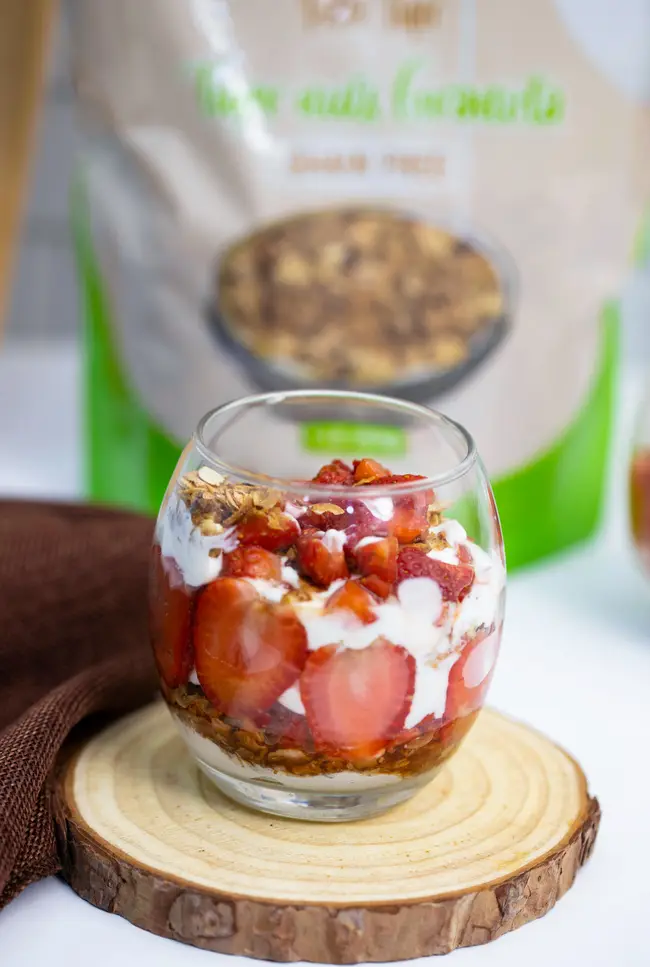
What helps: think of breakfast as any meal. Leftovers, sausage patties with greens, sweet potato hash, smoothies, or tiger nut flour pancakes all work. A bowl of tiger nut granola with coconut yogurt is quick if the label fits your phase. More ideas: 5-minute AIP breakfasts.
5. Snacks on the go
The challenge: most packaged snacks contain nuts, seeds, grains or dairy.
What helps: pack fruit, cucumber or carrot sticks, leftover meat, plantain chips (check the oil), whole tiger nuts or single portions of tiger nut butter with apple slices. See AIP snacks for travel, work and busy days.
6. Eating out and social events
The challenge: restaurants, parties and family meals are hard to navigate.
What helps:
- Check menus ahead and choose simple grilled meat or fish with plain vegetables
- Ask for olive oil and lemon instead of sauces
- Eat before you go, or bring a dish to share
- Explain briefly that you’re on a short medical elimination diet
Read eating out on AIP and our AIP game-day food ideas.
7. Cost
The challenge: specialty AIP products are expensive.
What helps: build meals on cheap staples such as root vegetables, frozen produce, whole chickens and canned fish, and buy only a few specialty items you’ll use daily. See our budget AIP grocery list.
8. Reading labels
The challenge: seed spices, nightshade powders, gums and sweeteners hide in sauces, sausages, spice blends and “paleo” snacks.
What helps: read every ingredient list, avoid vague “spices,” and keep a short list of products you’ve already checked. The FDA’s food label guide explains the Nutrition Facts panel. See common AIP mistakes.
9. Getting enough food and nutrients
The challenge: removing many foods can leave meals small and low in calcium, fiber or energy.
What helps: include protein, vegetables, a starchy food and fat at every meal. Raise fiber gradually as MedlinePlus advises. If you’re losing weight you don’t want to lose, or the diet has become very narrow, talk to your doctor or a registered dietitian. The Dietary Guidelines are a useful reference for overall balance.
10. Slow results and reintroduction
The challenge: it can take weeks to notice anything, and reintroduction feels confusing.
What helps: keep a daily 0-10 symptom diary, give it several weeks, and review it with your clinician. The published AIP studies are small pilots that ran 10 to 11 weeks (IBD, 2017; Hashimoto’s, 2019), so a month may be too short to judge. When you’re ready, reintroduce one food at a time with our AIP reintroduction guide. See signs AIP is working.
Quick fixes at a glance
| Challenge | Quick fix |
|---|---|
| Overwhelming food list | Write a “can eat” list; consider modified AIP |
| Cravings, “AIP flu” | Taper caffeine, eat enough starch |
| Meal-prep burnout | Batch cook twice a week |
| Breakfast | Leftovers, hash, granola, pancakes |
| Snacks | Fruit, veg sticks, tiger nuts |
| Eating out | Simple grilled dishes, oil and lemon |
| Cost | Cheap staples, few specialty items |
| Labels | Read every ingredient list |
| Nutrients | Balanced plates, dietitian support |
| Slow results | Symptom diary, give it weeks |
A few staples that make AIP easier
Tiger nuts are tubers, not nuts, so they fit the elimination phase and replace several foods people miss most:
- Baking: tiger nut flour for pancakes, muffins and breading. Try our tiger nut flour recipe
- Spreads: Original, Cinnamon or Crunchy tiger nut butter
- Breakfast: tiger nut granola
- Dressings: tiger nut oil
They’re high in fiber, so start small. Paleo Tiger butters contain coconut oil, so skip them if you avoid coconut. Browse everything in the Paleo Tiger shop.
A sample week that tackles the hard parts
| Day | Breakfast | Lunch | Dinner |
|---|---|---|---|
| Mon | Sweet potato hash with sausage | Leftover roast chicken salad | Beef and vegetable stir-fry |
| Tue | Tiger nut granola with coconut yogurt | Chicken soup | Baked salmon, roasted carrots |
| Wed | Tiger nut flour pancakes | Salmon and avocado bowl | Slow-cooked pork with cabbage |
| Thu | Leftover pork and greens | Pork lettuce wraps | Turkey meatballs, zucchini noodles |
| Fri | Smoothie with tiger nut butter | Meatball soup | Grilled fish, cauliflower mash |
| Sat | Banana and carob butter bowl | Eat-out: grilled meat, plain veg | Roast chicken, root vegetables |
| Sun | Batch-cook day brunch | Leftovers | Leftovers |
Use it as a template and swap in foods you enjoy. Check every packaged item and seasoning for seeds and nightshades.
Getting support
AIP is easier with people on your side. Tell the people you live with what you’re doing and for how long, ask your doctor for a dietitian referral, and keep notes of meals that worked so you can repeat them.
Frequently asked questions
Why is the AIP diet so hard?
It removes many common foods at once, so you cook more, plan more and read more labels. It usually gets easier after the first two weeks as routines form.
What is AIP flu?
An informal name for tiredness, headaches and cravings in the first week. It isn’t a medical diagnosis; caffeine withdrawal and eating too little are common causes.
How do I stay on AIP when eating out?
Choose simple grilled meat or fish with plain vegetables, ask for olive oil and lemon instead of sauces, and eat before social events if needed.
What can I snack on during AIP?
Fruit, vegetable sticks, leftover meat, plantain chips with compliant oil, whole tiger nuts and tiger nut butter with apple slices.
How long do I have to stay on strict AIP?
Usually 30 to 90 days before reintroduction. Agree the length with your doctor or dietitian.
The bottom line
Every AIP diet challenge has a practical fix. Plan ahead, batch cook, keep a few reliable staples, read labels and get support. Track your symptoms honestly, and remember that the elimination phase is temporary: the goal is to learn which foods you can bring back.