
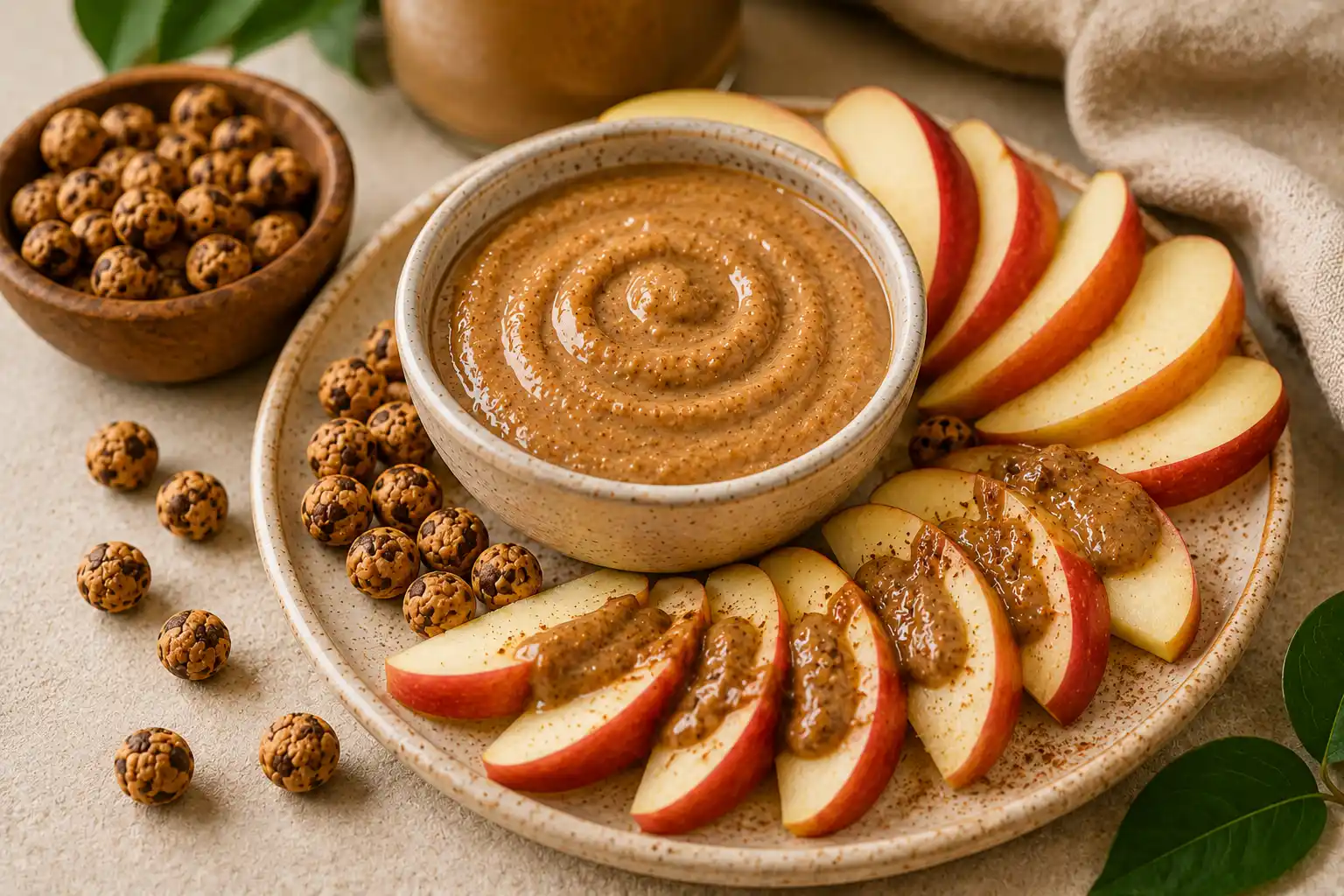
The world of spreads has expanded well beyond the classic jar of peanut butter sitting on your pantry shelf. Today, health-conscious eaters, allergy sufferers, and followers of specialized diets like AIP and Paleo are increasingly turning to a remarkable alternative, tiger nut butter. But how does it actually stack up against the beloved peanut butter in terms of nutrition, taste, health benefits, and overall suitability for your lifestyle?
In this comprehensive guide, we break down everything you need to know about tiger nut butter vs peanut butter, from detailed nutritional data to real-world taste comparisons, allergen profiles, and diet-specific advantages. Whether you are looking for a healthy peanut butter alternative, searching for the best nut butter substitute for AIP, or simply curious about what tigernut butter brings to the table, this guide has you covered. You can buy thisonline directly from Paleo Tiger, one of the most trusted sources for natural tiger nut butter in the United States.
What Is Tiger Nut Butter?
It is a creamy, naturally sweet spread made from tiger nuts, small, starchy tubers that have been consumed by humans for thousands of years. Despite the name, tiger nuts are not nuts at all. They are the underground tubers of the Cyperus esculentus plant, makingit completely tree nut-free and peanut-free. To learn the full story, read the Paleo Tiger guide: What Are Tiger Nuts? and Exploring the benefits and uses of tiger nuts.
The original it delivers a mildly sweet, nutty flavor similar to almonds or cashews, a smooth to slightly gritty texture depending on processing style, and a rich nutritional profile packed with prebiotic fiber, heart-healthy fats, and essential minerals. Whether you are looking for a tiger nut spread or a full jar to use daily, Paleo Tiger has you covered.
What Is Peanut Butter?
Peanut butter is a spread made from ground, dry-roasted peanuts. Despite its name and widespread use as a nut butter, peanuts are actually legumes, members of the bean and lentil family, not true tree nuts. Peanut butter is one of the most widely consumed spreads in the world and is well-known for its high protein content, calorie density, and distinctive savory-sweet flavor. However, it comes with several critical limitations for health-focused consumers:
- Peanuts are one of the top 9 major food allergens in the US, a potential life-threatening risk for many people
- Most commercial peanut butter products contain added sugars, hydrogenated oils, and artificial preservatives
- Peanuts can harbor aflatoxins, mold-derived compounds associated with liver damage and oxidative stress
- Peanuts are a notable source of lectins and phytic acid, which may contribute to gut inflammation and reduced mineral absorption
- Peanut butter is not compliant with AIP, Paleo, many elimination diets, or most autoimmune disease management protocols
For those seeking a healthy peanut butter alternative or a true AIP nut butter substitute, peanut butter is not the answer. Explore the complete guide: Peanut butter alternatives for the AIP diet.
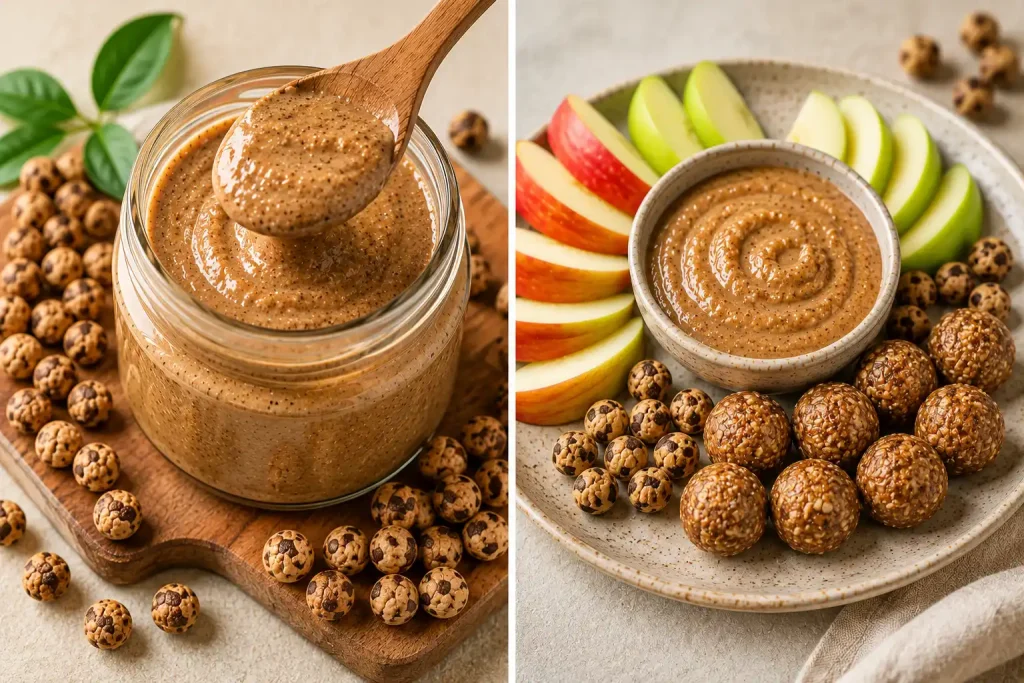
Tiger Nut Butter vs Peanut Butter: Full Nutrition Comparison
Let us look at what the data actually shows. The table below compares the nutritional profiles of this and standard peanut butter per 2-tablespoon (32g) serving. These nutrition facts tell a compelling story about which spread better serves your health goals:
| Nutrient | Tiger Nut Butter (2 tbsp) | Peanut Butter (2 tbsp) |
| Calories | 160 kcal | 188 kcal |
| Total Fat | 10g | 16g |
| Saturated Fat | 1.5g | 3g |
| Carbohydrates | 16g | 6g |
| Dietary Fiber | 4g (2x peanut butter) | 2g |
| Prebiotic Fiber / Resistant Starch | High (inulin + RS) | None |
| Protein | 2g | 8g |
| Sugar | 4g (natural only) | 3g (often added) |
| Sodium | 0 mg | 147 mg |
| Vitamin E | Excellent source | Moderate source |
| Oleic Acid (heart-healthy fat) | High | Low |
| Omega-6 Fatty Acids | Low | High (pro-inflammatory) |
| Allergen | None, 100% allergen-free | Peanut (top allergen) |
| AIP Compliant | YES | NO |
| Paleo Compliant | YES | NO (legume) |
| Lectin Content | None | Moderate to High |
| Aflatoxin Risk | None | Possible |
| Prebiotic Benefits | YES, inulin & resistant starch | NO |
It wins decisively on allergen safety, dietary compliance (AIP and Paleo), prebiotic fiber content, omega-6 balance, and inflammation profile. Peanut butter maintains an edge in protein per serving, but that advantage comes with significant trade-offs, particularly for allergy-sensitive individuals, gut health seekers, and those following specialty therapeutic diets. The nutrition profile is uniquely suited to supporting modern dietary and autoimmune health goals.
Tiger Nut Butter Health Benefits vs Peanut Butter
Tiger nut butter health benefits extend far beyond basic macronutrients. Here is a detailed breakdown of the five key areas where it clearly outperforms peanut butter as a spread choice for health-focused consumers:
1. Prebiotic Fiber and Gut Health
This benefits for gut health are among its most outstanding and scientifically validated features. Tiger nuts are one of the richest natural sources of inulin (a soluble prebiotic fiber) and resistant starch (RS), both of which selectively feed beneficial gut bacteria, support a healthy and diverse microbiome, reduce bloating, and improve bowel regularity. This makes this one of the few spreads that actively works as a prebiotic food rather than just a source of calories.
2. Allergen Safety for Every Member of the Family
This is 100% nut-free, peanut-free, dairy-free, gluten-free, and seed-free making it one of the safest spreads available for allergy-sensitive individuals of all ages. This is particularly important for parents seeking safe snacks for children in nut-free school environments. Peanut butter, by contrast, is derived from one of the most common and potentially life-threatening food allergens. Learn more: the safe nut-free alternative for allergy-sensitive kids, Why tiger nut butter is the top choice for people with nut allergies, and Tiger nut butter: a safe and tasty alternative for nut-intolerant diets.
3. Anti-Inflammatory Fatty Acid Profile
The nut avocado oil butter benefits include a highly favorable fatty acid composition rich in monounsaturated oleic acid (the same heart-healthy fat found in extra virgin olive oil) with essentially zero lectins or aflatoxins. This makes natural nut butter one of the least inflammatory spreads available. Peanut butter, by contrast, is disproportionately high in omega-6 fatty acids, which can promote chronic systemic inflammation when consumed in excess. Combined with its lectin and aflatoxin content, peanut butter carries a significantly higher inflammatory burden than nut butter for sensitive individuals.
4. Digestive Enzyme Support
Tiger nuts have been used to support healthy digestion across multiple traditional cultures for centuries. They naturally contain digestive enzymes including lipase (for fat breakdown), amylase (for starch breakdown), and catalase (an antioxidant enzyme), which support better overall nutrient absorption and digestive comfort. This enzymatic activity is a unique benefit not found in peanut butter or most conventional nut butters.
5. Vitamins, Minerals, and Antioxidants
A full review of tiger nut butter nutrition facts reveals impressive levels of Vitamin E (a powerful antioxidant supporting immune health and skin integrity), magnesium (critical for muscle function and stress response), potassium (heart health and electrolyte balance), zinc (immunity and wound healing), and phosphorus (bone health). It also provides meaningful amounts of Vitamins C and B-complex. Explore the full breakdown: Incredible health benefits of nut butter and 10 amazing health benefits of nut butter.
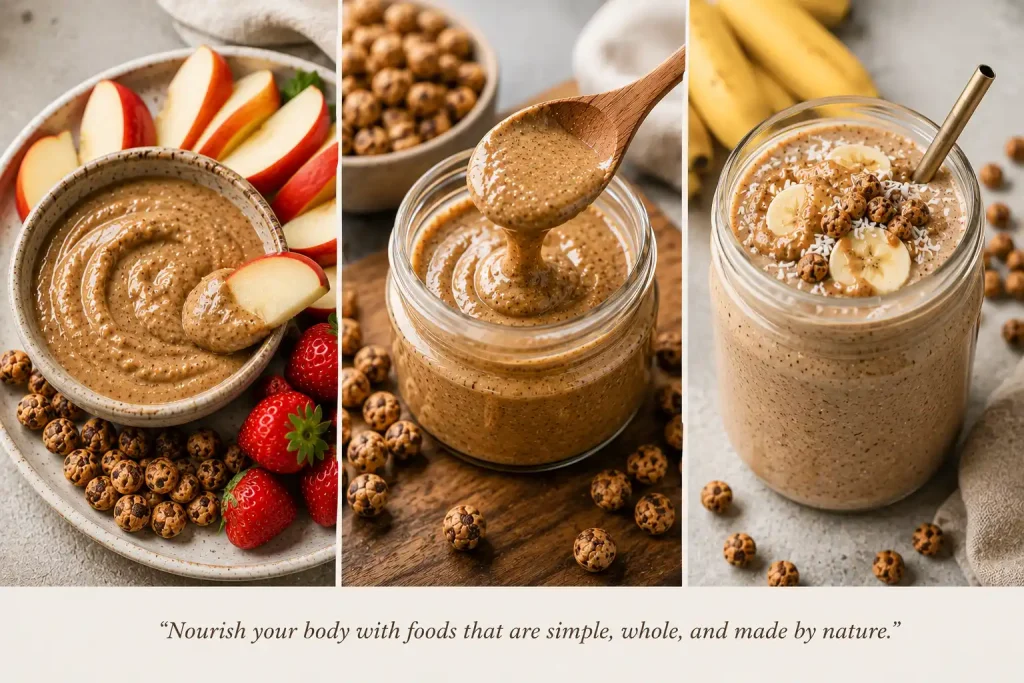
Pros and Cons: Tiger Nut Butter vs Peanut Butter
Here is a comprehensive, side-by-side comparison covering the key strengths and weaknesses of nut butter versus peanut butter, so you can make the most informed decision for your health and lifestyle:
| TIGER NUT BUTTER | PEANUT BUTTER |
| PROS ✅ AIP and Paleo fully compliant ✅ 100% nut-free, peanut-free, allergen-safe ✅ Rich in prebiotic fiber (inulin & resistant starch) ✅ Anti-inflammatory fatty acid profile (oleic acid) ✅ Naturally sweet — zero added sugars needed ✅ Heart-healthy monounsaturated fats ✅ Zero lectins and zero aflatoxins ✅ School-safe for children with nut allergies | PROS ✅ High protein content (8g per 2 tbsp) ✅ Widely available and budget-friendly ✅ Bold, familiar savory-sweet flavor ✅ Many commercial varieties available |
| CONS ⚠️ Lower protein per serving (2g vs 8g) ⚠️ Higher natural carbohydrate content ⚠️ Less widely stocked in mainstream stores ⚠️ May carry a slightly higher price point | CONS ❌ Top-9 allergen, potentially life-threatening ❌ Excluded from AIP diet (classified as legume) ❌ Not Paleo compliant ❌ High omega-6 fatty acids (pro-inflammatory) ❌ May harbor lectins and aflatoxins ❌ Most commercial brands add sugars and oils ❌ Can trigger gut inflammation and leaky gut ❌ Not suitable for many school environments |
This comparison makes it clear why thishas emerged as the preferred choice among health-conscious consumers, AIP and Paleo followers, allergy-affected families, and anyone seeking a superior peanut butter alternative buy online. The cons of nut butter are largely practical considerations, not health concerns, while the cons of peanut butter are directly tied to allergen risk and inflammatory potential.
Which Is Better for AIP and Paleo Diets?
If you are following the Autoimmune Protocol (AIP) or Paleo diet, the comparison is unambiguous: This is the clear and only compliant choice. Key resources to explore:
Is this AIP friendly? Benefits, nutrition, and how to use it
Best AIP nut butter alternatives: complete guide
Tiger nuts: excellent for AIP and Paleo diet
The AIP diet excludes ALL legumes (including peanuts), all tree nuts, all seeds, and all grains. Since tiger nuts are technically tubers, classified as root vegetables, this is fully and unambiguously compliant with the protocol. It is one of the only spreads that can safely replace conventional nut butters on both strict AIP and Paleo plans without any compromise or grey area.
Paleo nut butter also sits perfectly within the ancestral eating framework. Archaeological evidence from sub-Saharan Africa indicates tiger nuts formed a central part of early Homo sapiens’ diet for hundreds of thousands of years, arguably making this one of the most genuinely paleo foods on the planet. Read: Uncovering the origins and history of tiger nuts and Including tiger nut butter in your AIP or Paleo diet.
For the AIP diet specifically, also see: Essential foods for starting the AIP diet, What is the autoimmune protocol diet?, and AIP snacks vs Paleo snacks: key differences explained.
What Does Tiger Nut Butter Taste Like?
One of the most common questions about this is: what does tiger nut butter taste like? The answer might pleasantly surprise you, and likely convert you from peanut butter for good.
This has a naturally sweet, earthy, mildly nutty flavor, most often described as a pleasant blend of almond butter and cashew butter with a subtle background hint of vanilla or mild coconut. The natural sweetness comes entirely from the fructose and sucrose present in tiger nuts themselves, meaning no added sweeteners are needed to make this spread delicious. Explore the complete guide: What does tiger nut taste like? A complete flavor guide.
The texture varies by brand and processing method, ranging from silky smooth and creamy to lightly grainy or slightly chunky. Paleo Tiger’s natural tiger nut butter achieves a pleasing balance: creamy enough to spread easily with a mild earthiness that reminds you it is a genuinely whole-food product. Compared to peanut butter’s bold, savory-salty profile, is lighter, sweeter, and more versatile, equally at home on sweet breakfast foods as it is in savory sauces or dressings. See also: Tiger nut butter vs almond butter vs sunflower butter: a comparison.
How to Use Tiger Nut Butter
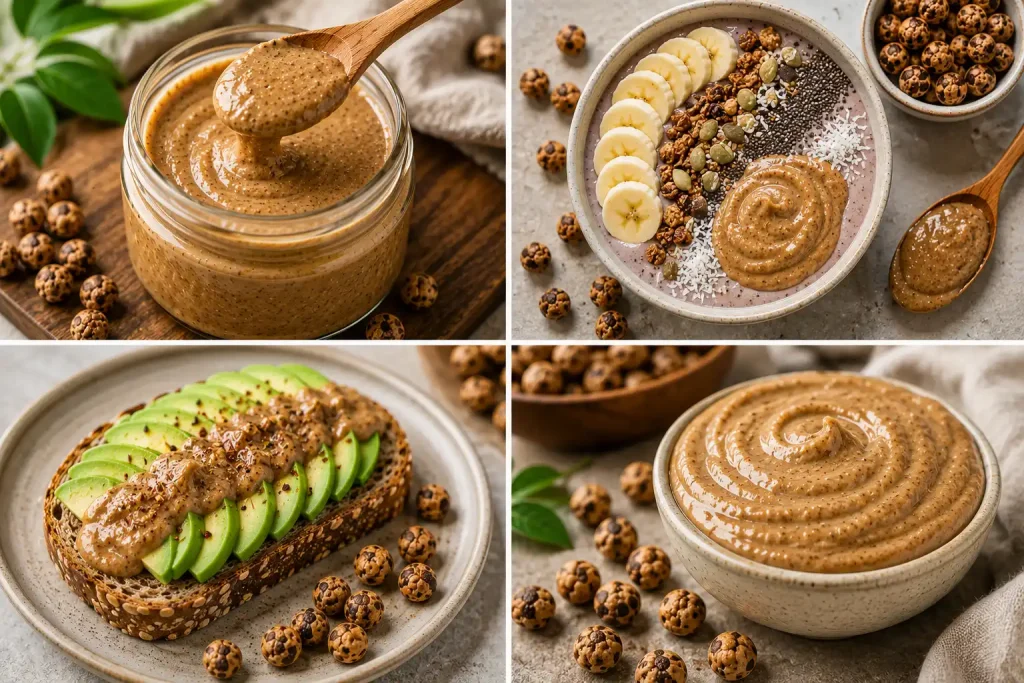
There are countless creative and practical ways to enjoy this across your daily diet. Here are 8 popular recipe ideas to get you started:
- Spread generously on rice cakes, AIP crackers, or grain-free bread for a direct peanut butter alternative at any meal
- Blend into smoothies for natural creaminess, added prebiotic fiber, and a gentle sweetness without added sugar
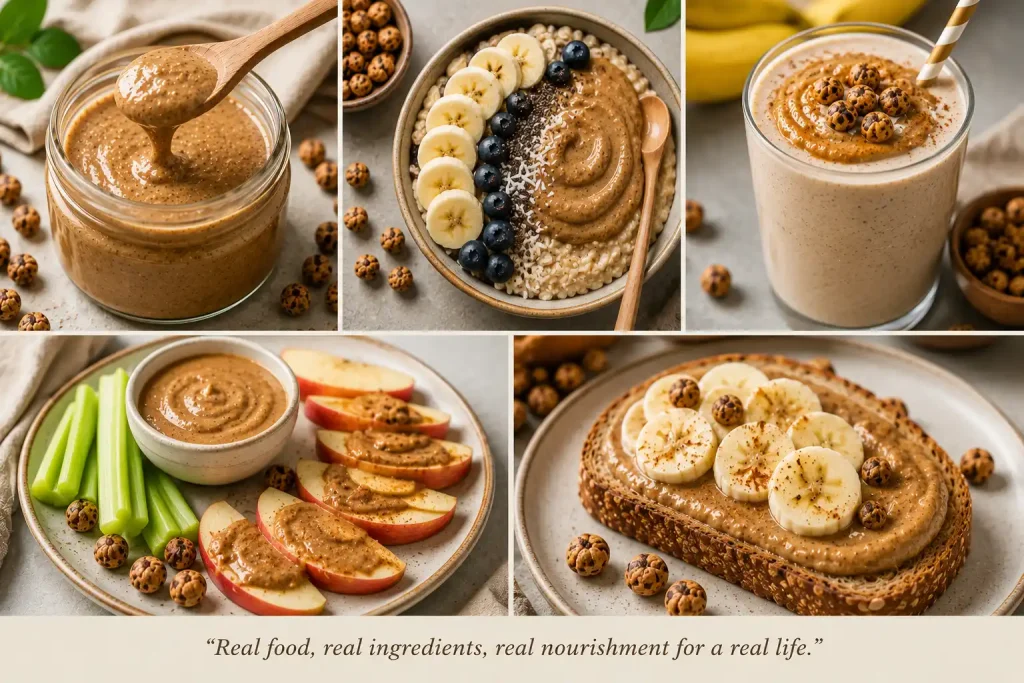
- Use as a dip for apple slices, celery sticks, carrot batons, or sliced cucumber, a perfect gut-healthy snack
- Stir into grain-free hot cereal, AIP-compliant porridge, or warm seed-free granola alternatives
- Bake into AIP-friendly muffins, energy balls, cookies, or snack bars using your favorite recipe ideas
- Whisk into a sauce with coconut aminos and ginger for stir-fries, grain-free noodles, or Buddha bowls
- Pair a spoonful with herbal tea for an afternoon gut-healthy, prebiotic-rich snack combination
- Use as a base for homemade no-bake protein bars and snack bites, replacing peanut butter as the binding ingredient
The impressive versatility of this makes it an effortless drop-in replacement for peanut butter in virtually any recipe or meal context. With its natural sweetness, it actually outperforms peanut butter in sweet applications without requiring additional sweeteners, a meaningful advantage for those managing sugar intake or following AIP elimination guidelines.
Is Tiger Nut Butter Healthy? Key Statistics and Research
Research and real-world data consistently affirm the health credentials of tiger nut butter. The following research-backed statistics highlight why this stands apart from conventional spreads:
| Tiger nuts contain up to 36g of dietary fiber per 100g, significantly higher than most conventional nut butters and seeds |
| Studies show tiger nut consumption can increase Bifidobacterium and Lactobacillus populations (key beneficial gut bacteria) by up to 40% |
| A 2012 study in the Journal of Food Science identified tiger nuts as among the highest plant-based sources of monounsaturated oleic acid |
| The resistant starch in tiger nuts produces a significantly lower glycemic response than wheat-based foods, white rice, or standard peanut butter |
| Over 90% of AIP and Paleo diet followers report difficulty finding compliant spreads, tiger nut butter is one of very few solutions |
| Tiger nuts have been part of the human diet for over 30,000 years, with documented consumption dating back to ancient Egypt (circa 4000 BCE) |
| Tiger nut butter delivers 4g of prebiotic fiber per serving, double the dietary fiber found in standard peanut butter (2g per serving) |
| Tiger nuts are classified as a ‘functional food’ by food scientists for their unique combination of prebiotic fiber, resistant starch, and oleic acid |
These statistics represent a compelling evidence base supporting tiger nut butter health benefits across multiple dimensions of wellness. For deeper research exploration, visit: The science behind this, Brain health with tiger nut butter, The role of tiger nuts in clean eating: a nutritional powerhouse, and Your digestive system will thank you: why you need resistant starch.
Tiger Nut Butter vs Almond Butter vs Peanut Butter: Quick Comparison
How does this compare against other popular alternative spreads? This three-way comparison table tells the full story:
| Feature | Tiger Nut Butter | Almond Butter | Peanut Butter |
| AIP Compliant | YES | No | No |
| Paleo Compliant | YES | Yes | No |
| Nut-Free | YES | No | No |
| Allergen Risk | Very Low | Moderate | High |
| Prebiotic Fiber | High | Low | None |
| Protein (2 tbsp) | 2g | 7g | 8g |
| Primary Fat Type | Monounsaturated (oleic) | Monounsaturated (oleic) | Mixed / high omega-6 |
| Natural Sweetness | Yes | Mild | No |
| Lectins | None | Low | Moderate-High |
| Best Suited For | AIP, Paleo, Allergies | Paleo, general health | General use only |
This expanded comparison confirms that tiger nut butter holds a unique and unmatched position in the spread category, it is the only choice that is simultaneously AIP-compliant, allergen-free, prebiotic-rich, and inflammation-friendly. For a full breakdown, read: Tiger nut butter vs almond butter vs sunflower butter: a full comparison and Tiger nuts vs peanuts: which butter is better for you?.
Where to Buy Tiger Nut Butter
Wondering where to buy tiger nut butter or how to find tiger nut butter for sale near you? Here are your best options for sourcing high-quality tiger nut butter online and in-store:
Online, The Best and Most Reliable Option
The most convenient and freshest way to access tiger nut butter is online. Buy tiger nut butter online directly through the Paleo Tiger website for the certified original tiger nut butter, crafted with clean, minimal ingredients and available for fast shipping across the United States. The tiger nut butter product page features full ingredient details, complete tiger nut butter nutrition facts, and verified customer reviews. This is also the best place to access paleo tiger nut butter and learn about all available product options.
Retail Stores
Tiger nut butter Whole Foods and tiger nut butter Sprouts locations carry tiger nut products in select US markets, though in-store availability varies by region and can change. For the most consistent access, online ordering remains the most reliable option. Explore: Tiger nuts at Whole Foods: a superfood staple you should not ignore.
When purchasing any tiger nut butter product, look for organic tiger nut butter brands with a clean, minimal ingredient label — ideally just tiger nuts and avocado oil, with zero added sugars, fillers, maltodextrin, or inflammatory seed oils. Paleo Tiger’s aip tiger nut butter meets all of these criteria and is widely regarded as the best tiger nut butter available for AIP, Paleo, and allergy-sensitive consumers. It is also available as a tiger nut butter online order with delivery to your door.
Conclusion
When it comes to tiger nut butter vs peanut butter, the evidence consistently and decisively points in one direction. For anyone prioritizing gut health, allergen safety, anti-inflammatory eating, and dietary compliance with AIP or Paleo protocols, tiger nut butter is the superior choice across virtually every meaningful health and lifestyle metric.
Tiger nut butter is the ideal choice for:
- AIP and Paleo dieters seeking a fully compliant, satisfying, and delicious daily spread
- Individuals and families managing nut, peanut, seed, or multiple food allergies
- Anyone seeking a prebiotic-rich, whole-food spread to actively support gut microbiome health
- Parents looking for school-safe, allergen-free snack solutions for kids
- Health-focused consumers committed to reducing chronic inflammation and supporting long-term wellness
Peanut butter may retain an edge on price and protein content for the general population, but for those with specific dietary needs, health goals, or autoimmune conditions, tiger nut butter is simply unmatched. Ready to experience the difference? Try the paleo tiger nut butter today, a natural tiger nut butter crafted with just clean, whole-food ingredients, delivering powerful prebiotic benefits and exceptional flavour in every jar.
FAQs
Q1: What is a good nut butter substitute for AIP?
The best nut butter substitute for AIP, bar none, is tiger nut butter. The Autoimmune Protocol eliminates all legumes, all tree nuts, all seeds, and all grains, which rules out peanut butter, almond butter, sunflower seed butter, and most conventional spreads.
Q2: Which nut butter is the least inflammatory?
Tiger nut butter is widely regarded by nutritionists and functional medicine practitioners as the least inflammatory spread option available.
Q3: What is the healthiest nut butter in the world?
Many integrative nutrition experts and specialized diet practitioners consider tiger nut butter to be among the healthiest nut butter alternatives in the world, with the important caveat that it is not technically a nut butter at all.
Q4: Is avocado oil butter better for you?
Paleo Tiger’s tiger nut butter is crafted with premium avocado oil, which substantially elevates its already impressive nutritional profile. This combination creates what many health advocates call the ultimate tiger nut spread, clean, functional, and deeply nourishing.